
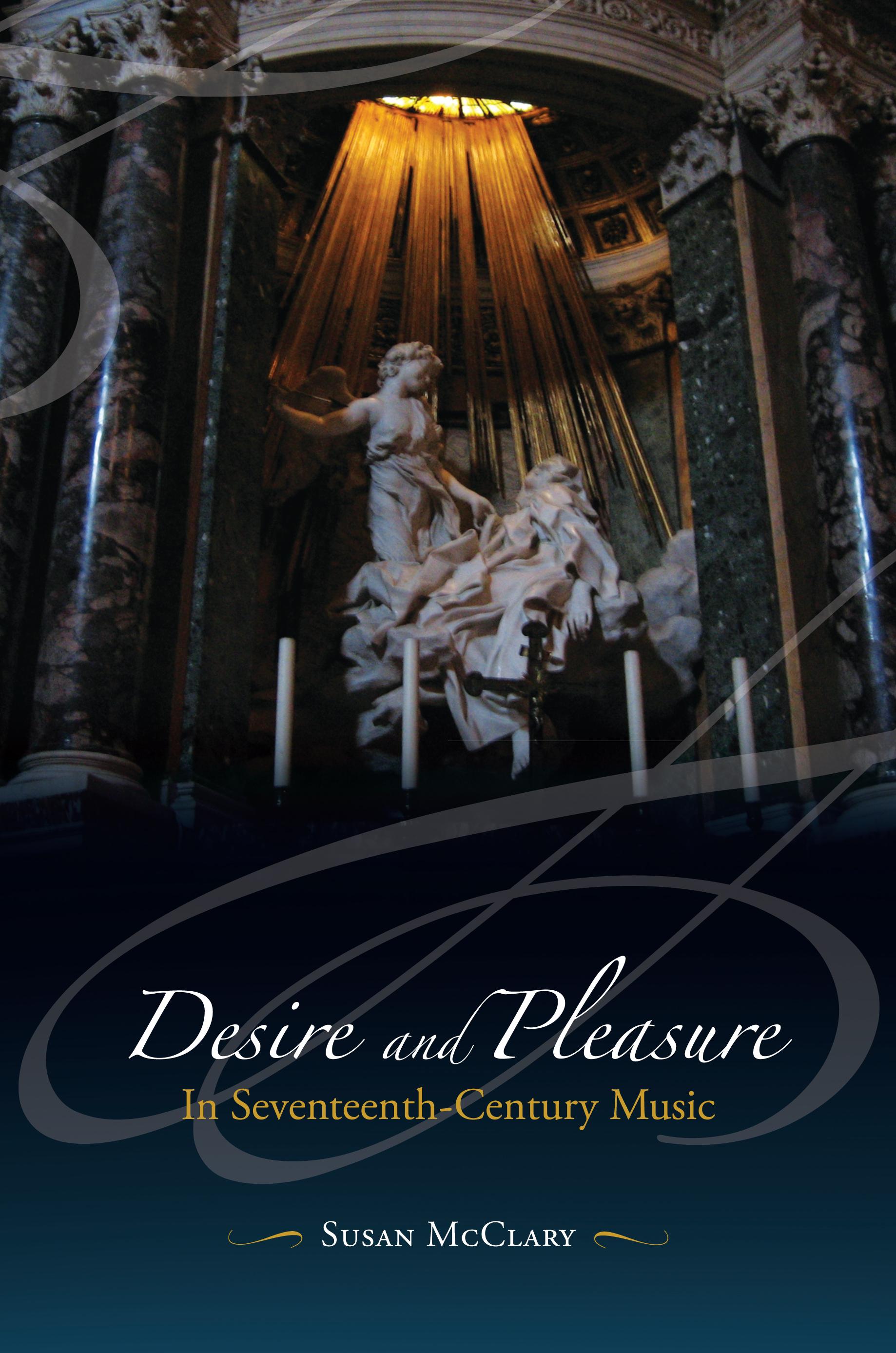
In this book, Susan McClary examines the mechanisms through which seventeenth-century musicians simulated extreme affective states—desire, divine rapture, and ecstatic pleasure. She demonstrates how every major genre of the period, from opera to religious music to instrumental pieces based on dances, was part of this striving for heightened passions by performers and listeners. While she analyzes the social and historical reasons for the high value placed on expressive intensity in both secular and sacred music, and she also links desire and pleasure to the many technical innovations of the period. McClary shows how musicians—whether working within the contexts of the Reformation or Counter-Reformation, Absolutists courts or commercial enterprises in Venice—were able to manipulate known procedures to produce radically new ways of experiencing time and the Self.
Paga fácilmente con tarjeta, Klarna, Apple Pay o Google Pay. ¿No estás contento? Siempre tienes 14 días de garantía de devolución. Lee más en nuestros términos. Si tienes preguntas, escríbenos a hello@memmo.org.
Memmo hace que estudiar sea más fácil, estés donde estés. Aquí tienes tus libros de texto y herramientas de estudio inteligentes en un solo lugar: resúmenes, quizzes, podcasts y flashcards. Y también a Ted, tu compañero de estudio que responde a todo lo que te preguntes. Más de 50 000 estudiantes ya estudian aquí. Está hecho para que aprendas más rápido y te estreses menos.
También te podría gustar
Comprar el libro0