
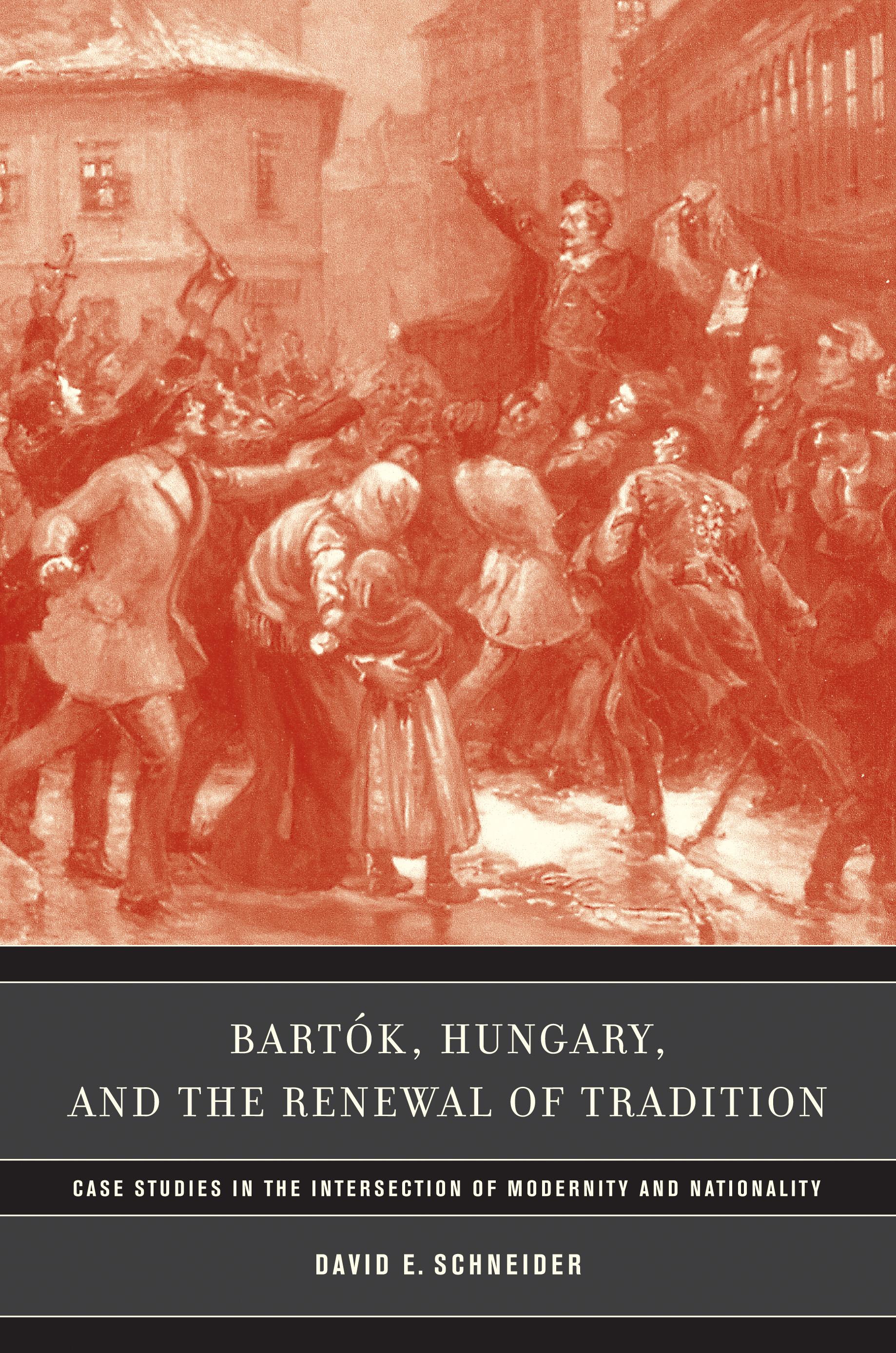
It is well known that Béla Bartók had an extraordinary ability to synthesize Western art music with the folk music of Eastern Europe. What this rich and beautifully written study makes clear is that, contrary to much prevailing thought about the great twentieth-century Hungarian composer, Bartók was also strongly influenced by the art-music traditions of his native country. Drawing from a wide array of material including contemporary reviews and little known Hungarian documents, David Schneider presents a new approach to Bartók that acknowledges the composer’s debt to a variety of Hungarian music traditions as well as to influential contemporaries such as Igor Stravinsky. Putting representative works from each decade beginning with Bartók’s graduation from the Music Academy in 1903 until his departure for the United States in 1940 under critical lens, Schneider reads the composer’s artistic output as both a continuation and a profound transformation of the very national tradition he repeatedly rejected in public. By clarifying why Bartók felt compelled to obscure his ties to the past and by illuminating what that past actually was, Schneider dispels myths about Bartók’s relationship to nineteenth-century traditions and at the same time provides a new perspective on the relationship between nationalism and modernism in early-twentieth century music.
Paga fácilmente con tarjeta, Klarna, Apple Pay o Google Pay. ¿No estás contento? Siempre tienes 14 días de garantía de devolución. Lee más en nuestros términos. Si tienes preguntas, escríbenos a hello@memmo.org.
Memmo hace que estudiar sea más fácil, estés donde estés. Aquí tienes tus libros de texto y herramientas de estudio inteligentes en un solo lugar: resúmenes, quizzes, podcasts y flashcards. Y también a Ted, tu compañero de estudio que responde a todo lo que te preguntes. Más de 50 000 estudiantes ya estudian aquí. Está hecho para que aprendas más rápido y te estreses menos.
También te podría gustar
Comprar el libro0