
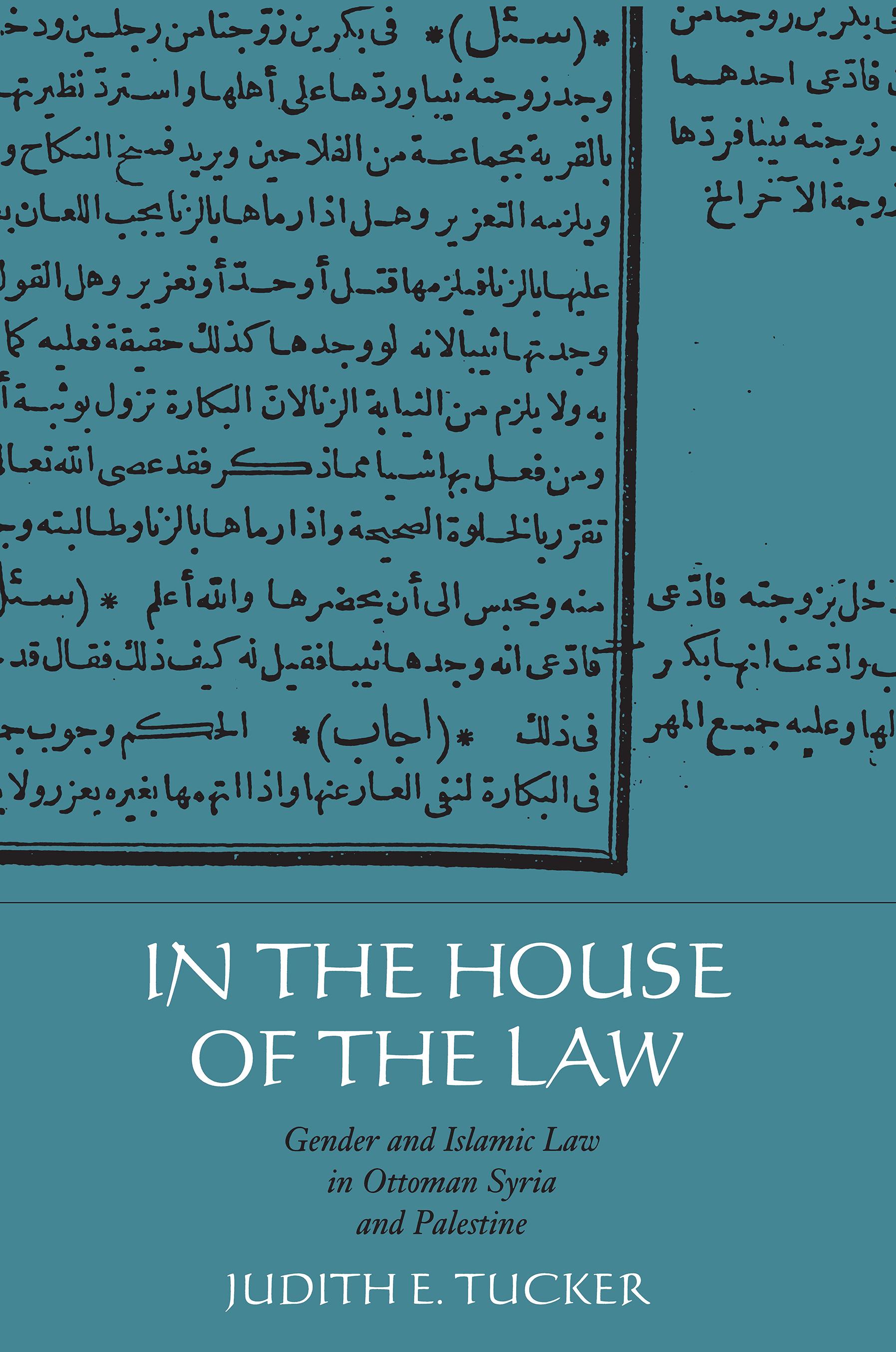
In an rewarding new study, Tucker explores the way in which Islamic legal thinkers understood Islam as it related to women and gender roles. In seventeenth and eighteenth century Syria and Palestine, Muslim legal thinkers gave considerable attention to women's roles in society, and Tucker shows how fatwas, or legal opinions, greatly influenced these roles. She challenges prevailing views on Islam and gender, revealing Islamic law to have been more fluid and flexible than previously thought. Although the legal system had a consistent patriarchal orientation, it was modulated by sensitivities to the practical needs of women, men, and children. In her comprehensive overview of a field long neglected by scholars, Tucker deepens our understanding of how societies, including our own, construct gender roles.
In an rewarding new study, Tucker explores the way in which Islamic legal thinkers understood Islam as it related to women and gender roles. In seventeenth and eighteenth century Syria and Palestine, Muslim legal thinkers gave considerable attention to wo
In an rewarding new study, Tucker explores the way in which Islamic legal thinkers understood Islam as it related to women and gender roles. In seventeenth and eighteenth century Syria and Palestine, Muslim legal thinkers gave considerable attention to wo
Paga fácilmente con tarjeta, Klarna, Apple Pay o Google Pay. ¿No estás contento? Siempre tienes 14 días de garantía de devolución. Lee más en nuestros términos. Si tienes preguntas, escríbenos a hello@memmo.org.
Memmo hace que estudiar sea más fácil, estés donde estés. Aquí tienes tus libros de texto y herramientas de estudio inteligentes en un solo lugar: resúmenes, quizzes, podcasts y flashcards. Y también a Ted, tu compañero de estudio que responde a todo lo que te preguntes. Más de 50 000 estudiantes ya estudian aquí. Está hecho para que aprendas más rápido y te estreses menos.
También te podría gustar
Comprar el libro0