
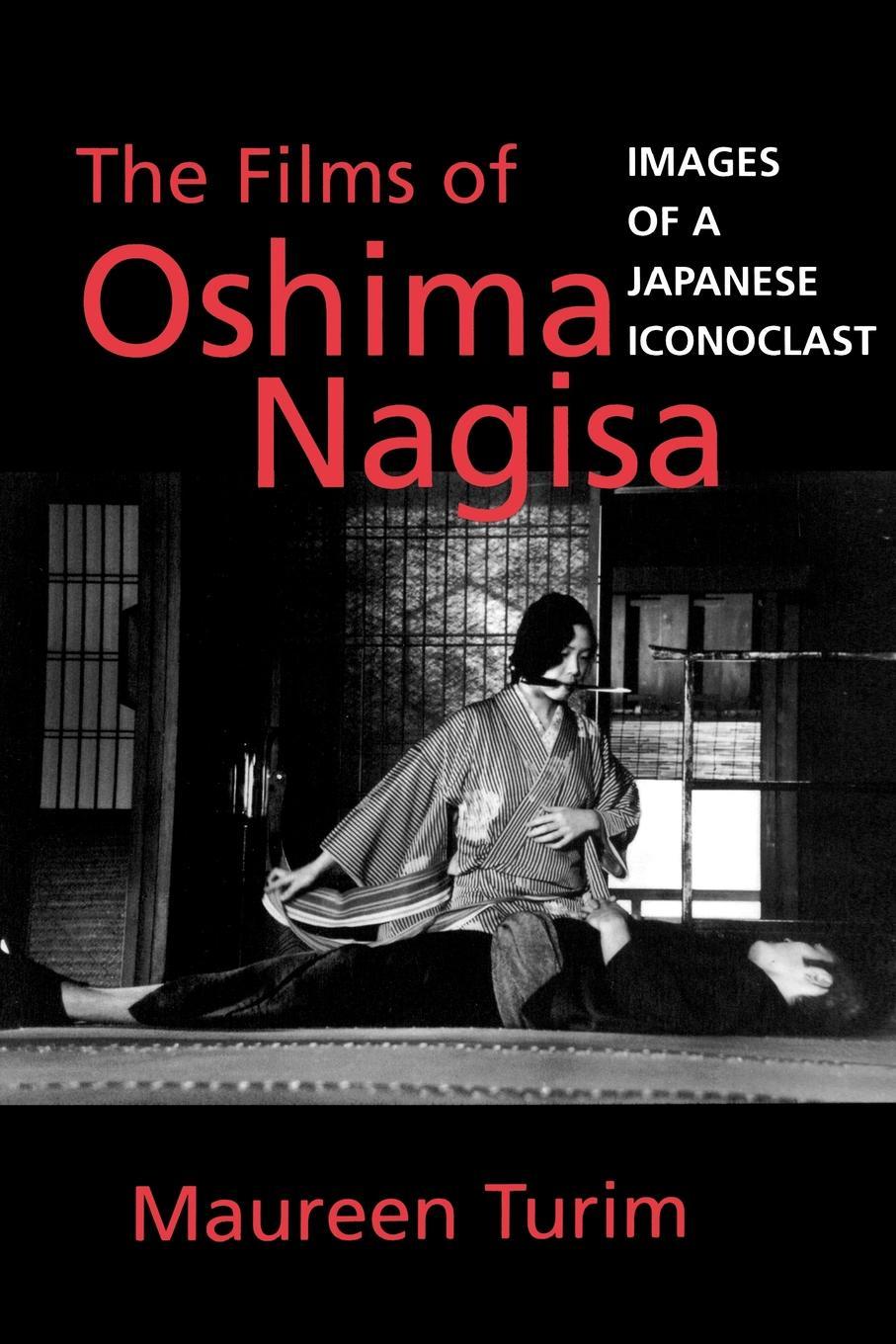
This study of the films of Oshima Nagisa is both an essential introduction to the work of a major postwar director of Japanese cinema and a theoretical exploration of strategies of filmic style. For almost forty years, Oshima has produced provocative films that have received wide distribution and international acclaim. Formally innovative as well as socially daring, they provide a running commentary, direct and indirect, on the cultural and political tensions of postwar Japan.
Best known today for his controversial films In the Realm of the Senses and The Empire of Passion, Oshima engages issues of sexuality and power, domination and identity, which Maureen Turim explores in relation to psychoanalytic and postmodern theory. The films' complex representation of women in Japanese society receives detailed and careful scrutiny, as does their political engagement with the Japanese student movement, postwar anti-American sentiments, and critiques of Stalinist tendencies of the Left. Turim also considers Oshima's surprising comedies, his experimentation with Brechtian and avant-garde theatricality as well as reflexive textuality, and his essayist documentaries in this look at an artist's gifted and vital attempt to put his will on film.
This study of the films of Oshima Nagisa is both an essential introduction to the work of a major postwar director of Japanese cinema and a theoretical exploration of strategies of filmic style. For almost forty years, Oshima has produced provocative film
Best known today for his controversial films In the Realm of the Senses and The Empire of Passion, Oshima engages issues of sexuality and power, domination and identity, which Maureen Turim explores in relation to psychoanalytic and postmodern theory. The films' complex representation of women in Japanese society receives detailed and careful scrutiny, as does their political engagement with the Japanese student movement, postwar anti-American sentiments, and critiques of Stalinist tendencies of the Left. Turim also considers Oshima's surprising comedies, his experimentation with Brechtian and avant-garde theatricality as well as reflexive textuality, and his essayist documentaries in this look at an artist's gifted and vital attempt to put his will on film.
This study of the films of Oshima Nagisa is both an essential introduction to the work of a major postwar director of Japanese cinema and a theoretical exploration of strategies of filmic style. For almost forty years, Oshima has produced provocative film
Paga fácilmente con tarjeta, Klarna, Apple Pay o Google Pay. ¿No estás contento? Siempre tienes 14 días de garantía de devolución. Lee más en nuestros términos. Si tienes preguntas, escríbenos a hello@memmo.org.
Memmo hace que estudiar sea más fácil, estés donde estés. Aquí tienes tus libros de texto y herramientas de estudio inteligentes en un solo lugar: resúmenes, quizzes, podcasts y flashcards. Y también a Ted, tu compañero de estudio que responde a todo lo que te preguntes. Más de 50 000 estudiantes ya estudian aquí. Está hecho para que aprendas más rápido y te estreses menos.
También te podría gustar
Comprar el libro0