
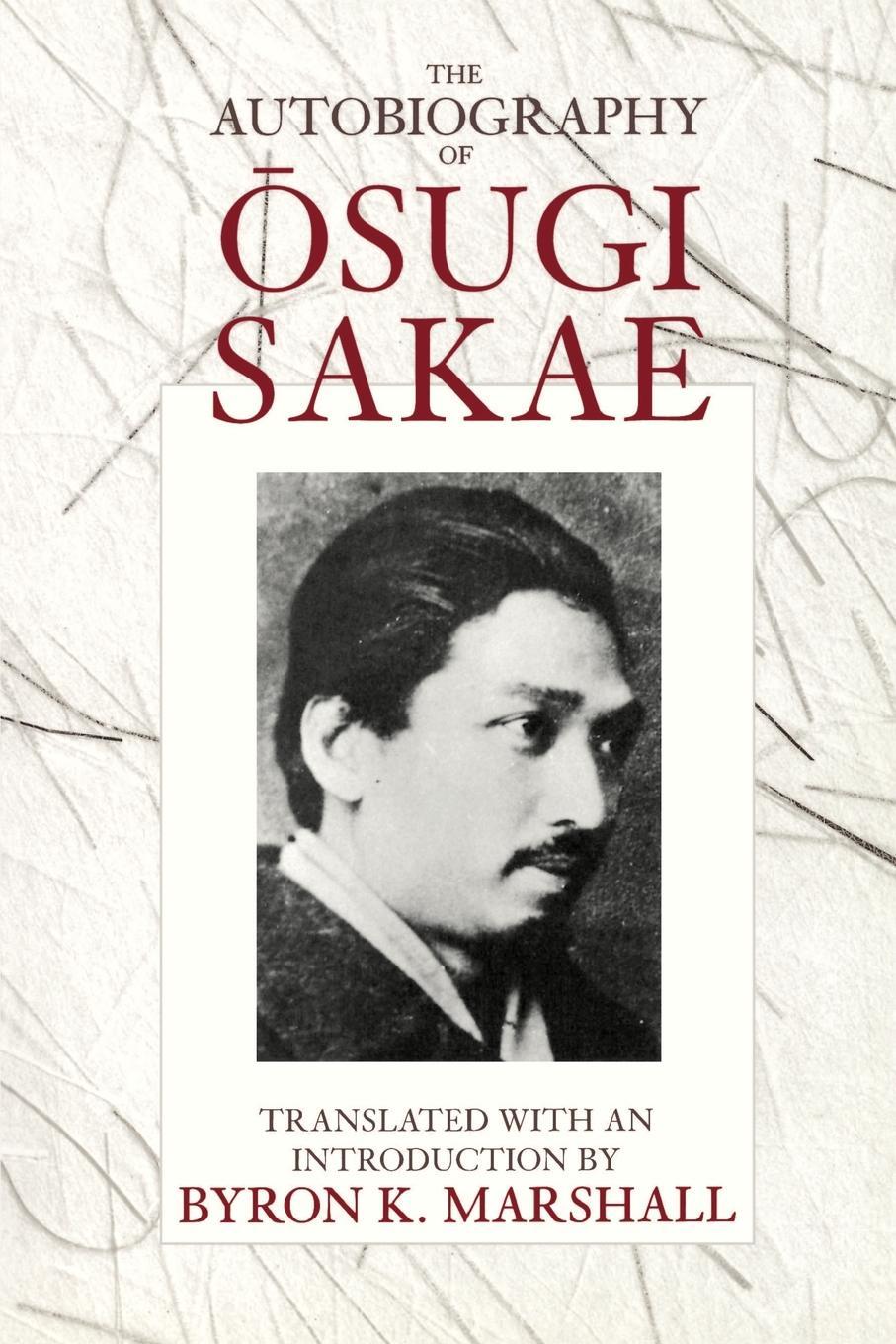
In the Japanese labor movement of the early twentieth century, no one captured the public imagination as vividly as Osugi Sakae (1885-1923): rebel, anarchist, and martyr. Flamboyant in life, dramatic in death, Osugi came to be seen as a romantic hero fighting the oppressiveness of family and society.
Osugi helped to create this public persona when he published his autobiography (Jijoden) in 1921-22. Now available in English for the first time, this work offers a rare glimpse into a Japanese boy's life at the time of the Sino-Japanese (1894-95) and the Russo-Japanese (1904-5) wars. It reveals the innocent—and not-so-innocent—escapades of children in a provincial garrison town and the brutalizing effects of discipline in military preparatory schools. Subsequent chapters follow Osugi to Tokyo, where he discovers the excitement of radical thought and politics.
Byron Marshall rounds out this picture of the early Osugi with a translation of his Prison Memoirs (Gokuchuki), originally published in 1919. This essay, one of the world's great pieces of prison writing, describes in precise detail the daily lives of Japanese prisoners, especially those incarcerated for political crimes.
In the Japanese labor movement of the early twentieth century, no one captured the public imagination as vividly as Osugi Sakae (1885-1923): rebel, anarchist, and martyr. Flamboyant in life, dramatic in death, Osugi came to be seen as a romantic hero figh
Osugi helped to create this public persona when he published his autobiography (Jijoden) in 1921-22. Now available in English for the first time, this work offers a rare glimpse into a Japanese boy's life at the time of the Sino-Japanese (1894-95) and the Russo-Japanese (1904-5) wars. It reveals the innocent—and not-so-innocent—escapades of children in a provincial garrison town and the brutalizing effects of discipline in military preparatory schools. Subsequent chapters follow Osugi to Tokyo, where he discovers the excitement of radical thought and politics.
Byron Marshall rounds out this picture of the early Osugi with a translation of his Prison Memoirs (Gokuchuki), originally published in 1919. This essay, one of the world's great pieces of prison writing, describes in precise detail the daily lives of Japanese prisoners, especially those incarcerated for political crimes.
In the Japanese labor movement of the early twentieth century, no one captured the public imagination as vividly as Osugi Sakae (1885-1923): rebel, anarchist, and martyr. Flamboyant in life, dramatic in death, Osugi came to be seen as a romantic hero figh
Páginas: 192
Categoría: Biografi & Memoarer
e-ISBN: 9780520912380
Peso de envío: 1.2 kg
Envío en: 1-2 días
Paga fácilmente con tarjeta, Klarna, Apple Pay o Google Pay. ¿No estás contento? Siempre tienes 14 días de garantía de devolución. Lee más en nuestros términos. Si tienes preguntas, escríbenos a hello@memmo.org.
Memmo hace que estudiar sea más fácil, estés donde estés. Aquí tienes tus libros de texto y herramientas de estudio inteligentes en un solo lugar: resúmenes, quizzes, podcasts y flashcards. Y también a Ted, tu compañero de estudio que responde a todo lo que te preguntes. Más de 50 000 estudiantes ya estudian aquí. Está hecho para que aprendas más rápido y te estreses menos.
También te podría gustar
Comprar el libro0