
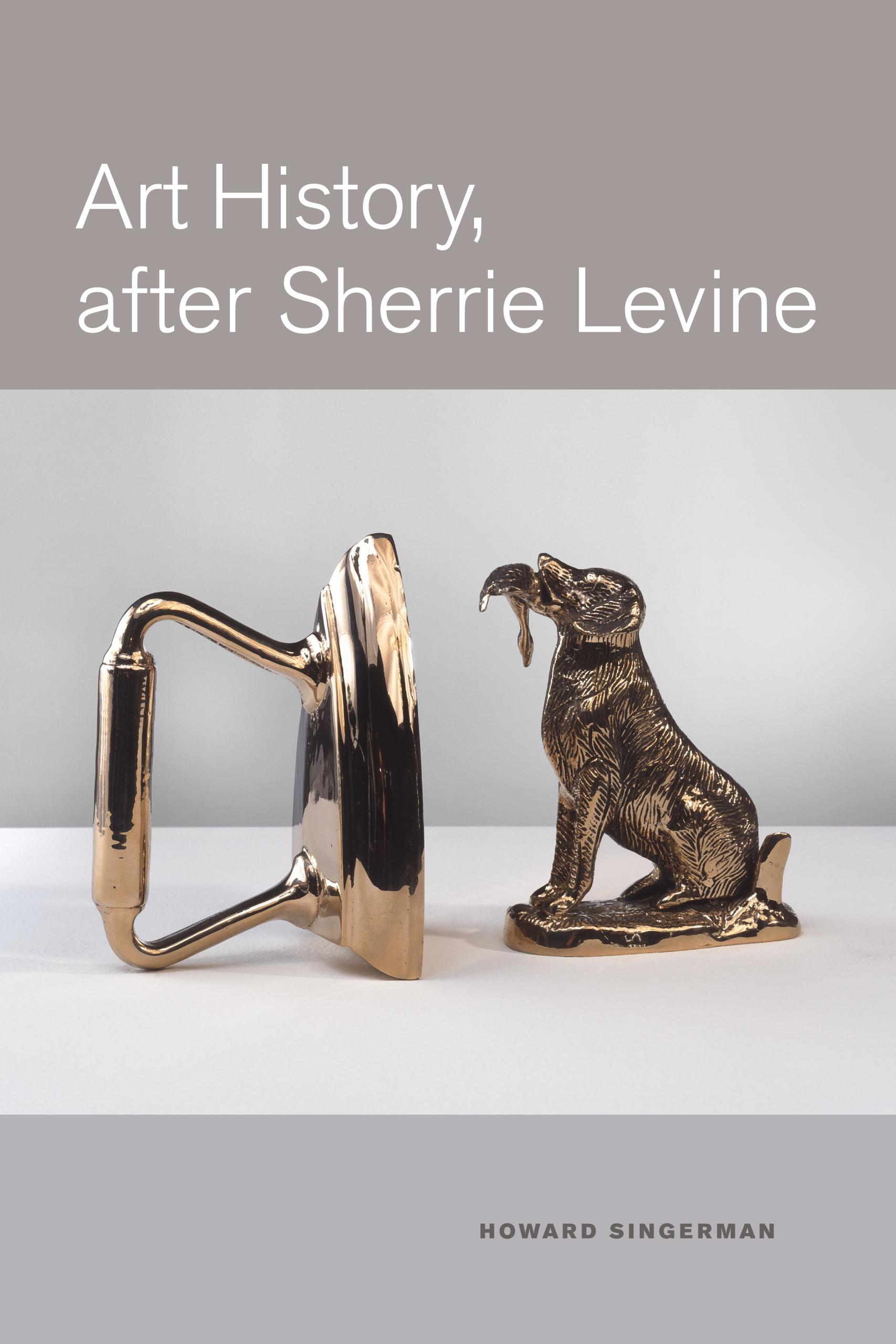
This book examines the career of New York-based artist Sherrie Levine, whose 1981 series of photographs "after Walker Evans"—taken not from life but from Evans’s famous depression-era documents of rural Alabama—became central examples in theorizing postmodernism in the visual arts in the 1980s. For the first in-depth examination of Levine, Howard Singerman surveys a wide variety of sources, both historical and theoretical, to assess an artist whose work was understood from the outset to challenge both the label "artist" and the idea of oeuvre—and who has over the past three decades crafted a significant oeuvre of her own. Singerman addresses Levine’s work after Evans, Brancusi, Malevich, and others as an experimental art historical practice—material reenactments of the way the work of art history is always doubled in and structured by language, and of the ways the art itself resists.
Paga fácilmente con tarjeta, Klarna, Apple Pay o Google Pay. ¿No estás contento? Siempre tienes 14 días de garantía de devolución. Lee más en nuestros términos. Si tienes preguntas, escríbenos a hello@memmo.org.
Memmo hace que estudiar sea más fácil, estés donde estés. Aquí tienes tus libros de texto y herramientas de estudio inteligentes en un solo lugar: resúmenes, quizzes, podcasts y flashcards. Y también a Ted, tu compañero de estudio que responde a todo lo que te preguntes. Más de 50 000 estudiantes ya estudian aquí. Está hecho para que aprendas más rápido y te estreses menos.
También te podría gustar
Comprar el libro0