
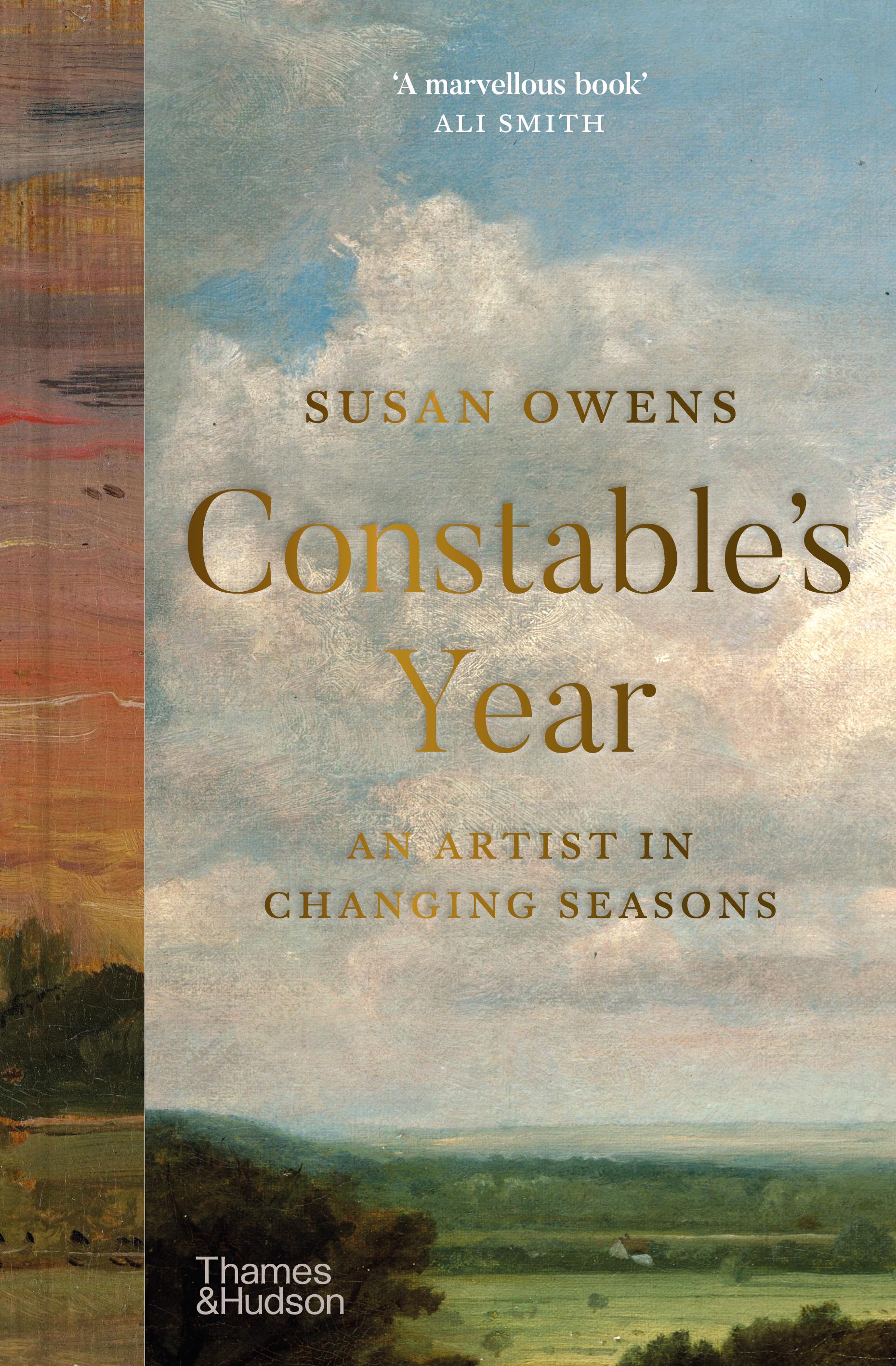
As exhilarating as a lungful of oxygen: that’s how some of his contemporaries felt about John Constable’s paintings. Others, though, were baffled by his uncompromisingly fresh and realistic treatment of the natural world. Susan Owens follows Constable through the seasons, tracing the rhythms and resonances of the artist’s year to offer a vivid, unconventional perspective on this beloved figure.
Whether in London in May, preparing pictures for exhibition and longing for the Suffolk spring, or painting boat-builders and waiting to be married in a particularly gloomy September, Constable’s life and work were unusually shaped by the yearly cycles of weather and agriculture, as well as by the often competing demands of the art world. Raised in Suffolk and trained to manage his father's land, his rural background had an enduring impact on his painting. His was the approach of one who knew the laneways, ploughs and millponds he painted intimately, and who understood the countryside as a place of both labour and natural phenomena.
Though today he is often considered a traditional artist, in truth John Constable was a radical. His sketchbooks and paintings reject second-hand, slip-shod versions of nature, instead subjecting the land, its people and industry to intense scrutiny; developing a new kind of painting to fit the landscape he saw with his farmer’s eye and felt beneath the soles of his boots.
Whether in London in May, preparing pictures for exhibition and longing for the Suffolk spring, or painting boat-builders and waiting to be married in a particularly gloomy September, Constable’s life and work were unusually shaped by the yearly cycles of weather and agriculture, as well as by the often competing demands of the art world. Raised in Suffolk and trained to manage his father's land, his rural background had an enduring impact on his painting. His was the approach of one who knew the laneways, ploughs and millponds he painted intimately, and who understood the countryside as a place of both labour and natural phenomena.
Though today he is often considered a traditional artist, in truth John Constable was a radical. His sketchbooks and paintings reject second-hand, slip-shod versions of nature, instead subjecting the land, its people and industry to intense scrutiny; developing a new kind of painting to fit the landscape he saw with his farmer’s eye and felt beneath the soles of his boots.
Paga fácilmente con tarjeta, Klarna, Apple Pay o Google Pay. ¿No estás contento? Siempre tienes 14 días de garantía de devolución. Lee más en nuestros términos. Si tienes preguntas, escríbenos a hello@memmo.org.
Memmo hace que estudiar sea más fácil, estés donde estés. Aquí tienes tus libros de texto y herramientas de estudio inteligentes en un solo lugar: resúmenes, quizzes, podcasts y flashcards. Y también a Ted, tu compañero de estudio que responde a todo lo que te preguntes. Más de 50 000 estudiantes ya estudian aquí. Está hecho para que aprendas más rápido y te estreses menos.
También te podría gustar
Comprar el libro0