
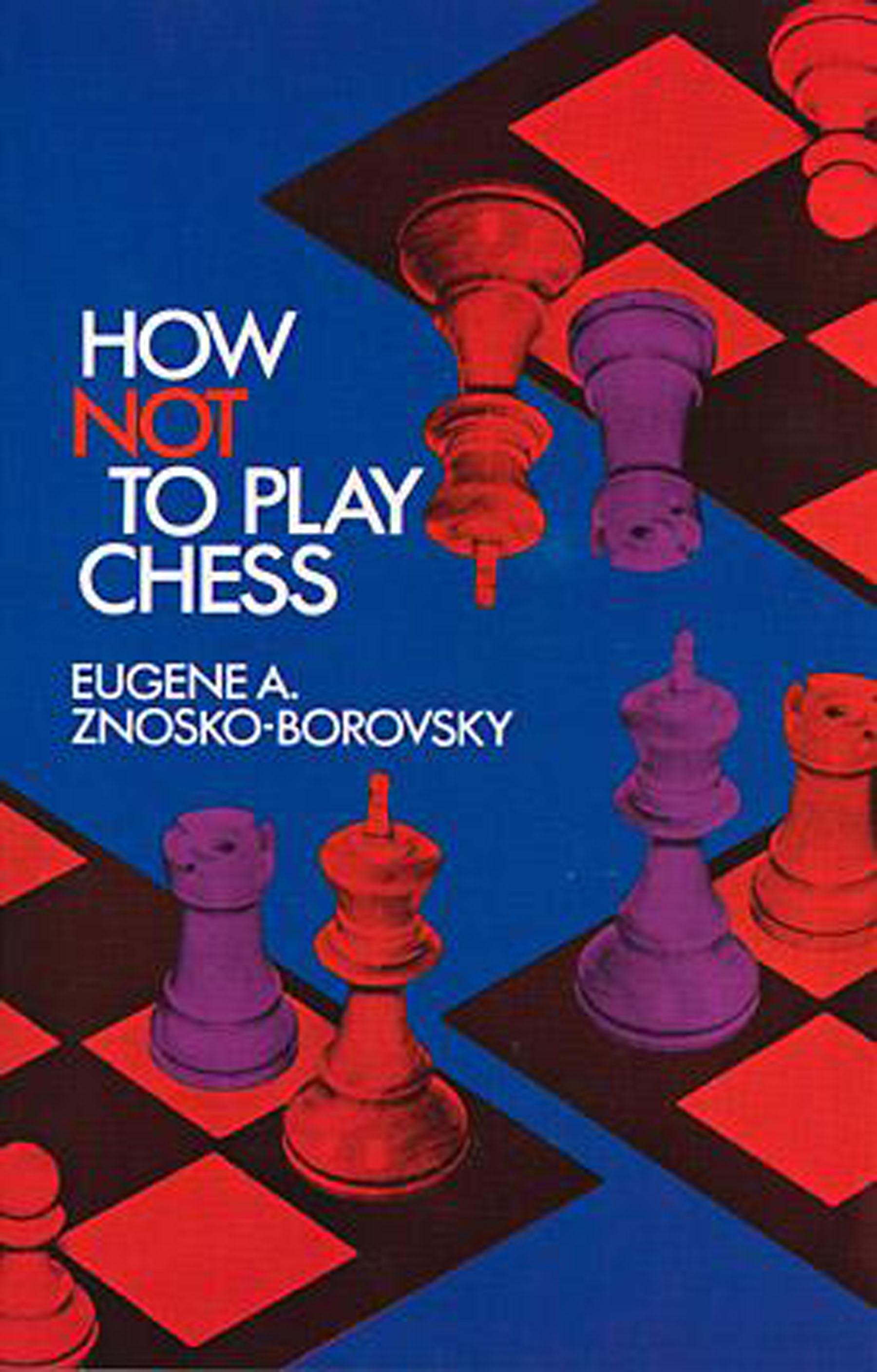
Beginners and even fairly advanced players agree on one thing: analyzing the strength or weakness of a position (material being equal) is the hardest part of chess to learn. It is also one of the hardest elements to teach, and there are some who claim it is unteachable. But this wonderfully lucid book, written by one of the outstanding chess expositors of the twentieth century, presents the basis of analysis in such a disarmingly simple way that even the most casual player will be able to improve his game immensely.
Sticking to a few well-chosen examples and explaining every step along the way, the author shows you how to avoid playing a hit-or-miss game, from move to move, and instead develop general plans of action based on positional analysis: weak and strong squares, the notion of controlling a square, how to seize control of open lines, weak points in the pawn structure, and other aspects of analysis.
He includes as well a number of tips (not often found in books for beginners and average players) that the reader would do well to commit to memory: such hints as “Never omit to blockade an enemy passed pawn,” and “Do not be content with attacking an existing weakness; always seek to create others.” Throughout the book he defines and illustrates typical chess mistakes, and anyone reading his book carefully will learn in a few hours what he might otherwise have spent years to attain. For this revised edition, the author added 20 problems from master games on which the reader can test his understanding of the principles found in the text.
Sticking to a few well-chosen examples and explaining every step along the way, the author shows you how to avoid playing a hit-or-miss game, from move to move, and instead develop general plans of action based on positional analysis: weak and strong squares, the notion of controlling a square, how to seize control of open lines, weak points in the pawn structure, and other aspects of analysis.
He includes as well a number of tips (not often found in books for beginners and average players) that the reader would do well to commit to memory: such hints as “Never omit to blockade an enemy passed pawn,” and “Do not be content with attacking an existing weakness; always seek to create others.” Throughout the book he defines and illustrates typical chess mistakes, and anyone reading his book carefully will learn in a few hours what he might otherwise have spent years to attain. For this revised edition, the author added 20 problems from master games on which the reader can test his understanding of the principles found in the text.
Paga fácilmente con tarjeta, Klarna, Apple Pay o Google Pay. ¿No estás contento? Siempre tienes 14 días de garantía de devolución. Lee más en nuestros términos. Si tienes preguntas, escríbenos a hello@memmo.org.
Memmo hace que estudiar sea más fácil, estés donde estés. Aquí tienes tus libros de texto y herramientas de estudio inteligentes en un solo lugar: resúmenes, quizzes, podcasts y flashcards. Y también a Ted, tu compañero de estudio que responde a todo lo que te preguntes. Más de 50 000 estudiantes ya estudian aquí. Está hecho para que aprendas más rápido y te estreses menos.
También te podría gustar
Comprar el libro0