
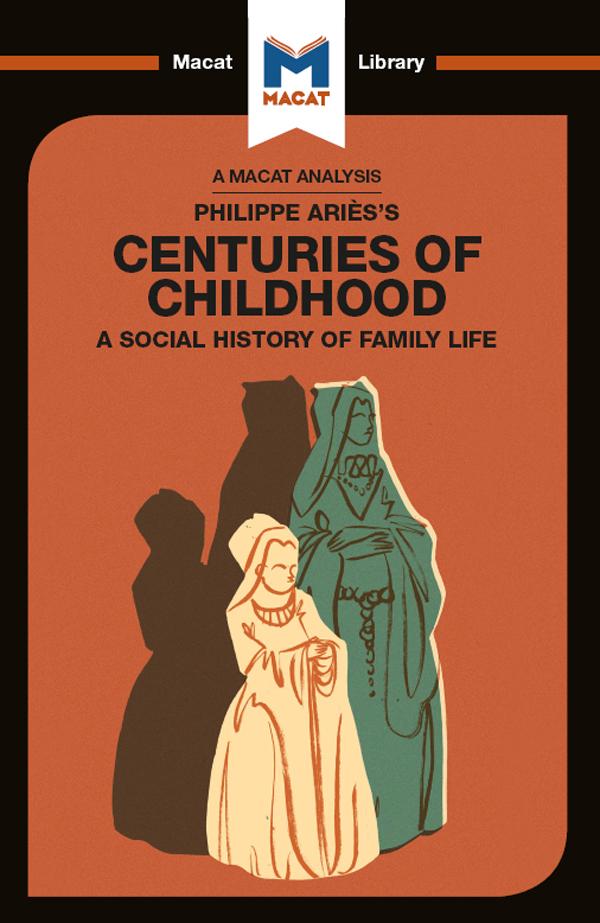
A critical analysis of Centuries of Childhood, in which the French historian Philippe Aries offers a fundamentally fresh interpretation of what childhood is and what the institution means for society at large. Aries's core idea is that ‘childhood,’ as we understand it today – a special time that requires special efforts and resources – is an invention of the 19th century, and that before that date children were in effect thought of as small adults. This led him to a re-evaluation of sources that suggested a second, crucial, conclusion: the idea that these competing visions of childhood were the products of two very different conceptions of human society.
An earlier, essentially communal, social ideal, Aries wrote, had been supplanted by a society far more family-centric and hence inward-facing. In his view, moreover, this increased focus on childhood posed a direct challenge to a well-entrenched social order. ‘One is tempted to conclude,’ he wrote, ‘that sociability and the concept of the family were incompatible, and could develop only at each other's expense.’
This revolutionary thesis, which has inspired and infuriated other historians in roughly equal measure, was made possible by Aries's determination to understand the meaning of the evidence available to him and highlight problems of definition that others had simply glossed over, making Centuries of Childhood an important example of the critical thinking skill of interpretation.
Paga fácilmente con tarjeta, Klarna, Apple Pay o Google Pay. ¿No estás contento? Siempre tienes 14 días de garantía de devolución. Lee más en nuestros términos. Si tienes preguntas, escríbenos a hello@memmo.org.
Memmo hace que estudiar sea más fácil, estés donde estés. Aquí tienes tus libros de texto y herramientas de estudio inteligentes en un solo lugar: resúmenes, quizzes, podcasts y flashcards. Y también a Ted, tu compañero de estudio que responde a todo lo que te preguntes. Más de 50 000 estudiantes ya estudian aquí. Está hecho para que aprendas más rápido y te estreses menos.