
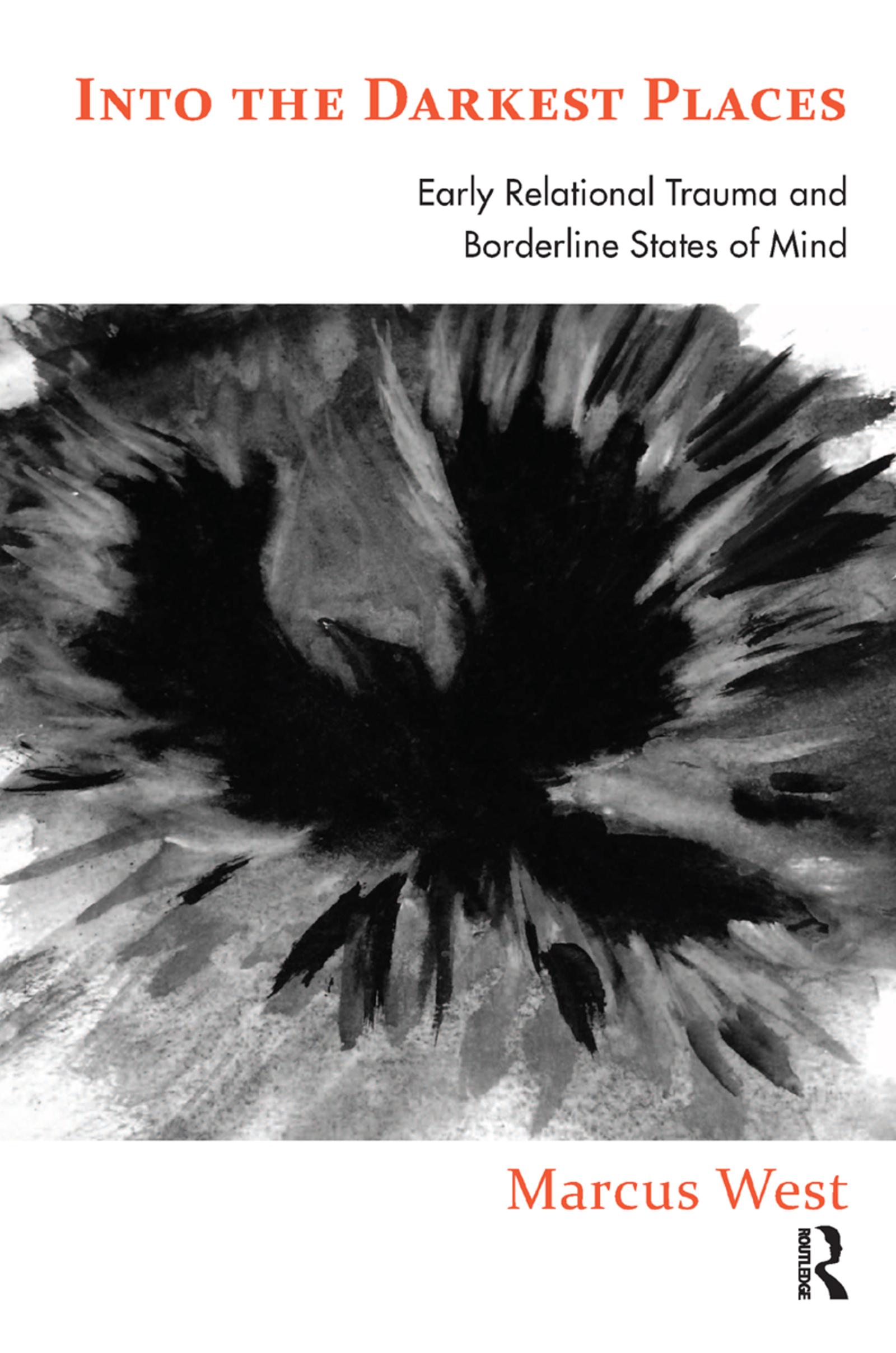
This book explores the roots of borderline states of mind in early relational trauma and shows how it is possible, and necessary, to visit 'the darkest places' in order to work through these traumas. This is despite the fact that re-experiencing such traumas is unbearable for the patient and they naturally want to enlist the analyst in ensuring that they will never be experienced again. This is the backdrop for the extreme pressures and roles that are constellated in the analysis that can lead to impasse or breakdown of the analytic relationship. The author explores how these areas can be negotiated safely and that, whilst drawing heavily on recent developments in attachment, relational, trauma and infant development theory, an analytic attitude needs to be maintained in order to integrate these experiences and allow the individual to feel, finally, accepted and whole. The book builds on Freud's views of repetition compulsion and re-enactment and develops Jung's concept of the traumatic complex.
Paga fácilmente con tarjeta, Klarna, Apple Pay o Google Pay. ¿No estás contento? Siempre tienes 14 días de garantía de devolución. Lee más en nuestros términos. Si tienes preguntas, escríbenos a hello@memmo.org.
Memmo hace que estudiar sea más fácil, estés donde estés. Aquí tienes tus libros de texto y herramientas de estudio inteligentes en un solo lugar: resúmenes, quizzes, podcasts y flashcards. Y también a Ted, tu compañero de estudio que responde a todo lo que te preguntes. Más de 50 000 estudiantes ya estudian aquí. Está hecho para que aprendas más rápido y te estreses menos.
También te podría gustar
Comprar el libro0