
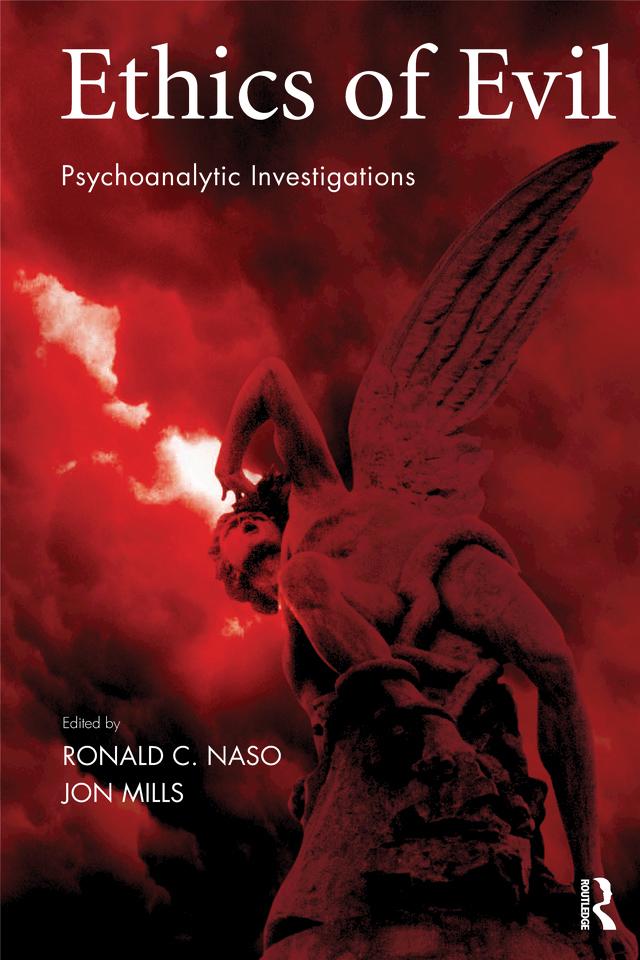
In today's world where every form of transgression enjoys a psychological motive and rational justification, psychoanalysis stands alone in its ability to uncover the hidden motives that inform individual and social collective behaviour. Both in theory and practice, it bears witness to the impact of anonymity on the potential for perpetration, especially when others are experienced as faceless, disposable objects whose otherness is, at bottom, but a projection, displacement, and denial of our own interiority-in short, the evil within. In keeping with this perspective, Ethics of Evil rejects facile rationalizations of violence; it also rejects the idea that evil, as a concept, is inscrutable or animated by demonic forces. Instead, it evaluates the moral framework in which evil is situated, providing a descriptive understanding of it as a plurality and a depth psychological perspective on the threat it poses for our well-being and ways of life. In so doing, it also fashions and articulates an ethical stance that recognizes the intrinsic link between human freedom and the potential for evil.
Paga fácilmente con tarjeta, Klarna, Apple Pay o Google Pay. ¿No estás contento? Siempre tienes 14 días de garantía de devolución. Lee más en nuestros términos. Si tienes preguntas, escríbenos a hello@memmo.org.
Memmo hace que estudiar sea más fácil, estés donde estés. Aquí tienes tus libros de texto y herramientas de estudio inteligentes en un solo lugar: resúmenes, quizzes, podcasts y flashcards. Y también a Ted, tu compañero de estudio que responde a todo lo que te preguntes. Más de 50 000 estudiantes ya estudian aquí. Está hecho para que aprendas más rápido y te estreses menos.