
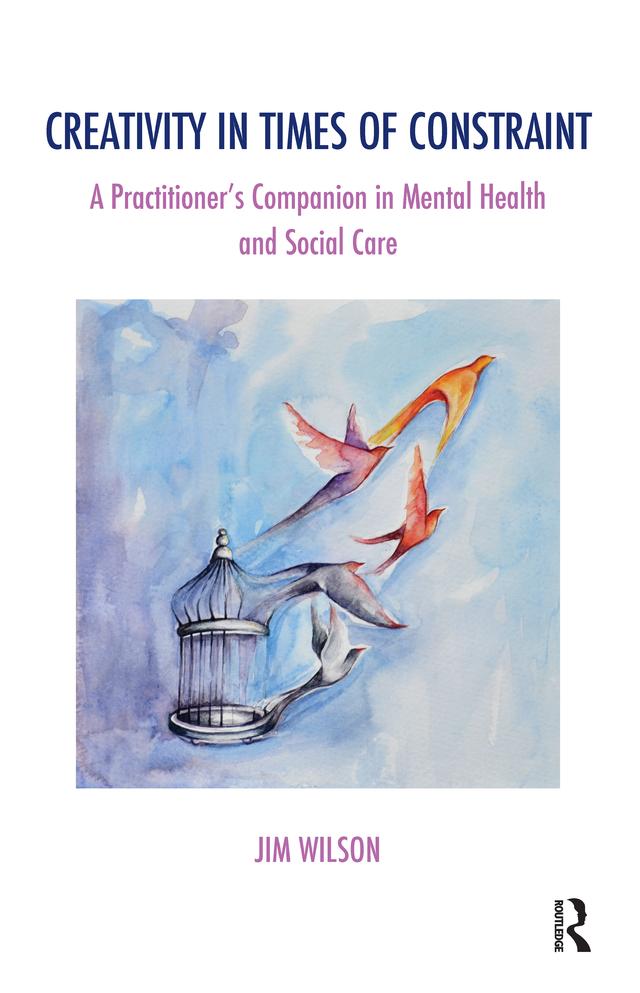
Contemporary practices in mental health (and social care) are increasingly characterized by approaches that overly simplify social, political, and psychological concerns. The persistence and ubiquity of models designated to tackle diagnoses through focused technologies serve to minimize the human encounter in all its relational and systemic complexity. Practice becomes a technological activity instead of one concerned with the unique creative potential in meeting with others in therapy. With the growth of privatized mental health services, many practitioners are facing a plethora of "Must Do's" that focus on measurable outcomes, with clear goals and cost effective treatments. Yet, in practice, such apparent clarity of purpose often leads to bureaucratic clutter and risk aversion instead of clearing the decks for creativity. The focus of this book is how the practitioner or therapist can navigate around current practices in order to avoid falling into the rapids of quick fix solutions, whilst staying afloat to find realistic outcomes to human dilemmas that are brought to us.
Paga fácilmente con tarjeta, Klarna, Apple Pay o Google Pay. ¿No estás contento? Siempre tienes 14 días de garantía de devolución. Lee más en nuestros términos. Si tienes preguntas, escríbenos a hello@memmo.org.
Memmo hace que estudiar sea más fácil, estés donde estés. Aquí tienes tus libros de texto y herramientas de estudio inteligentes en un solo lugar: resúmenes, quizzes, podcasts y flashcards. Y también a Ted, tu compañero de estudio que responde a todo lo que te preguntes. Más de 50 000 estudiantes ya estudian aquí. Está hecho para que aprendas más rápido y te estreses menos.
También te podría gustar
Comprar el libro0