
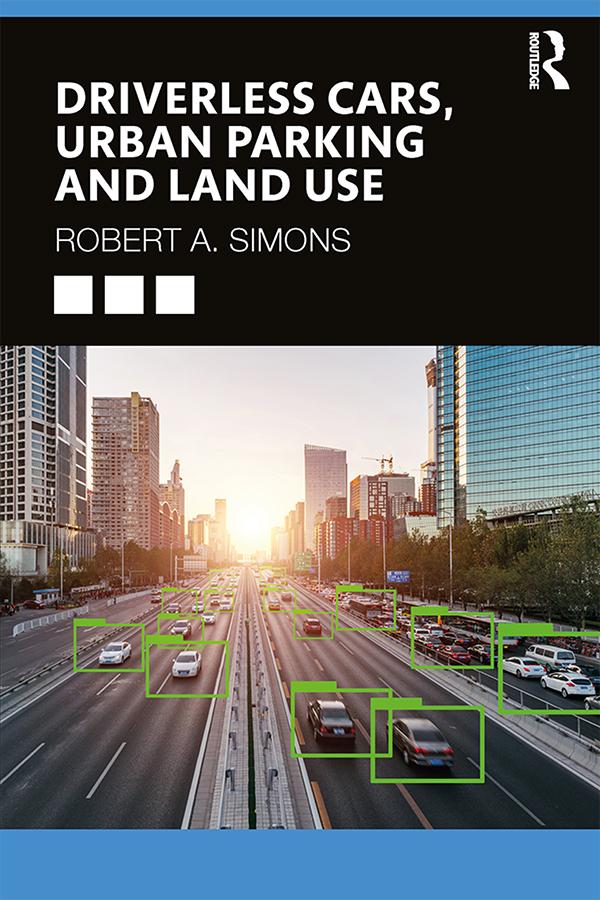
The subject of driverless and even ownerless cars has the potential to be the most disruptive technology for real estate, land use, and parking since the invention of the elevator. This book includes new research and economic analysis, plus a thorough review of the current literature to pose and attempt to answer a number of important questions about the effect that driverless vehicles may have on land use in the United States, especially on parking. Simons outlines the history of disruptive technologies in transport and real estate before examining how the predicted changes brought in by the adoption of driverless technologies and decline in car ownership will affect our urban areas. What could we do with all the parking areas in our cities and our homes and institutional buildings that may no longer be required? Can they be sustainably repurposed? Will self-driving cars become like horses, used only by hobbyists for recreation and sport?
While the focus is on parking, the book also contains the views of real estate economists, architects, and policymakers and is essential reading for real estate developers and investors, transport economists, planners, politicians, and policymakers who need to consider the implications of a future with more driverless vehicles. Fasten your seat belt: like it or not, driverless cars will begin to change the way we move about our cities within ten years.
Paga fácilmente con tarjeta, Klarna, Apple Pay o Google Pay. ¿No estás contento? Siempre tienes 14 días de garantía de devolución. Lee más en nuestros términos. Si tienes preguntas, escríbenos a hello@memmo.org.
Memmo hace que estudiar sea más fácil, estés donde estés. Aquí tienes tus libros de texto y herramientas de estudio inteligentes en un solo lugar: resúmenes, quizzes, podcasts y flashcards. Y también a Ted, tu compañero de estudio que responde a todo lo que te preguntes. Más de 50 000 estudiantes ya estudian aquí. Está hecho para que aprendas más rápido y te estreses menos.