
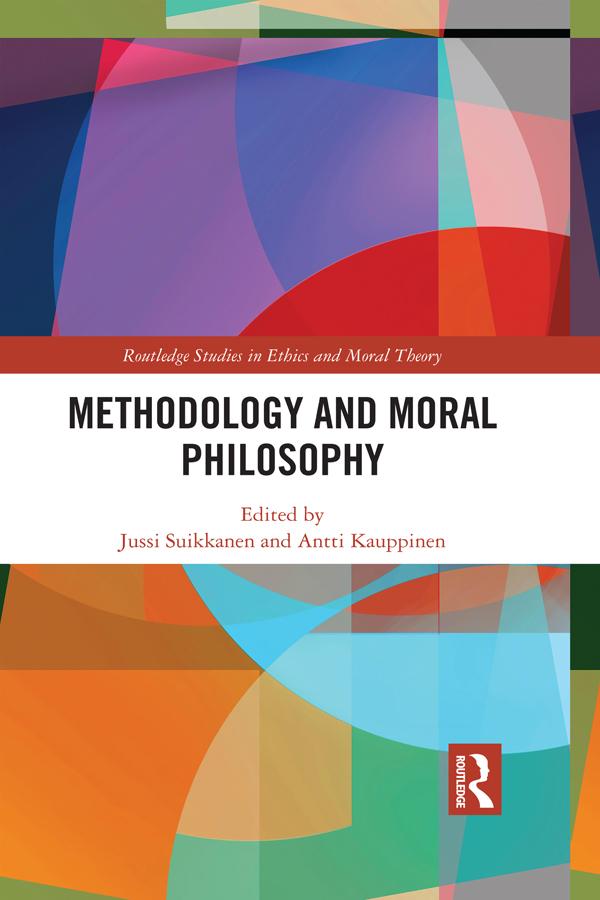
Many ethicists either accept the reflective equilibrium method or think that anything goes in ethical theorizing as long as the results are plausible. The aim of this book is to advance methodological thinking in ethics beyond these common attitudes and to raise new methodological questions about how moral philosophy should be done.
What are we entitled to assume as the starting-point of our ethical inquiry? What is the role of empirical sciences in ethics? Is there just one general method for doing moral philosophy or should different questions in moral philosophy be answered in different ways? Are there argumentative structures and strategies that we should be encouraged to use or typical argumentative patterns that we should avoid?
This volume brings together leading moral philosophers to consider these questions. The chapters investigate the prospects of empirical ethics, outline new methods of ethics, evaluate recent methodological advances, and explore whether different areas of moral philosophy are methodologically continuous or independent of one another. The aim of Methodology and Moral Philosophy is to make moral philosophers more self-aware and reflective of the way in which they do moral philosophy and also to encourage them to take part in methodological debates.
Paga fácilmente con tarjeta, Klarna, Apple Pay o Google Pay. ¿No estás contento? Siempre tienes 14 días de garantía de devolución. Lee más en nuestros términos. Si tienes preguntas, escríbenos a hello@memmo.org.
Memmo hace que estudiar sea más fácil, estés donde estés. Aquí tienes tus libros de texto y herramientas de estudio inteligentes en un solo lugar: resúmenes, quizzes, podcasts y flashcards. Y también a Ted, tu compañero de estudio que responde a todo lo que te preguntes. Más de 50 000 estudiantes ya estudian aquí. Está hecho para que aprendas más rápido y te estreses menos.