
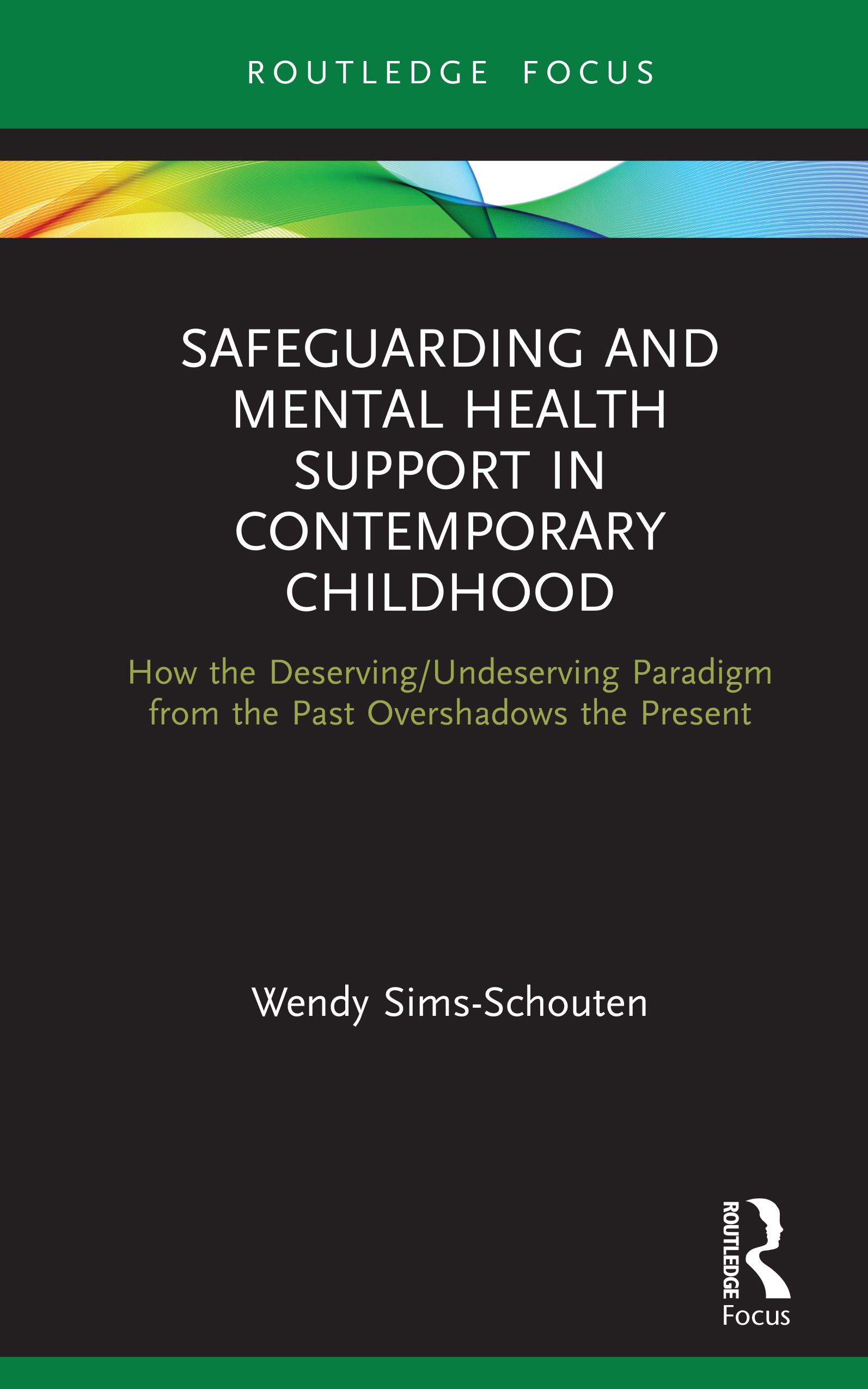
Approaches regarding safeguarding and mental health in childhood have been in constant flux. Framed within a critical realist ontology, this book provides insight into causal factors (individual, material, institutional) and social structures that impact on the continued legacy of the ‘deserving/undeserving' paradigm.
Drawing on historical data from children taken into care by the Waifs and Strays Society (1881–1918) and contemporary data from interviews with young care leavers and safeguarding practitioners/professionals, this book shows how at present and in the past, certain children and families miss(ed) out on support and interventions due to complex needs, financial cuts and ever-changing thresholds. It is the group of children referred to as ‘victims’, a term used for the most disadvantaged children who have spent time in care, have complex mental health needs and have had the most damaging pre-care family experiences, who are the focus of this book. This book shows that in an attempt to provide services where there are ever increasing thresholds for access and cuts to resources, a resurgence of the ‘deserving/undeserving’ paradigm reflects a contemporary justification regarding who is 'entitled' to help and who is not.
This book will be of interest to all scholars and students of social work, social policy, childhood studies, sociology and education policy.
Paga fácilmente con tarjeta, Klarna, Apple Pay o Google Pay. ¿No estás contento? Siempre tienes 14 días de garantía de devolución. Lee más en nuestros términos. Si tienes preguntas, escríbenos a hello@memmo.org.
Memmo hace que estudiar sea más fácil, estés donde estés. Aquí tienes tus libros de texto y herramientas de estudio inteligentes en un solo lugar: resúmenes, quizzes, podcasts y flashcards. Y también a Ted, tu compañero de estudio que responde a todo lo que te preguntes. Más de 50 000 estudiantes ya estudian aquí. Está hecho para que aprendas más rápido y te estreses menos.