
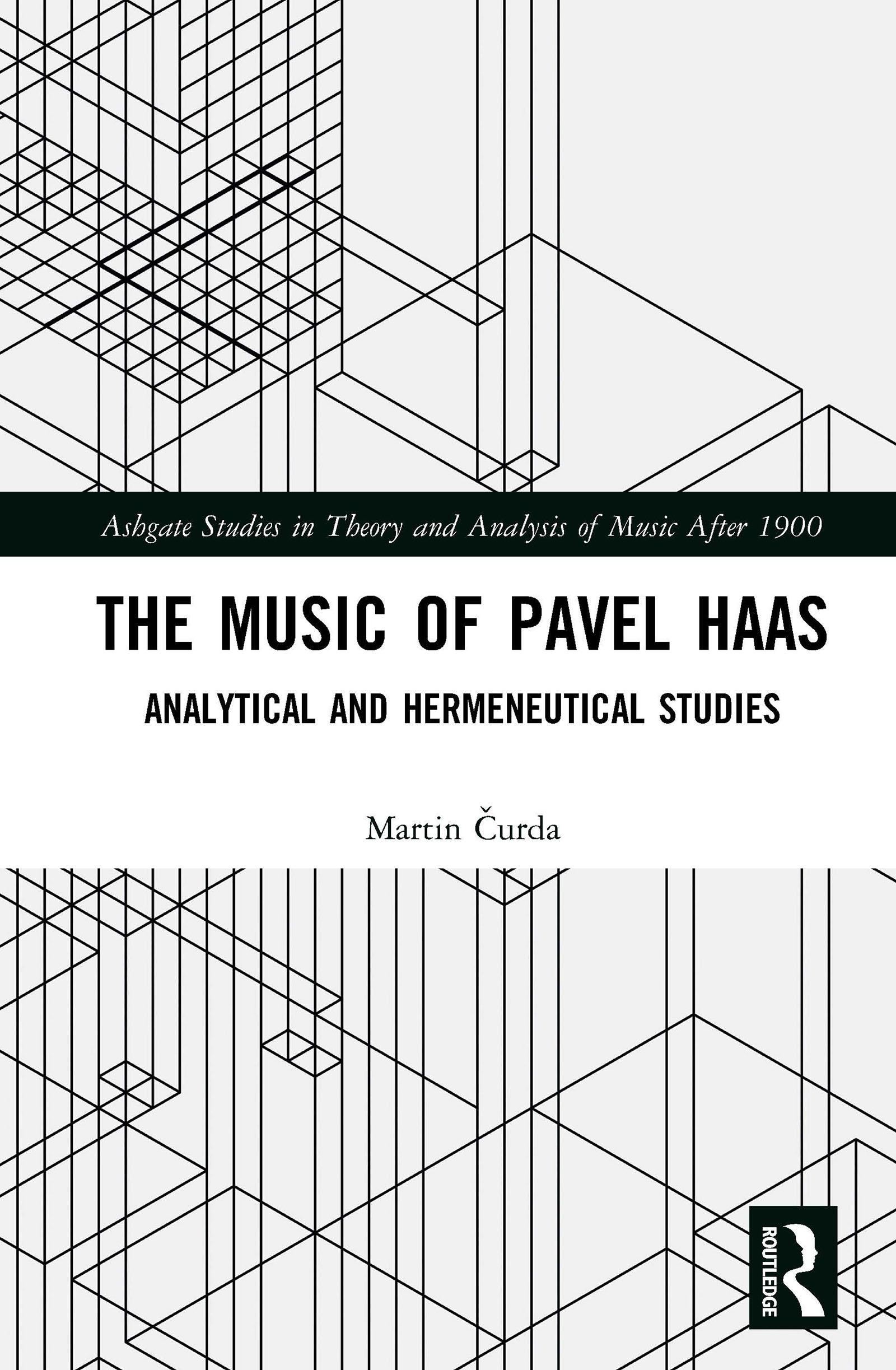
The Czech composer Pavel Haas (1899–1944) is commonly positioned in the history of twentieth-century music as a representative of Leoš Janáček’s compositional school and as one of the Jewish composers imprisoned by the Nazis in the concentration camp of Terezín (Theresienstadt). However, the nature of Janáček’s influence remains largely unexplained and the focus on the context of the Holocaust tends to yield a one-sided view of Haas’s oeuvre. The existing scholarship offers limited insight into Haas’s compositional idiom and does not sufficiently explain the composer’s position with respect to broader aesthetic trends and artistic networks in inter-war Czechoslovakia and beyond. This book is the first attempt to provide a comprehensive (albeit necessarily selective) discussion of Haas’s music since the publication of Lubomír Peduzzi’s ‘life and work’ monograph in 1993. It provides the reader with an enhanced understanding of Haas’s music through analytical and hermeneutical interpretation as well as cultural and aesthetic contextualisation, and thus reveal the rich nuances of Haas’s multi-faceted work which have not been sufficiently recognised so far.
Paga fácilmente con tarjeta, Klarna, Apple Pay o Google Pay. ¿No estás contento? Siempre tienes 14 días de garantía de devolución. Lee más en nuestros términos. Si tienes preguntas, escríbenos a hello@memmo.org.
Memmo hace que estudiar sea más fácil, estés donde estés. Aquí tienes tus libros de texto y herramientas de estudio inteligentes en un solo lugar: resúmenes, quizzes, podcasts y flashcards. Y también a Ted, tu compañero de estudio que responde a todo lo que te preguntes. Más de 50 000 estudiantes ya estudian aquí. Está hecho para que aprendas más rápido y te estreses menos.