
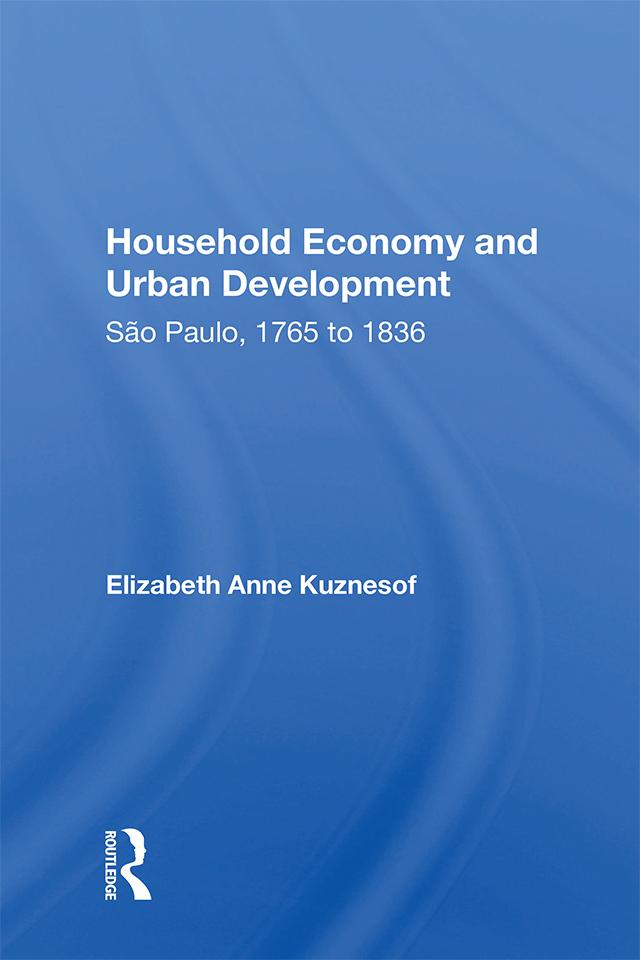
Between 1765 and 1836 the household economy of São Paulo was transformed from a subsistence to a market-oriented economy. This transformation was paralleled by dramatic changes within society, existing kinship systems, and the organization of the household. The author suggests that this fundamental change in the mode of production was intentional, engineered by an interested elite of merchants and plantation owners who utilized local government bodies to promote the construction of centralized markets, roads, warehouses, and port facilities. The same group sponsored changes in local administration and land law in order to increase and control the resultant commerce in sugar and coffee. This book, based on household-level census data, looks at economic development at the micro level and analyzes how the change took place at a juncture in history when prior options seemed to disappear.
Paga fácilmente con tarjeta, Klarna, Apple Pay o Google Pay. ¿No estás contento? Siempre tienes 14 días de garantía de devolución. Lee más en nuestros términos. Si tienes preguntas, escríbenos a hello@memmo.org.
Memmo hace que estudiar sea más fácil, estés donde estés. Aquí tienes tus libros de texto y herramientas de estudio inteligentes en un solo lugar: resúmenes, quizzes, podcasts y flashcards. Y también a Ted, tu compañero de estudio que responde a todo lo que te preguntes. Más de 50 000 estudiantes ya estudian aquí. Está hecho para que aprendas más rápido y te estreses menos.
También te podría gustar
Comprar el libro0