
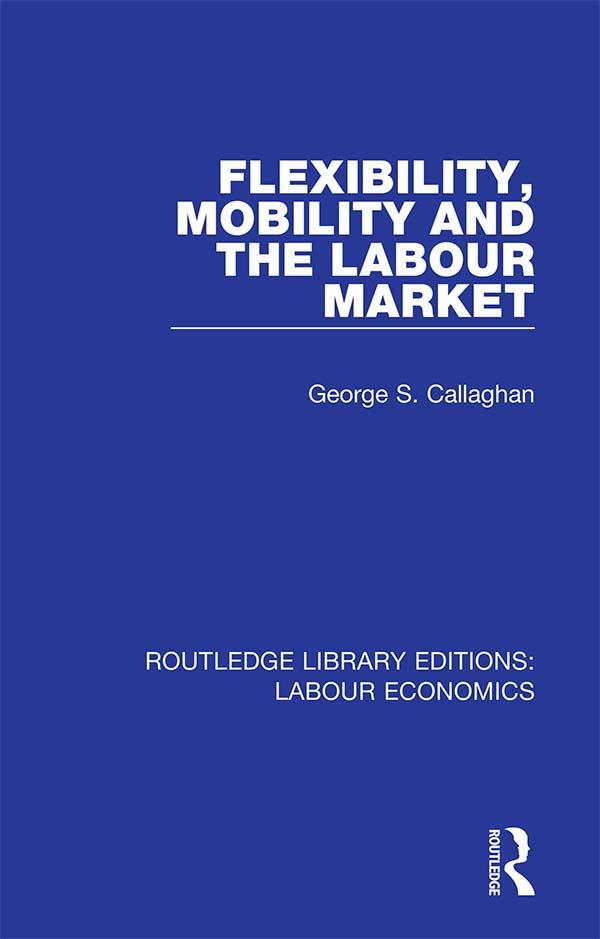
First published in 1997. Politicians of all shades argue that the labour market should be more flexible and workers more mobile. But what does this mean in reality? How flexible and mobile are workers likely to be? Is there an ideological base to the language of flexibility? These are some of the issues covered in this book. Data from a large factory and office is used to argue that the macro labour market consists of non-competitive work groups where strongly held views and values represent a substantial barrier to simplistic definitions of flexibility and mobility. The analysis takes place in three chapters, dealing with recruitment for work, skills used in work and perceptions of different types of work and workers. The findings suggest that non-economic forces (such as institutional, social, historical and political phenomena) strongly influence the creation of separate work cultures. Furthermore, it is argued that the reason for differences between work groups being articulated in a defensive fashion reflects the climate of fear in the labour market, where flexibility is associated with a loss of the (often limited) power, control and influence workers have over their position in the labour market.
Paga fácilmente con tarjeta, Klarna, Apple Pay o Google Pay. ¿No estás contento? Siempre tienes 14 días de garantía de devolución. Lee más en nuestros términos. Si tienes preguntas, escríbenos a hello@memmo.org.
Memmo hace que estudiar sea más fácil, estés donde estés. Aquí tienes tus libros de texto y herramientas de estudio inteligentes en un solo lugar: resúmenes, quizzes, podcasts y flashcards. Y también a Ted, tu compañero de estudio que responde a todo lo que te preguntes. Más de 50 000 estudiantes ya estudian aquí. Está hecho para que aprendas más rápido y te estreses menos.