
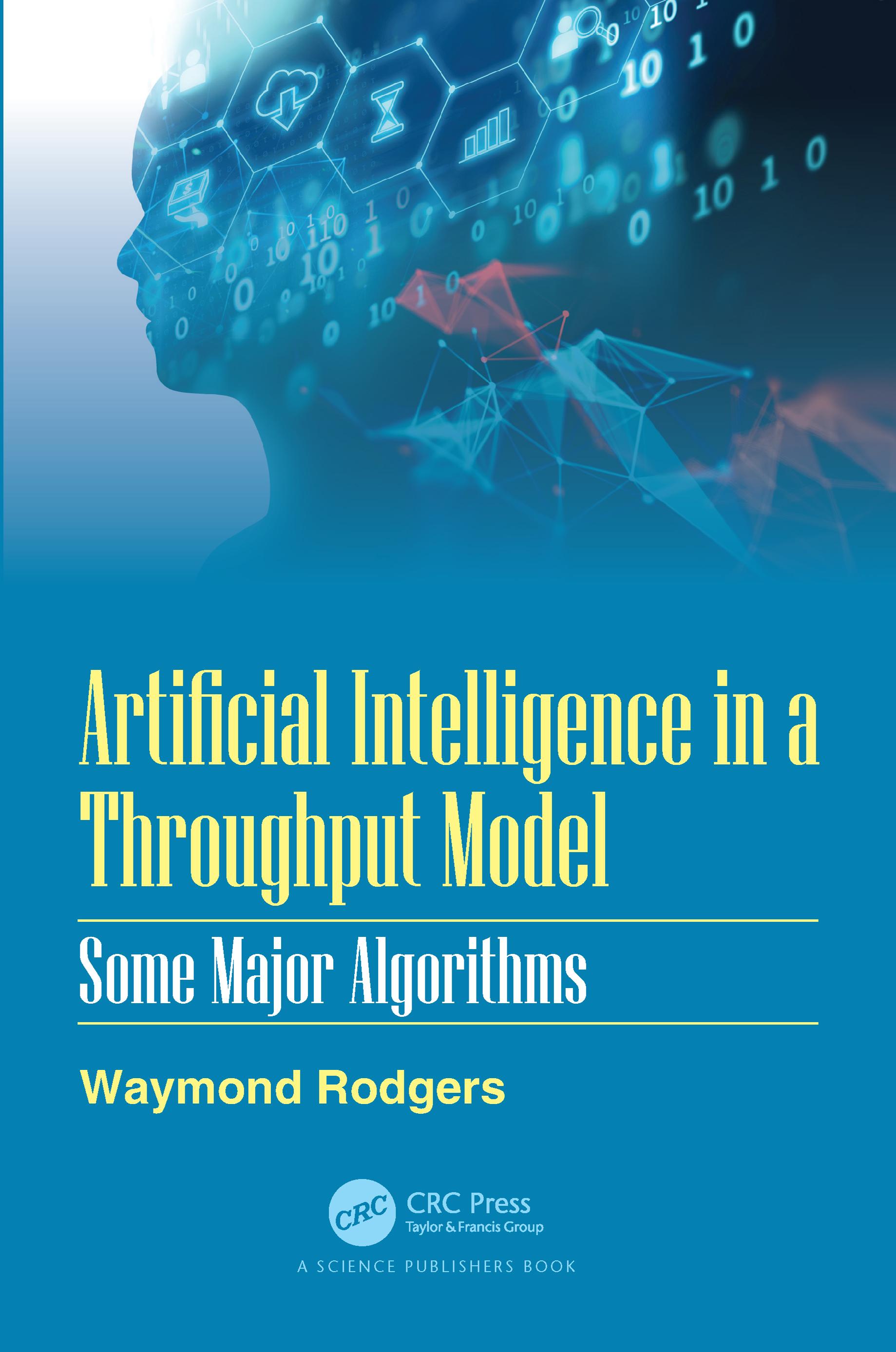
Physical and behavioral biometric technologies such as fingerprinting, facial recognition, voice identification, etc. have enhanced the level of security substantially in recent years. Governments and corporates have employed these technologies to achieve better customer satisfaction. However, biometrics faces major challenges in reducing criminal, terrorist activities and electronic frauds, especially in choosing appropriate decision-making algorithms. To face this challenge, new developments have been made, that amalgamate biometrics with artificial intelligence (AI) in decision-making modeling. Advanced software algorithms of AI, processing information offered by biometric technology, achieve better results. This has led to growth in the biometrics technology industry, and is set to increase the security and internal control operations manifold.
This book provides an overview of the existing biometric technologies, decision-making algorithms and the growth opportunity in biometrics. The book proposes a throughput model, which draws on computer science, economics and psychology to model perceptual, informational sources, judgmental processes and decision choice algorithms. It reviews how biometrics might be applied to reduce risks to individuals and organizations, especially when dealing with digital-based media.
Paga fácilmente con tarjeta, Klarna, Apple Pay o Google Pay. ¿No estás contento? Siempre tienes 14 días de garantía de devolución. Lee más en nuestros términos. Si tienes preguntas, escríbenos a hello@memmo.org.
Memmo hace que estudiar sea más fácil, estés donde estés. Aquí tienes tus libros de texto y herramientas de estudio inteligentes en un solo lugar: resúmenes, quizzes, podcasts y flashcards. Y también a Ted, tu compañero de estudio que responde a todo lo que te preguntes. Más de 50 000 estudiantes ya estudian aquí. Está hecho para que aprendas más rápido y te estreses menos.