
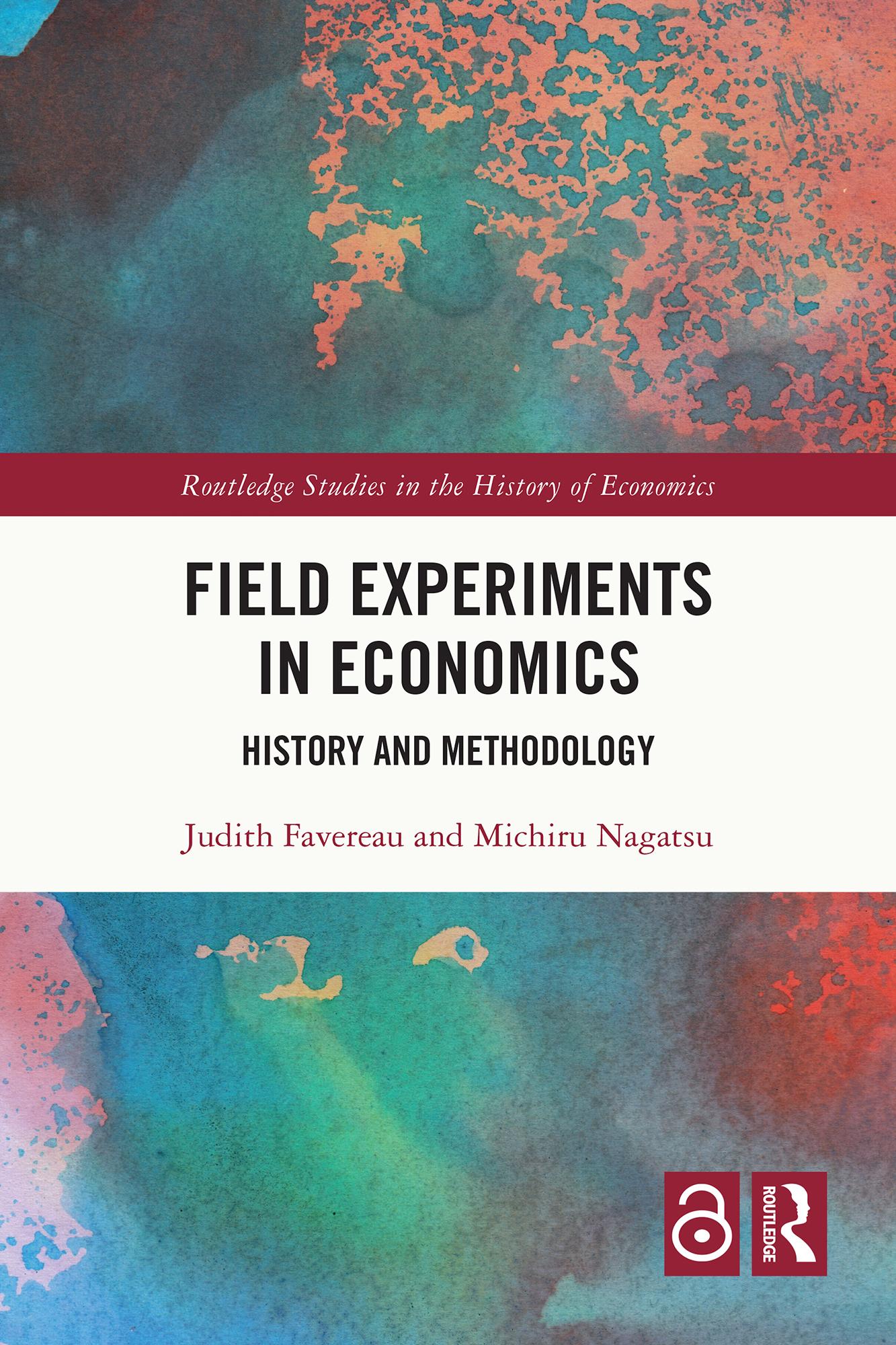
This book adopts an integrated history and philosophy of science approach to consider the historical origins and methodological pitfalls of field experiments in economics.
It explains key concepts such as control and randomization and identifies two distinct origins of field experimentation in economics: controlled laboratory experiments and randomized field trials. Careful historical analysis reveals that two strands of field experiments have developed, with rather different methodological rationales regarding the validity, both internal and external, of inferences about experimental results. The authors propose a unified methodological framework that makes explicit the complementarity between the two strands of field experiments, as well as between experimentation and other research methods such as econometrics. In addition, the methodological framework aims not only to bridge both strands but also to make explicit often-assumed ethical and political values in experimental design and practice in the field.
This book will be valuable reading for advanced students and scholars in the history of economics, philosophy of economics, economic methodology, and experimental economics.
The Open Access version of this book, available at www.taylorfrancis.com, has been made available under a Creative Commons Attribution-Non Commercial-No Derivatives (CC-BY-NC-ND) 4.0 license.
Paga fácilmente con tarjeta, Klarna, Apple Pay o Google Pay. ¿No estás contento? Siempre tienes 14 días de garantía de devolución. Lee más en nuestros términos. Si tienes preguntas, escríbenos a hello@memmo.org.
Memmo hace que estudiar sea más fácil, estés donde estés. Aquí tienes tus libros de texto y herramientas de estudio inteligentes en un solo lugar: resúmenes, quizzes, podcasts y flashcards. Y también a Ted, tu compañero de estudio que responde a todo lo que te preguntes. Más de 50 000 estudiantes ya estudian aquí. Está hecho para que aprendas más rápido y te estreses menos.