
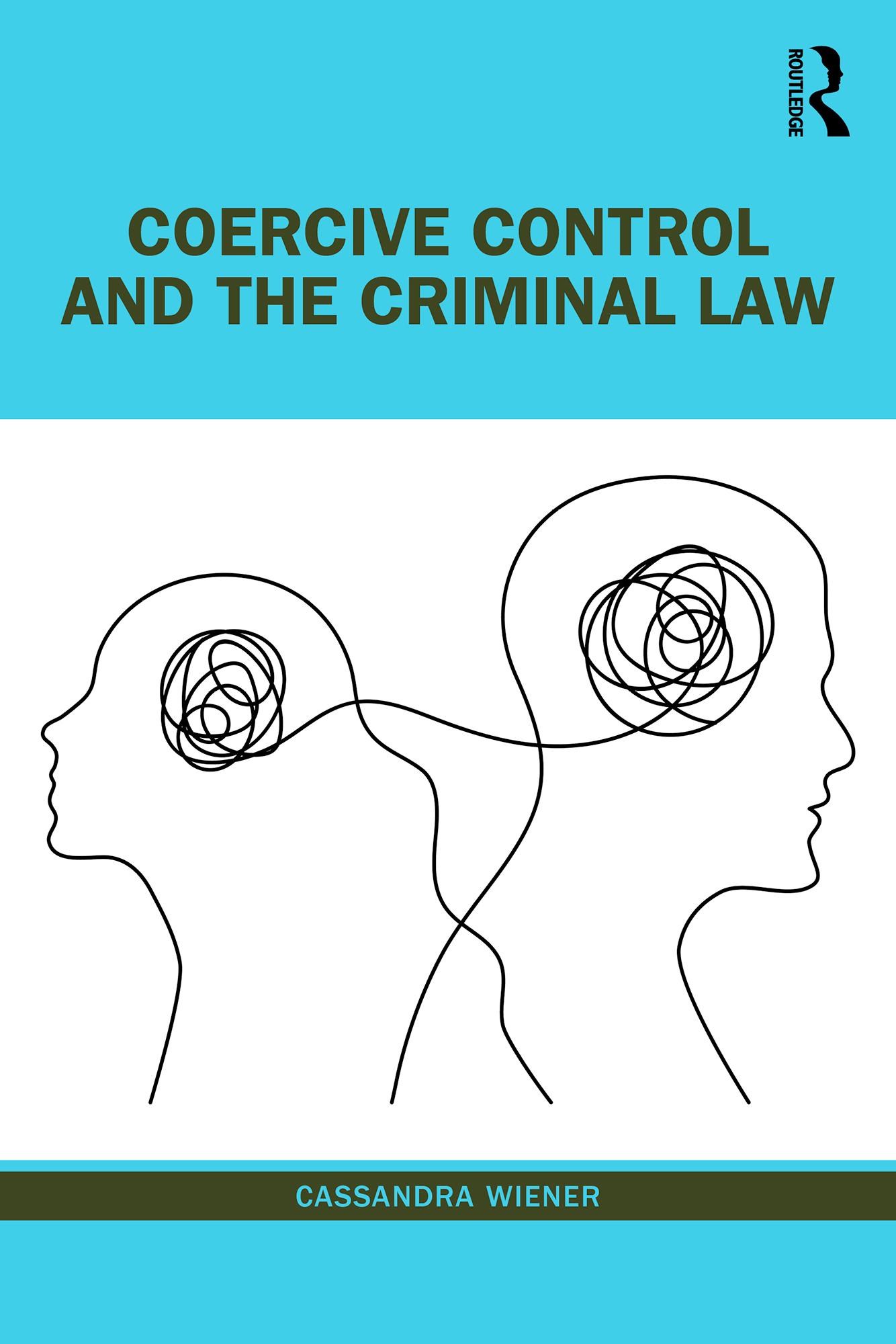
This book considers how a phenomenon as complex as coercive control can be criminalised. The recognition and ensuing criminalisation of coercive control in the UK and Ireland has been the focus of considerable international attention. It has generated complex questions about the "best" way to criminalise domestic abuse. This work reviews recent domestic abuse criminal law reform in the UK and Ireland. In particular, it defines coercive control and explains why using traditional criminal law approaches to prosecute it does not work. Laws passed in England and Wales versus Scotland represent two different approaches to translating coercive control into a criminal offence. This volume explains how and why the jurisdictions have taken different approaches and examines the advantages and disadvantages of each. As jurisdictions around the world review what steps need to be taken to improve national criminal justice responses to domestic abuse, the question of what works, and why, at the intersection of domestic abuse and the criminal law has never been more important. As such, the book will be a vital resource for lawyers, policy-makers and activists with an interest in domestic abuse law reform.
Paga fácilmente con tarjeta, Klarna, Apple Pay o Google Pay. ¿No estás contento? Siempre tienes 14 días de garantía de devolución. Lee más en nuestros términos. Si tienes preguntas, escríbenos a hello@memmo.org.
Memmo hace que estudiar sea más fácil, estés donde estés. Aquí tienes tus libros de texto y herramientas de estudio inteligentes en un solo lugar: resúmenes, quizzes, podcasts y flashcards. Y también a Ted, tu compañero de estudio que responde a todo lo que te preguntes. Más de 50 000 estudiantes ya estudian aquí. Está hecho para que aprendas más rápido y te estreses menos.