
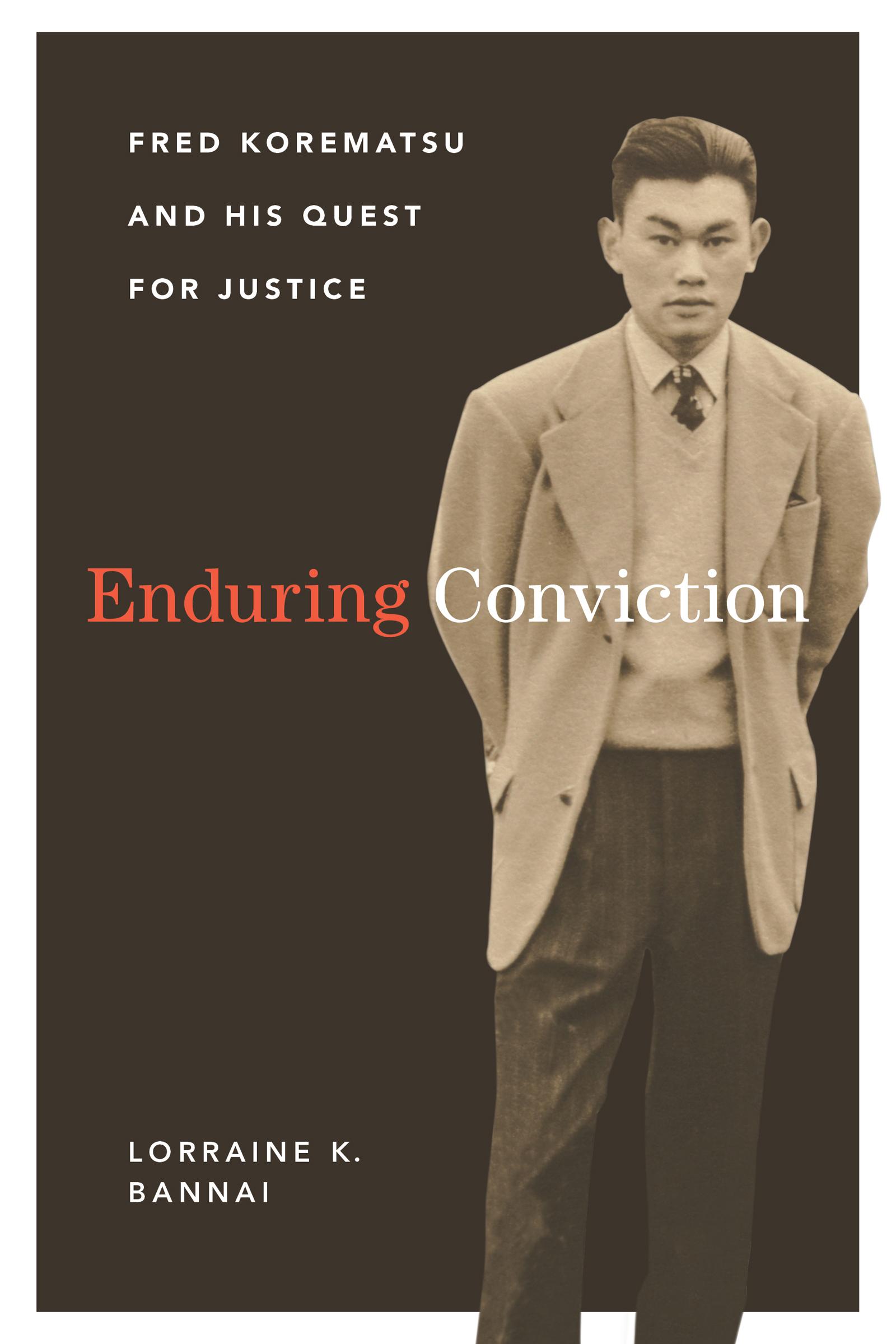
Fred Korematsu’s decision to resist F.D.R.’s Executive Order 9066, which provided authority for the internment of Japanese Americans during World War II, was initially the case of a young man following his heart: he wanted to remain in California with his white fiancée. However, he quickly came to realize that it was more than just a personal choice; it was a matter of basic human rights.
After refusing to leave for incarceration when ordered, Korematsu was eventually arrested and convicted of a federal crime before being sent to the internment camp at Topaz, Utah.
He appealed his conviction to the Supreme Court, which, in one of the most infamous cases in American legal history, upheld the wartime orders. Forty years later, in the early 1980s, a team of young attorneys resurrected Korematsu’s case. This time, Korematsu was victorious, and his conviction was overturned, helping to pave the way for Japanese American redress.
Lorraine Bannai, who was a young attorney on that legal team, combines insider knowledge of the case with extensive archival research, personal letters, and unprecedented access to Korematsu his family, and close friends. She uncovers the inspiring story of a humble, soft-spoken man who fought tirelessly against human rights abuses long after he was exonerated. In 1998, President Bill Clinton awarded Korematsu the Presidential Medal of Freedom.
Paga fácilmente con tarjeta, Klarna, Apple Pay o Google Pay. ¿No estás contento? Siempre tienes 14 días de garantía de devolución. Lee más en nuestros términos. Si tienes preguntas, escríbenos a hello@memmo.org.
Memmo hace que estudiar sea más fácil, estés donde estés. Aquí tienes tus libros de texto y herramientas de estudio inteligentes en un solo lugar: resúmenes, quizzes, podcasts y flashcards. Y también a Ted, tu compañero de estudio que responde a todo lo que te preguntes. Más de 50 000 estudiantes ya estudian aquí. Está hecho para que aprendas más rápido y te estreses menos.