
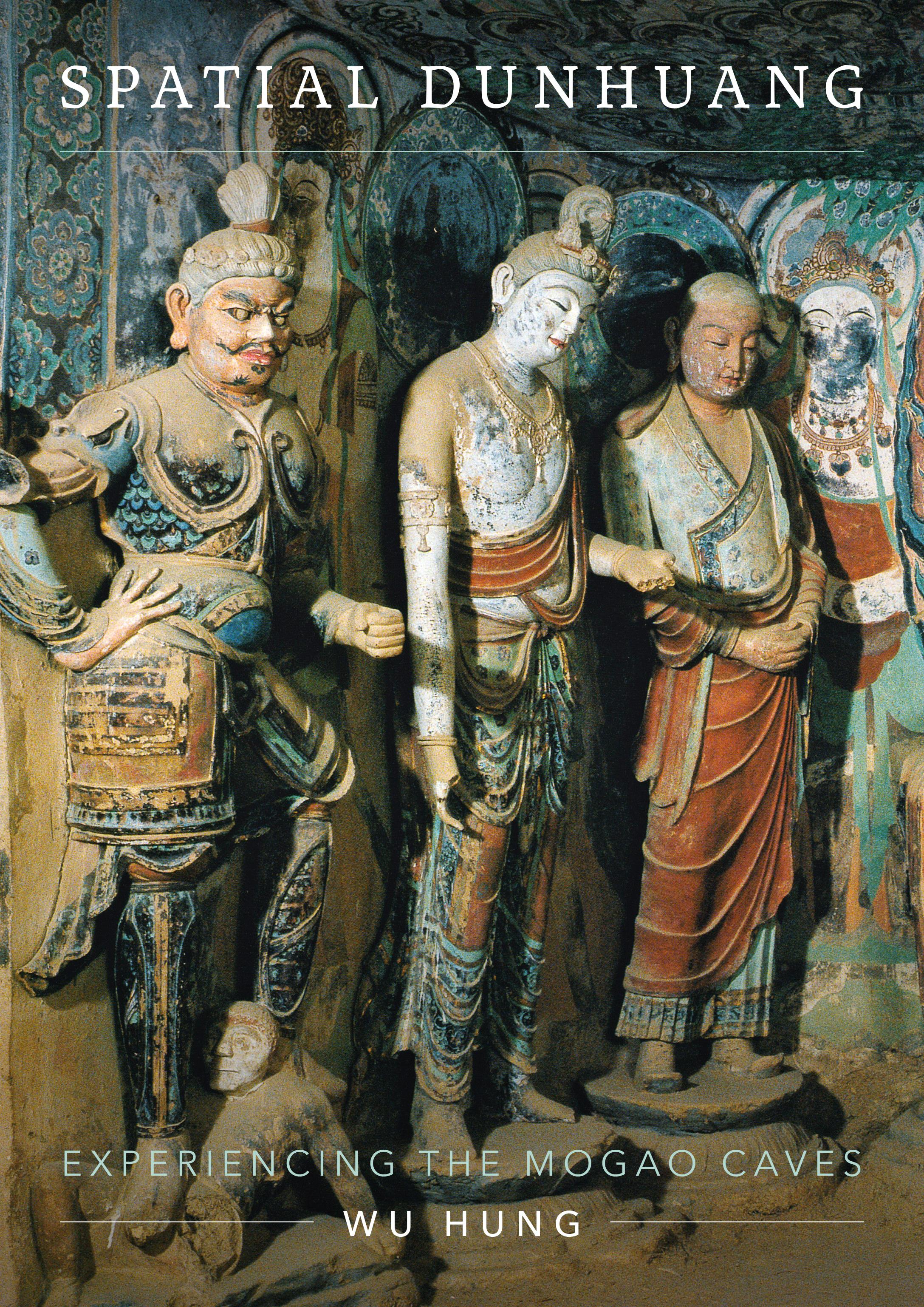
Constructed over a millennium from the fourth to fourteenth centuries CE near Dunhuang, an ancient border town along the Silk Road in northwest China, the Mogao Caves comprise the largest, most continuously created, and best-preserved treasure trove of Buddhist art in the world. Previous overviews of the art of Dunhuang have traced the caves' unilinear history. This book examines the caves from the perspective of space, treating them as physical and historical sites that can be approached, entered, and understood sensually. It prioritizes the actual experiences of the people of the past who built and used the caves.
Five spatial contexts provide rich material for analysis: Dunhuang as a multicultural historic place; the Mogao Cave complex as an evolving entity; the interior space of caves; interaction of the visual program with architectural space; and pictorial space within wall paintings that draws viewers into an otherworldly time. With its novel approach to this repository of religious art, Spatial Dunhuang will be a must-read for anyone interested in Buddhist art and for visitors to Dunhuang.
Paga fácilmente con tarjeta, Klarna, Apple Pay o Google Pay. ¿No estás contento? Siempre tienes 14 días de garantía de devolución. Lee más en nuestros términos. Si tienes preguntas, escríbenos a hello@memmo.org.
Memmo hace que estudiar sea más fácil, estés donde estés. Aquí tienes tus libros de texto y herramientas de estudio inteligentes en un solo lugar: resúmenes, quizzes, podcasts y flashcards. Y también a Ted, tu compañero de estudio que responde a todo lo que te preguntes. Más de 50 000 estudiantes ya estudian aquí. Está hecho para que aprendas más rápido y te estreses menos.