
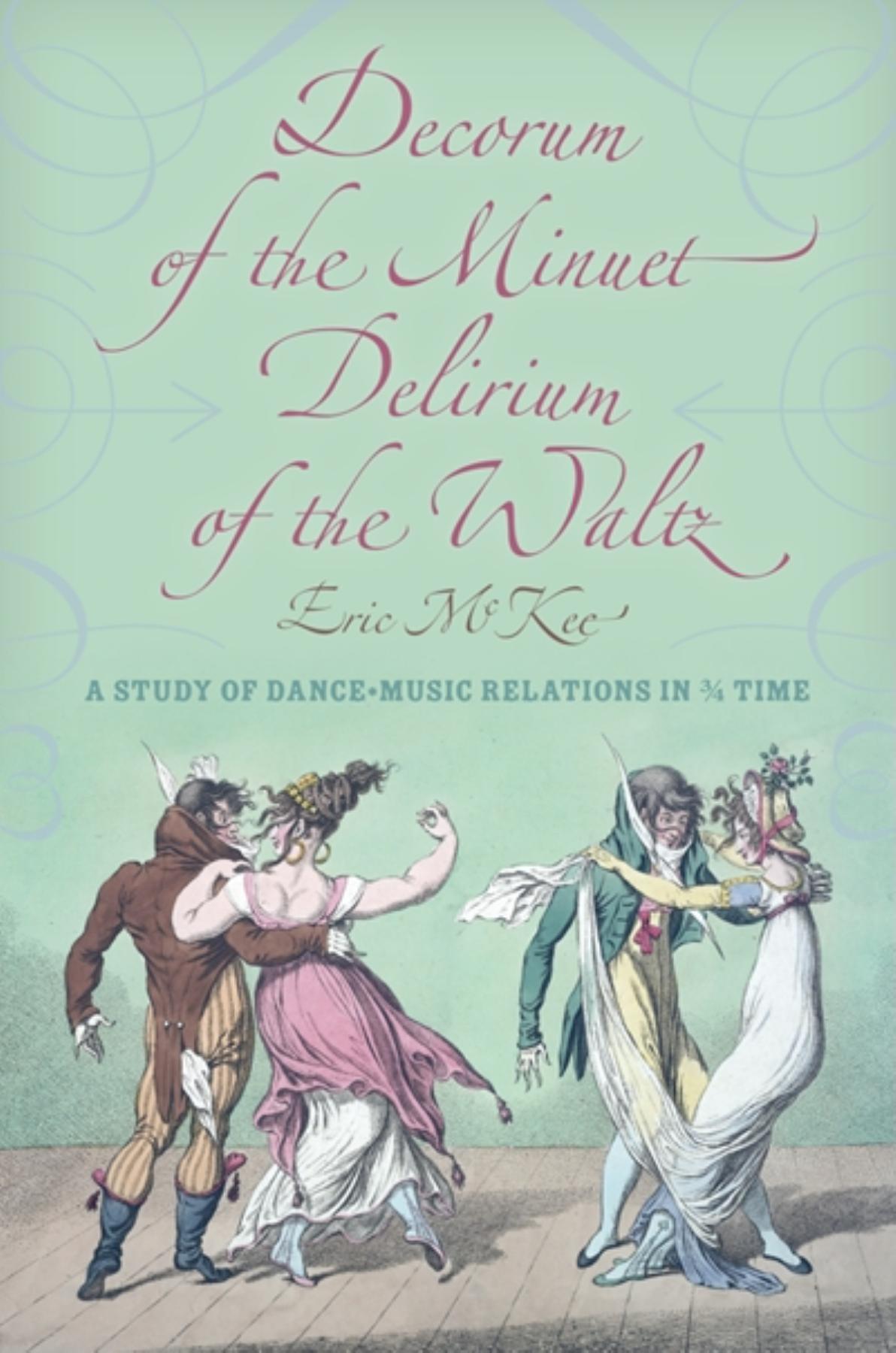
Much music was written for the two most important dances of the 18th and 19th centuries, the minuet and the waltz. In Decorum of the Minuet, Delirium of the Waltz, Eric McKee argues that to better understand the musical structures and expressive meanings of this dance music, one must be aware of the social contexts and bodily rhythms of the social dances upon which it is based. McKee approaches dance music as a component of a multimedia art form that involves the interaction of physical motion, music, architecture, and dress. Moreover, the activity of attending a ball involves a dynamic network of modalities—sight, sound, bodily awareness, touch, and smell, which can be experienced from the perspectives of a dancer, a spectator, or a musician. McKee considers dance music within a larger system of signifiers and points-of-view that opens new avenues of interpretation.
Paga fácilmente con tarjeta, Klarna, Apple Pay o Google Pay. ¿No estás contento? Siempre tienes 14 días de garantía de devolución. Lee más en nuestros términos. Si tienes preguntas, escríbenos a hello@memmo.org.
Memmo hace que estudiar sea más fácil, estés donde estés. Aquí tienes tus libros de texto y herramientas de estudio inteligentes en un solo lugar: resúmenes, quizzes, podcasts y flashcards. Y también a Ted, tu compañero de estudio que responde a todo lo que te preguntes. Más de 50 000 estudiantes ya estudian aquí. Está hecho para que aprendas más rápido y te estreses menos.