
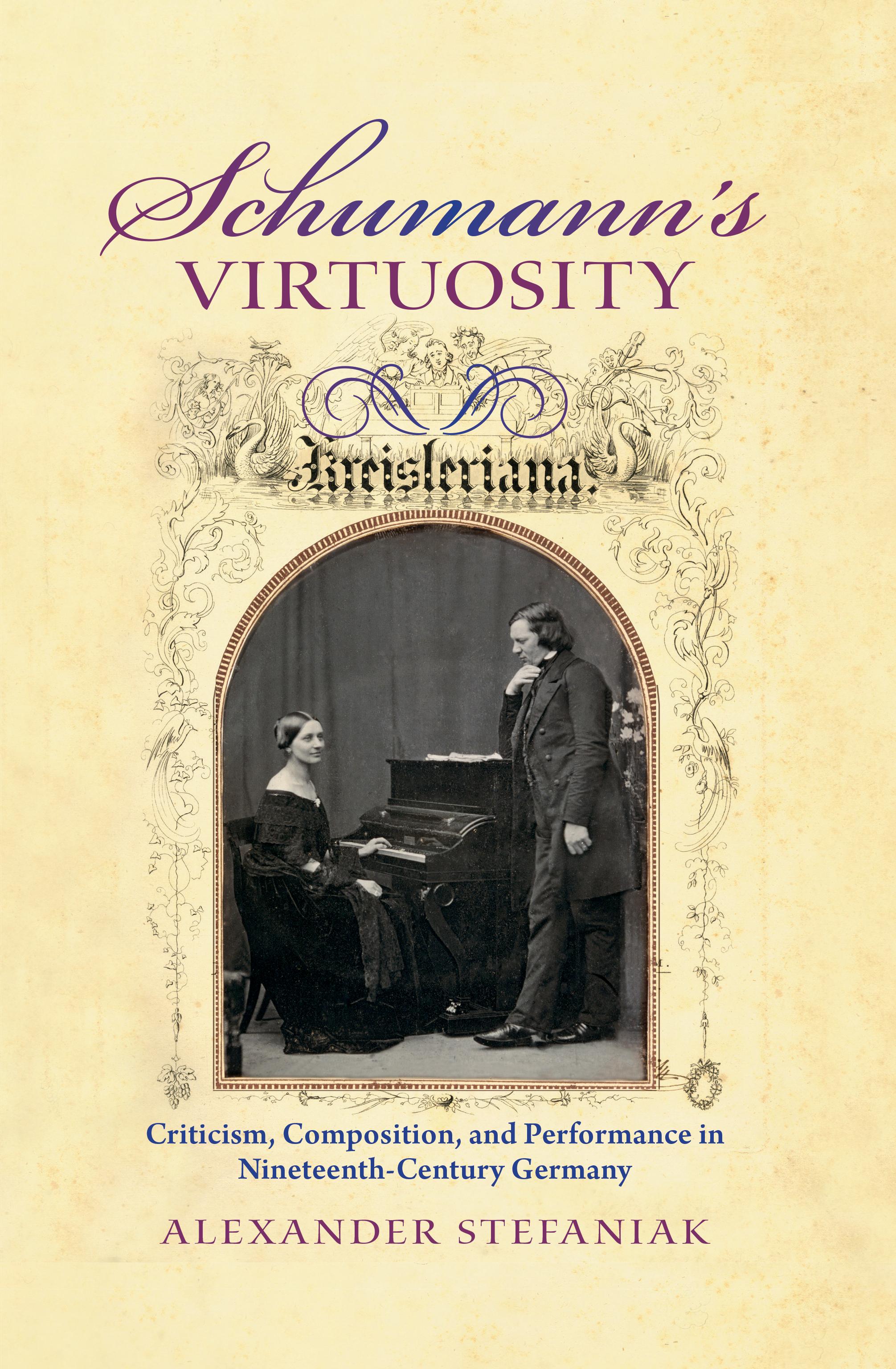
Considered one of the greatest composers—and music critics—of the Romantic era, Robert Schumann (1810–1856) played an important role in shaping nineteenth-century German ideas about virtuosity. Forging his career in the decades that saw abundant public fascination with the feats and creations of virtuosos (Liszt, Paganini, and Chopin among others), Schumann engaged with instrumental virtuosity through not only his compositions and performances but also his music reviews and writings about his contemporaries. Ultimately, the discourse of virtuosity influenced the culture of Western "art music" well beyond the nineteenth century and into the present day. By examining previously unexplored archival sources, Alexander Stefaniak looks at the diverse approaches to virtuosity Schumann developed over the course of his career, revealing several distinct currents in nineteenth-century German virtuosity and the enduring flexibility of virtuosity discourse.
Paga fácilmente con tarjeta, Klarna, Apple Pay o Google Pay. ¿No estás contento? Siempre tienes 14 días de garantía de devolución. Lee más en nuestros términos. Si tienes preguntas, escríbenos a hello@memmo.org.
Memmo hace que estudiar sea más fácil, estés donde estés. Aquí tienes tus libros de texto y herramientas de estudio inteligentes en un solo lugar: resúmenes, quizzes, podcasts y flashcards. Y también a Ted, tu compañero de estudio que responde a todo lo que te preguntes. Más de 50 000 estudiantes ya estudian aquí. Está hecho para que aprendas más rápido y te estreses menos.