
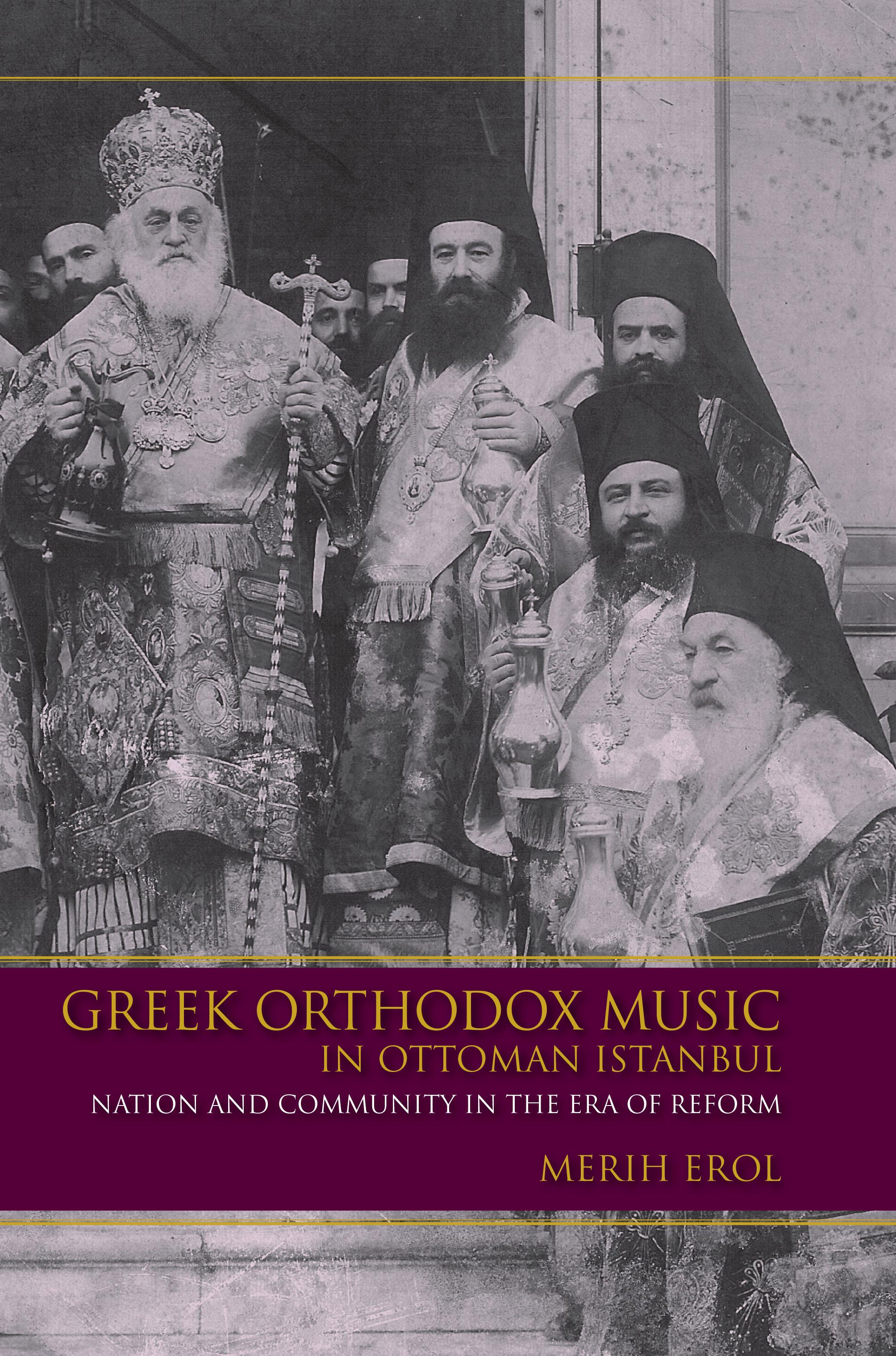
During the late Ottoman period (1856–1922), a time of contestation about imperial policy toward minority groups, music helped the Ottoman Greeks in Istanbul define themselves as a distinct cultural group. A part of the largest non-Muslim minority within a multi-ethnic and multi-religious empire, the Greek Orthodox educated elite engaged in heated discussions about their cultural identity, Byzantine heritage, and prospects for the future, at the heart of which were debates about the place of traditional liturgical music in a community that was confronting modernity and westernization. Merih Erol draws on archival evidence from ecclesiastical and lay sources dealing with understandings of Byzantine music and history, forms of religious chanting, the life stories of individual cantors, and other popular and scholarly sources of the period. Audio examples keyed to the text are available online.
Paga fácilmente con tarjeta, Klarna, Apple Pay o Google Pay. ¿No estás contento? Siempre tienes 14 días de garantía de devolución. Lee más en nuestros términos. Si tienes preguntas, escríbenos a hello@memmo.org.
Memmo hace que estudiar sea más fácil, estés donde estés. Aquí tienes tus libros de texto y herramientas de estudio inteligentes en un solo lugar: resúmenes, quizzes, podcasts y flashcards. Y también a Ted, tu compañero de estudio que responde a todo lo que te preguntes. Más de 50 000 estudiantes ya estudian aquí. Está hecho para que aprendas más rápido y te estreses menos.