
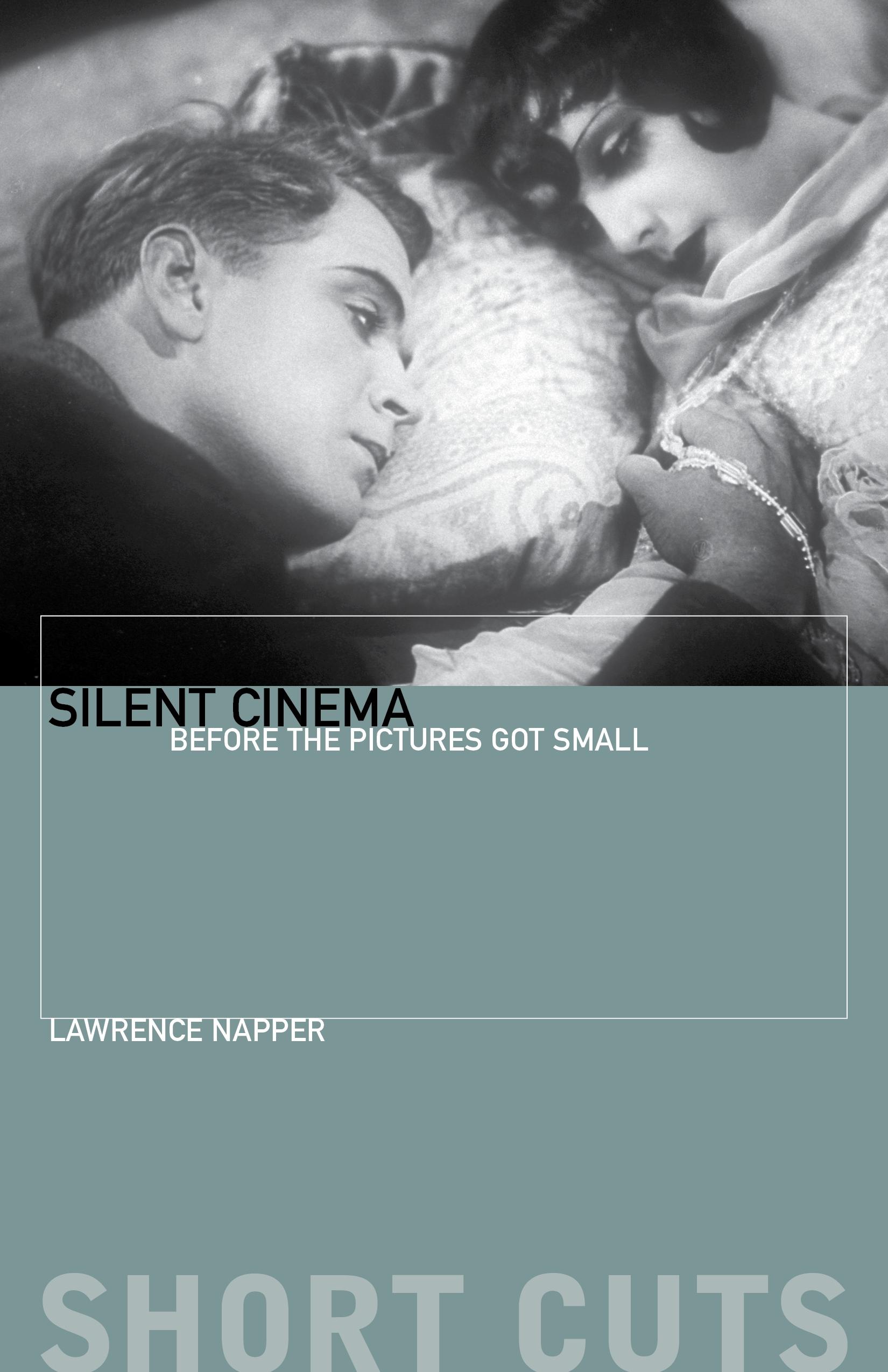
Since the spectacular success of The Artist (2011) there has been a resurgence of interest in silent cinema, and particularly in the lush and passionate screen dramas of the 1920s. This book offers an introduction to the cinema of this extraordinary period, outlining the development of the form between the end of the First World War and the introduction of synchronized sound at the end of the 1920s. Lawrence Napper addresses the relationship between film aesthetics and the industrial and political contexts of film production through a series of case studies of "national" cinemas. It also focuses on film-going as the most popular leisure activity of the age. Topics such as the star system, cinema buildings, musical accompaniments, film fashions, and fan cultures are addressed—all the elements that ensured that the experience of the pictures was "big." The international dominance of Hollywood is outlined, as are the different responses to that dominance in Britain, Germany, and the USSR. Case studies seek to move beyond the familiar silent canon, and include The Oyster Princess (1919), It (1927), Shooting Stars (1927), and The Girl with the Hatbox (1927).
Paga fácilmente con tarjeta, Klarna, Apple Pay o Google Pay. ¿No estás contento? Siempre tienes 14 días de garantía de devolución. Lee más en nuestros términos. Si tienes preguntas, escríbenos a hello@memmo.org.
Memmo hace que estudiar sea más fácil, estés donde estés. Aquí tienes tus libros de texto y herramientas de estudio inteligentes en un solo lugar: resúmenes, quizzes, podcasts y flashcards. Y también a Ted, tu compañero de estudio que responde a todo lo que te preguntes. Más de 50 000 estudiantes ya estudian aquí. Está hecho para que aprendas más rápido y te estreses menos.
También te podría gustar
Comprar el libro0