
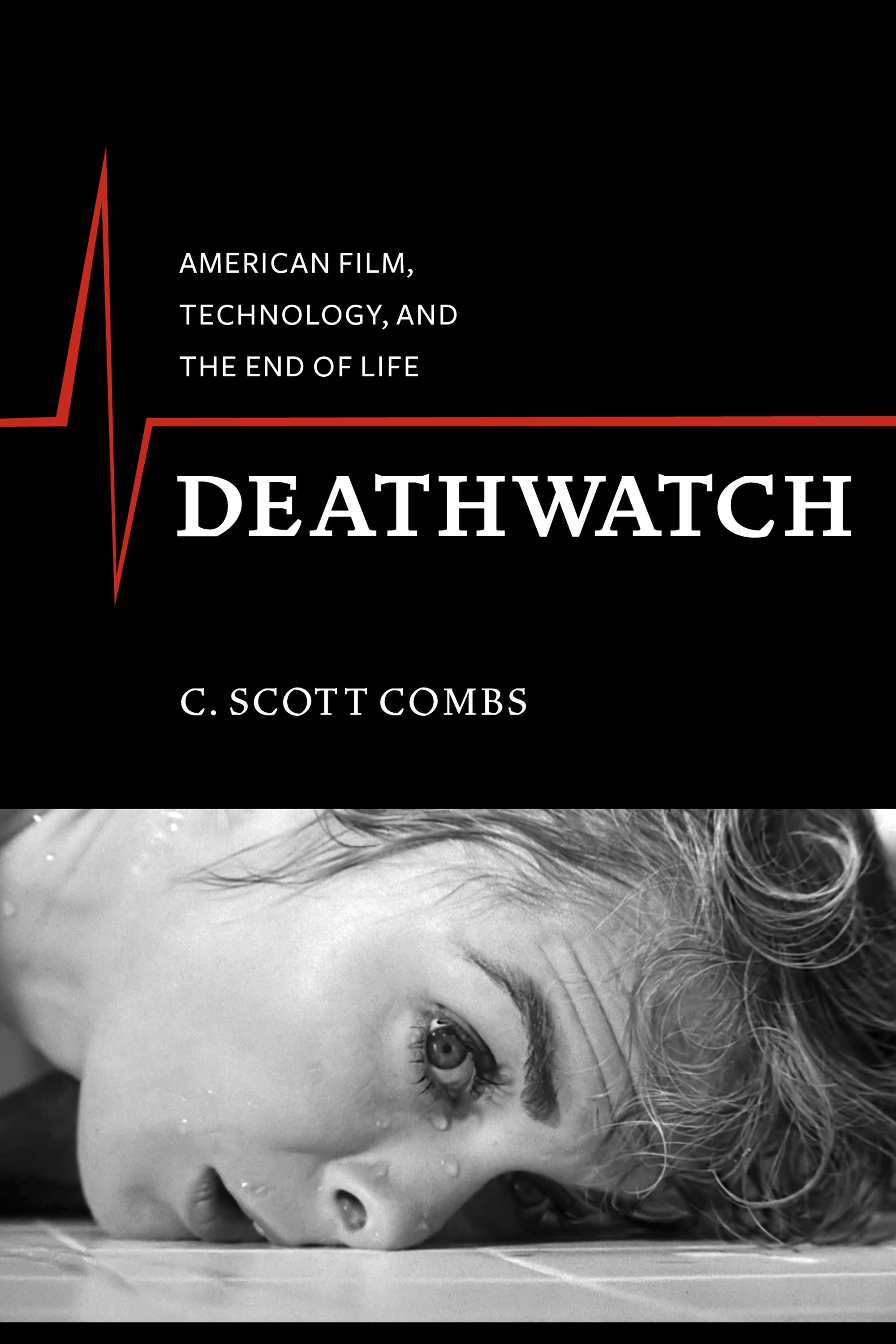
The first book to unpack American cinema's long history of representing death, this work considers movie sequences in which the process of dying becomes an exercise in legibility and exploration for the camera. Reading attractions-based cinema, narrative films, early sound cinema, and films using voiceover or images of medical technology, C. Scott Combs connects the slow or static process of dying to formal film innovation throughout the twentieth century. He looks at Thomas Edison's Electrocuting an Elephant (1903), D. W. Griffith's The Country Doctor (1909), John Ford's How Green Was My Valley (1941), Billy Wilder's Sunset Boulevard (1950), Stanley Kubrick's 2001: A Space Odyssey (1968), and Clint Eastwood's Million Dollar Baby (2004), among other films, to argue against the notion that film cannot capture the end of life because it cannot stop moving forward. Instead, he shows how the end of dying occurs more than once and in more than one place, understanding death in cinema as constantly in flux, wedged between technological precision and embodied perception.
Paga fácilmente con tarjeta, Klarna, Apple Pay o Google Pay. ¿No estás contento? Siempre tienes 14 días de garantía de devolución. Lee más en nuestros términos. Si tienes preguntas, escríbenos a hello@memmo.org.
Memmo hace que estudiar sea más fácil, estés donde estés. Aquí tienes tus libros de texto y herramientas de estudio inteligentes en un solo lugar: resúmenes, quizzes, podcasts y flashcards. Y también a Ted, tu compañero de estudio que responde a todo lo que te preguntes. Más de 50 000 estudiantes ya estudian aquí. Está hecho para que aprendas más rápido y te estreses menos.
También te podría gustar
Comprar el libro0