
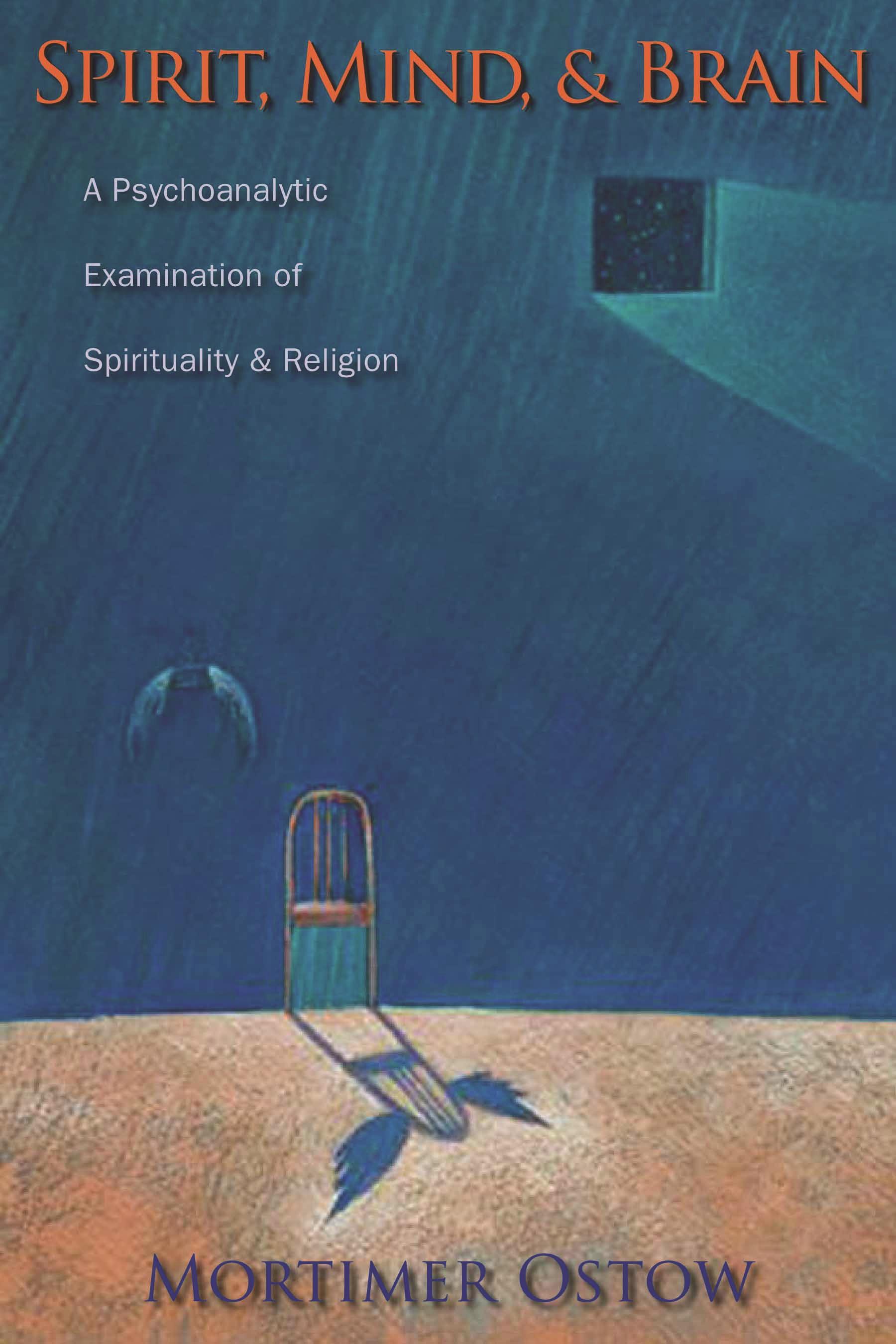
Preeminent psychoanalyst Mortimer Ostow believes that early childhood emotional attachments form the cognitive underpinnings of spiritual experience and religious motivation. His hypothesis, which is verifiable, relies on psychological and neurobiological evidence but is respectful of the human need for spiritual value.
Ostow begins by classifying the three parts of the spiritual experience: awe, Spirituality proper, and mysticism. After he pinpoints the psychological origins of these feelings in infancy, he discusses the foundations of religious sentiment and practice and the brain processes associated with spiritual experience. He then focuses on spirituality's relationship to mood regulation, and the role of negative spirituality in fostering religious fundamentalism and demonic possession.
Ostow concludes with an analysis of an essay by the psychoanalyst Donald M. Marcus, who recounts his own spiritual experience during a Native American-style "vision quest" in the woods. Marcus's account demonstrates the constructive potential of spirituality and the way in which spirituality retrieves and recapitulates feelings of attachment to the mother.
Persuasively and brilliantly argued, Spirit, Mind, and Brain brings the disciplines of religion, behavorial neuroscience, and philosophy to bear on a groundbreaking new method for understanding religious ritual and belief.
Paga fácilmente con tarjeta, Klarna, Apple Pay o Google Pay. ¿No estás contento? Siempre tienes 14 días de garantía de devolución. Lee más en nuestros términos. Si tienes preguntas, escríbenos a hello@memmo.org.
Memmo hace que estudiar sea más fácil, estés donde estés. Aquí tienes tus libros de texto y herramientas de estudio inteligentes en un solo lugar: resúmenes, quizzes, podcasts y flashcards. Y también a Ted, tu compañero de estudio que responde a todo lo que te preguntes. Más de 50 000 estudiantes ya estudian aquí. Está hecho para que aprendas más rápido y te estreses menos.