
Before Memmo my notes were scattered across PDFs. Now a workspace pulls everything into one place — I see exactly what's still left to study.
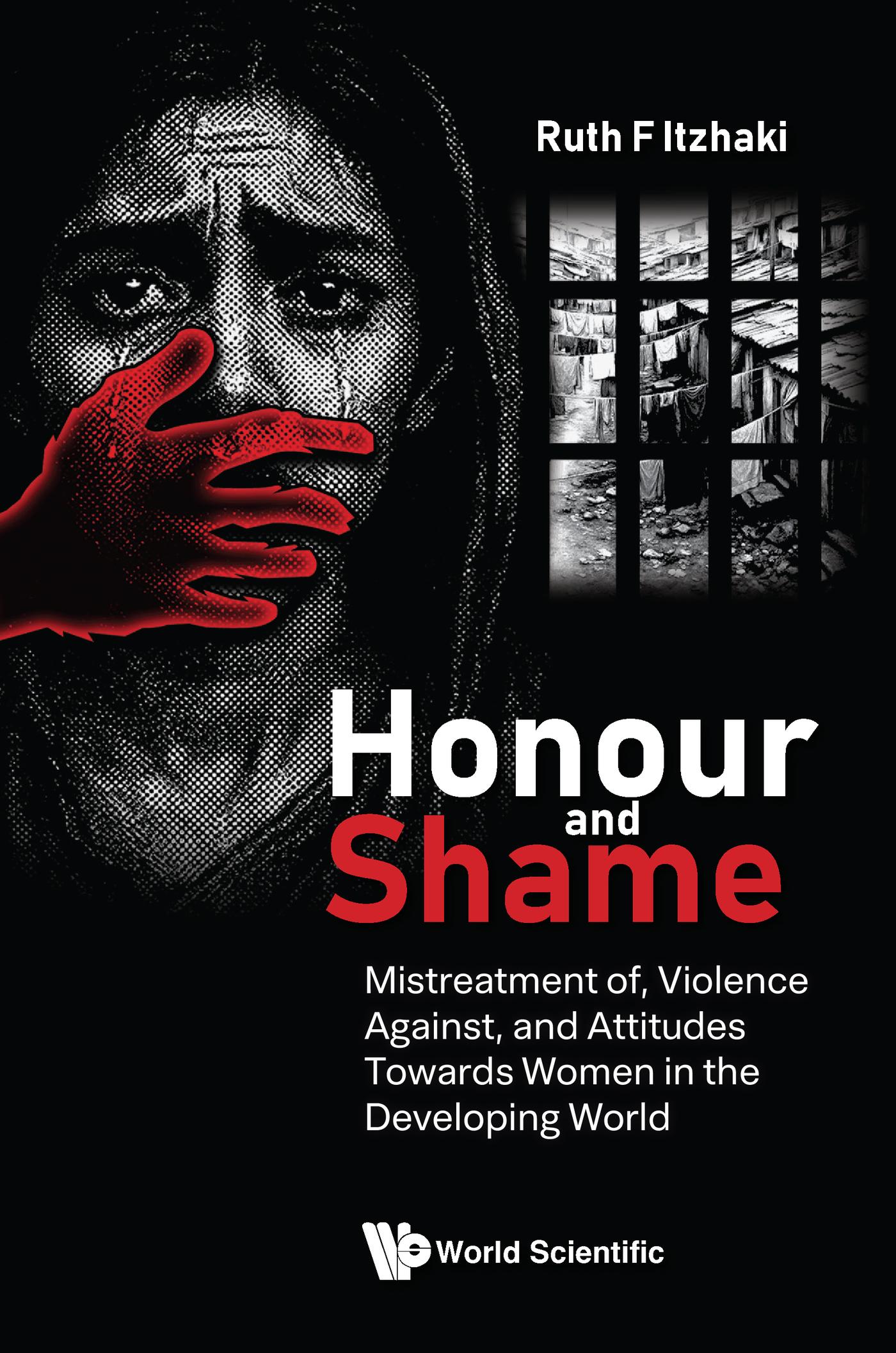
This book explores the systemic treatment of women in various countries — especially in the Indian sub-continent, the Middle East, and in sub-Saharan Africa — highlighting why these areas are amongst the most dangerous places in the world for women to reside. Drawing on global data and real-world observations, the author investigates the cultural, societal, and political factors that perpetuate gender-based violence and discrimination.
The writing of this book was inspired by stark realities: about one in three women world-wide has suffered violence, usually from a husband or partner during her lifetime; 200 million have been subjected to female genital mutilation in 30 countries in Africa, the Middle East and Asia; 130 million are 'demographically missing' across the low- and middle-income countries (LMIC) due to gender bias; nearly half the women in 57 LMIC are denied autonomy over reproductive health decisions and the right to seek health care, and 12 million live births worldwide are among girls aged 15–19 years. Drawn from data from the World Health Organisation, these sobering figures lay the foundation for a broader examination of deeply ingrained societal norms and systemic failures.
While acknowledging that gender-based violence is a global issue — including in wealthier nations — the book pays particular attention to how public attitudes in many LMIC often tolerate, excuse, or even endorse harmful practices. Yet, amid the grim statistics and persistent injustices, the book also charts the slow but steady progress being made though through education, advocacy, and policy reforms aimed at empowering women and securing their rightful place in society.
Contents:
Readership: Undergraduate students reading gender studies, social anthropology, and human rights issues; People in high- and-middle income counties interested in the customs and practices of other countries, and in the live of women in these countries.
Before Memmo my notes were scattered across PDFs. Now a workspace pulls everything into one place — I see exactly what's still left to study.
Memmo's summaries are gold before exams. I don't have to re-read 800 pages two weeks before — just the important parts.
The AI chat has saved me the night before an exam more than once. I just keep asking until I get it — no waiting on a study group to reply.
The quizzes hit exactly what I need to know. Memmo tracks what I get stuck on — so I only practice what's worth it.
Flashcards with spaced repetition are magic. Memmo knows when I'm about to forget something and brings it back.
The AI podcasts are my favorite. I listen on my way to school and get a recap without sitting at a computer.

Handbok i kvalitativa metoder
281 kr

Hållbar utveckling: en introduktion för ingenjörer och andra problemlösare
334 kr

Brymans Samhällsvetenskapliga metoder
390 kr

Projektledning
491 kr

Den orättvisa hälsan: om socioekonomiska skillnader i hälsa och livslängd
326 kr

Vetenskapsteori för nybörjare
196 kr

Organizational Leadership
429 kr

På väg mot läraryrket
172 kr

Det sociala livet i skolan: Socialpsykologiska perspektiv
253 kr

Betygsättningens didaktik
151 kr

Personality
402 kr

Studying Leadership
404 kr

Managing Innovation
477 kr

Introduktion till samhällsvetenskaplig metod
347 kr

The Psychology of Sex and Gender
698 kr

Evidens och kunskap för socialt arbete
207 kr

Introduction to Leadership
605 kr