
Before Memmo my notes were scattered across PDFs. Now a workspace pulls everything into one place — I see exactly what's still left to study.
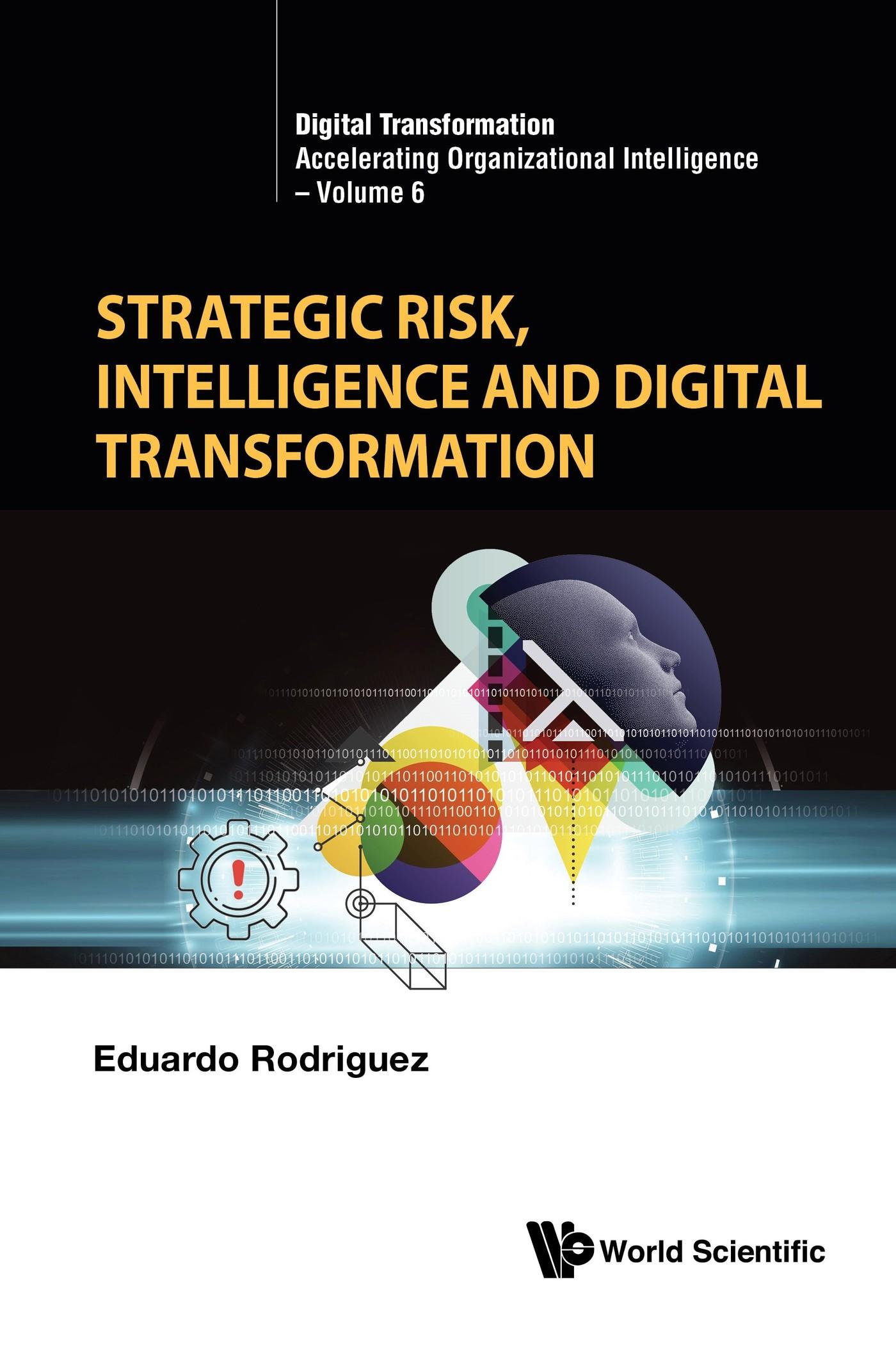
In this book, the study of strategic risk is not only for its control and mitigation using analytics and digital transformation in organizations, but also it is about the strategic risks that digital transformation can bring to organizations. Strategic risk control is one of the goals in creating intelligent organizations and at the same time it is part of the appetite for creating smarter organizations to support organizations' development. Knowledge that is created by data analytics and the capacity to operationalize that knowledge through digital transformation can produce potential sustainable competitive advantages.
The core of the volume is connecting data analytics and artificial intelligence, risk management and digitalization to create strategic intelligence as the capacity of adaptation that organizations need to compete and to succeed. Strategic intelligence is a symbiotic work of artificial intelligence, business intelligence and competitive intelligence. Strategic risk is represented by the probability of having variations in the performance results of the organizations that can limit their capacity to maintain sustainable competitive advantages. There is an emphasis in the book about the conversion of models that support data analytics into actions to mitigate strategic risk based on digital transformation.
This book reviews the steps that organizations have taken in using technology that connects the data analytics modeling process and digital operations, such as the shift from the use of statistical learning and machine learning for data analytics to the improvement and use of new technologies. The digitalization process is a potential opportunity for organizations however the results are not necessarily good for everyone. Hence, organizations implement strategic risk control in cloud computing, blockchain, artificial intelligence and create digital networks that are connected internally and externally to deal with internal and external customers, with suppliers and buyers, and with competitors and substitutes. The new risks appear once new knowledge emerges and is in use, but at the same time the new knowledge supports the initiatives to deal with risks arising from novel ways of competing and collaborating.
Contents:
Readership: Postgraduate students in Data Science, Risk Management, Finance.
Key Features:
Before Memmo my notes were scattered across PDFs. Now a workspace pulls everything into one place — I see exactly what's still left to study.
Memmo's summaries are gold before exams. I don't have to re-read 800 pages two weeks before — just the important parts.
The AI chat has saved me the night before an exam more than once. I just keep asking until I get it — no waiting on a study group to reply.
The quizzes hit exactly what I need to know. Memmo tracks what I get stuck on — so I only practice what's worth it.
Flashcards with spaced repetition are magic. Memmo knows when I'm about to forget something and brings it back.
The AI podcasts are my favorite. I listen on my way to school and get a recap without sitting at a computer.

Handbok i kvalitativa metoder
281 kr

Hållbar utveckling: en introduktion för ingenjörer och andra problemlösare
334 kr

Brymans Samhällsvetenskapliga metoder
390 kr

Projektledning
491 kr

Den orättvisa hälsan: om socioekonomiska skillnader i hälsa och livslängd
326 kr

Vetenskapsteori för nybörjare
196 kr

Organizational Leadership
429 kr

På väg mot läraryrket
172 kr

Det sociala livet i skolan: Socialpsykologiska perspektiv
253 kr

Betygsättningens didaktik
151 kr

Personality
402 kr

Studying Leadership
404 kr

Managing Innovation
477 kr

Introduktion till samhällsvetenskaplig metod
347 kr

The Psychology of Sex and Gender
698 kr

Evidens och kunskap för socialt arbete
207 kr

Introduction to Leadership
605 kr