
Before Memmo my notes were scattered across PDFs. Now a workspace pulls everything into one place — I see exactly what's still left to study.
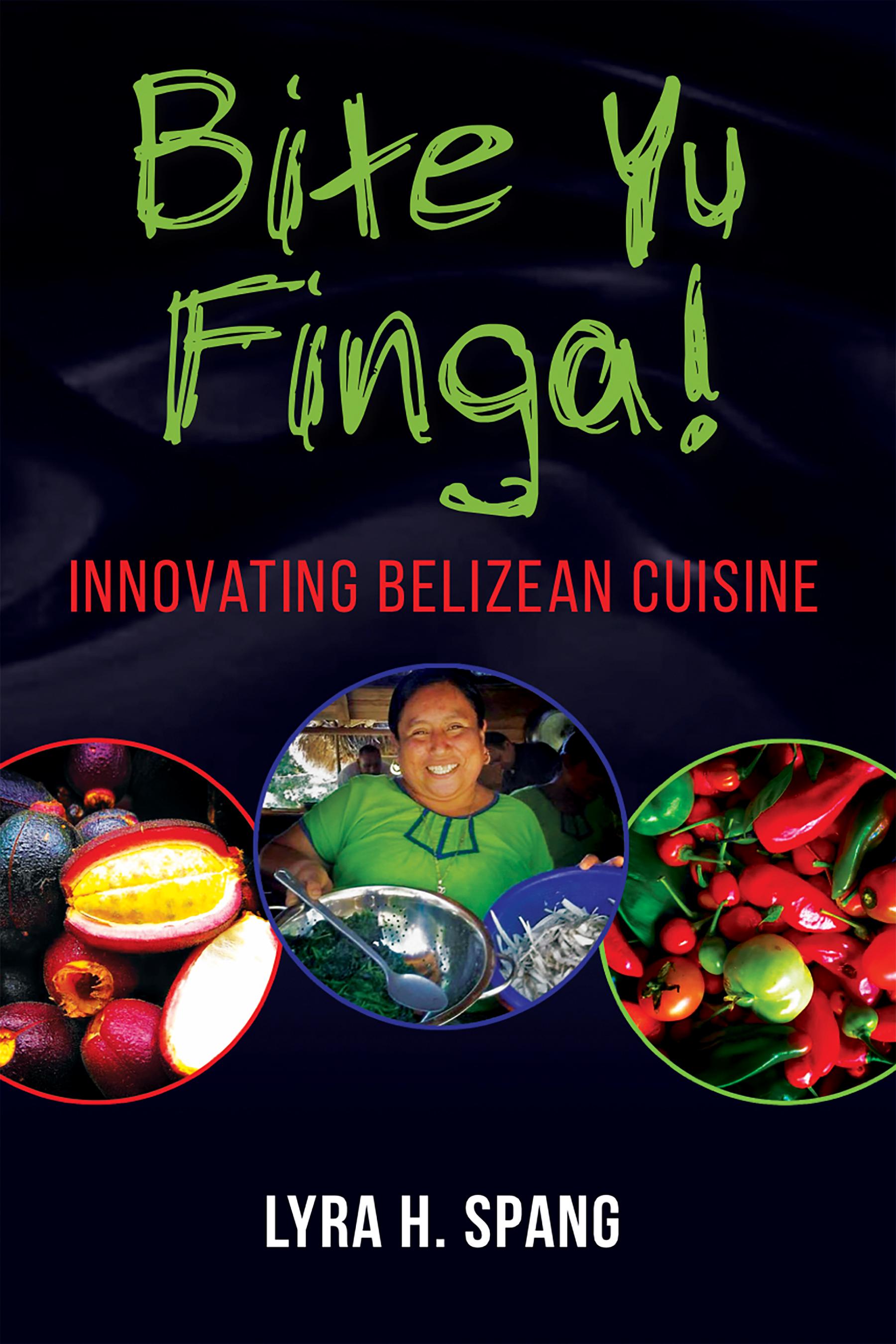
IT SEEMED MOMENTOUS THAT AS I WAS COMPLETING final edits on this book, news arrived of Anthony Bourdain’s passing. Academia and popular media increasingly overlap in the arena of food, which, like death, is integral to life. Many of my fellow food researchers considered Tony to have matured into a sort of honorary culinary anthropologist as he used his fame to tackle big social and political questions through the lens of food. This is the great power of our daily bread. Through the material substance of our meals we can discover and explore so much about our individual and collective lives on this little planet. This was news a few decades ago, but no longer. Now scores of researchers and culinary professionals from all walks of life embrace the power of food to guide us to a deeper understanding of humanity.
I was incredibly fortunate to grow up on a farm, where not only can you see, touch and taste the food-supply chain right in front of you, but you might even take it in your own hands and wring its neck for supper. No wonder so many cultures ask that we thank the animals and plants that give us our sustenance. There is something inherently sacred about food, the mana without which our bodies fall apart and return to the earth, transformed into nourishment for someone else. Ashes to ashes, dust to dust, food to food. When I die, I want a mango tree planted over my grave. I am sure those mangoes will taste sweet!
The world of food exploration (of which scientific research forms only a small part) is vast, chaotic and as complexly intertwined as the neural pathways of Albert Einstein. I owe a great debt to everyone who has cooked with me, talked food with me, shared a drink or meal, discussed ideas, given suggestions and lent their time to the process that led to this book. I have been inspired by many fellow researchers, friends and family, cooks and chefs, authors and food enthusiasts. To my fellow participants in culinary madness, this book is not big enough to include everyone who is contributing to the project of Belizean and global culinary innovation, but I thank you and invite future conversations, meals and collaborations. Please get in touch!
It was suggested that I call my work an ethnography, not a tale. But this book is not just a collection of intensively gathered and analysed data but also a story, a story of food and its symbolic significance. In the Caribbean and Central America, where this culinary narrative unfolds, food is magical, incredibly powerful and laden with great meaning that goes far beyond calorie count, probiotic levels and micronutrient content. I discovered this as a young child, when my grandmother Laura wrote letters to my brother and me about missing our morning ritual of pouring honey over our cereal.
Food is love. Food is power. Food is identity. Food can heal or harm. Food can feed the soul even more than the body. As you read this book about tourism and cosmopolitanism, globalization and cultural politics, innovation and tradition, identity and cuisine, think about your own culinary narrative. What do you eat? What does it say about who you are? Does your food feed your soul as well as your body? We all have a food tale to tell. I hope you will find this one intriguing.
Before Memmo my notes were scattered across PDFs. Now a workspace pulls everything into one place — I see exactly what's still left to study.
Memmo's summaries are gold before exams. I don't have to re-read 800 pages two weeks before — just the important parts.
The AI chat has saved me the night before an exam more than once. I just keep asking until I get it — no waiting on a study group to reply.
The quizzes hit exactly what I need to know. Memmo tracks what I get stuck on — so I only practice what's worth it.
Flashcards with spaced repetition are magic. Memmo knows when I'm about to forget something and brings it back.
The AI podcasts are my favorite. I listen on my way to school and get a recap without sitting at a computer.

Handbok i kvalitativa metoder
281 kr

Hållbar utveckling: en introduktion för ingenjörer och andra problemlösare
334 kr

Brymans Samhällsvetenskapliga metoder
390 kr

Projektledning
491 kr

Den orättvisa hälsan: om socioekonomiska skillnader i hälsa och livslängd
326 kr

Organizational Leadership
429 kr

Vetenskapsteori för nybörjare
196 kr

På väg mot läraryrket
172 kr

Det sociala livet i skolan: Socialpsykologiska perspektiv
253 kr

Betygsättningens didaktik
151 kr

Personality
402 kr

Studying Leadership
404 kr

Managing Innovation
477 kr

Introduktion till samhällsvetenskaplig metod
347 kr

The Psychology of Sex and Gender
698 kr

Evidens och kunskap för socialt arbete
207 kr

Introduction to Leadership
605 kr