
Before Memmo my notes were scattered across PDFs. Now a workspace pulls everything into one place — I see exactly what's still left to study.
Interviewing is easy, right? Anyone can do it… but few do it well enough to unlock the benefits and insights that interviewing users and customers can yield.
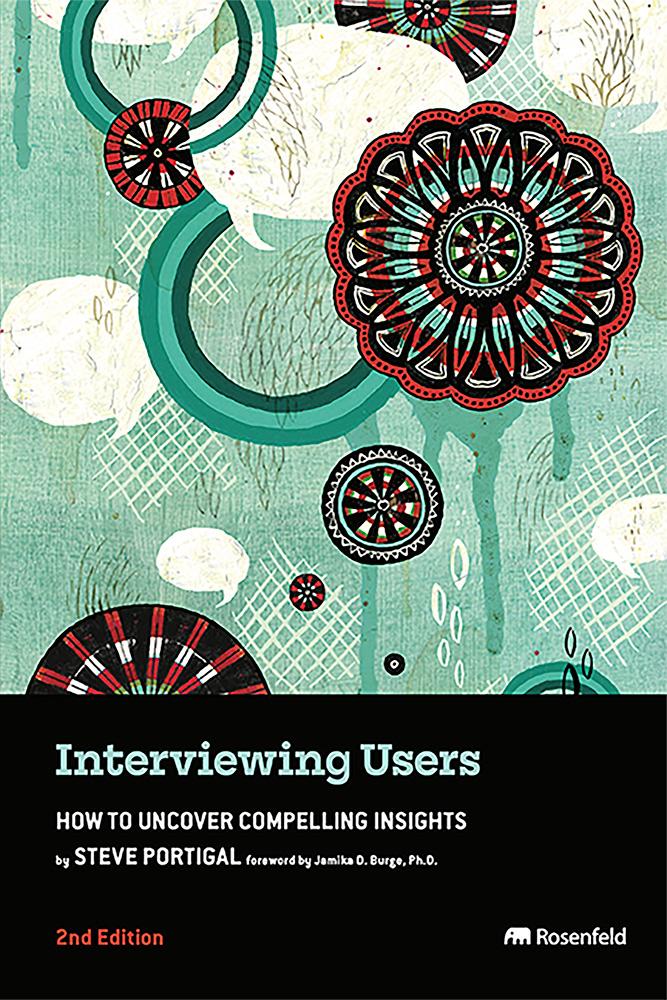
In this new and updated edition of the acclaimed classic Interviewing Users, Steve Portigal quickly and effectively dispels the myth that interviewing is trivial. He shows how research studies and logistics can be used to determine concrete goals for a business and takes the reader on a detailed journey into the specifics of interviewing techniques, best practices, fieldwork, documentation, and how to make sense of uncovered data. Then Steve takes the process even further―showing the methods and details behind asking questions―from the words themselves to the interviewer’s actions and how they influence an interview. There is even a chapter on making sure that information gleaned from the research study is used by the business in such a way to make it impactful and worthwhile. Oh, and for good measure he throws in information about Research Operations.
But, hey, that’s just the nuts and bolts of the book. The truly fun part is Steve’s voice and how he portrays this information through amusing anecdotes about his career, fascinating examples from other practitioners, and tips and tricks that only the most experienced UX researchers, like Steve, could come up with. As a nod to the pandemic, he offers ideas for the best way to interview someone remotely, and he also discusses personal bias―how to identify and deal with it so that it doesn’t affect interviews.
Everyone will get something from this book. But beyond the requisite information, it’s simply a good read. And if you want another good read with stories galore, pick up Steve’s other book Doorbells, Danger, and Dead Batteries.
"Quite simply the best book on when, why, and how you should conduct user interview studies."
—Elizabeth F. Churchill, PhD, Senior Director, Google
Before Memmo my notes were scattered across PDFs. Now a workspace pulls everything into one place — I see exactly what's still left to study.
Memmo's summaries are gold before exams. I don't have to re-read 800 pages two weeks before — just the important parts.
The AI chat has saved me the night before an exam more than once. I just keep asking until I get it — no waiting on a study group to reply.
The quizzes hit exactly what I need to know. Memmo tracks what I get stuck on — so I only practice what's worth it.
Flashcards with spaced repetition are magic. Memmo knows when I'm about to forget something and brings it back.
The AI podcasts are my favorite. I listen on my way to school and get a recap without sitting at a computer.

Handbok i kvalitativa metoder
281 kr

Hållbar utveckling: en introduktion för ingenjörer och andra problemlösare
334 kr

Brymans Samhällsvetenskapliga metoder
390 kr

Projektledning
491 kr

Den orättvisa hälsan: om socioekonomiska skillnader i hälsa och livslängd
326 kr

Vetenskapsteori för nybörjare
196 kr

Organizational Leadership
429 kr

På väg mot läraryrket
172 kr

Det sociala livet i skolan: Socialpsykologiska perspektiv
253 kr

Betygsättningens didaktik
151 kr

Personality
402 kr

Studying Leadership
404 kr

Managing Innovation
477 kr

Introduktion till samhällsvetenskaplig metod
347 kr

The Psychology of Sex and Gender
698 kr

Evidens och kunskap för socialt arbete
207 kr

Introduction to Leadership
605 kr