
Before Memmo my notes were scattered across PDFs. Now a workspace pulls everything into one place — I see exactly what's still left to study.
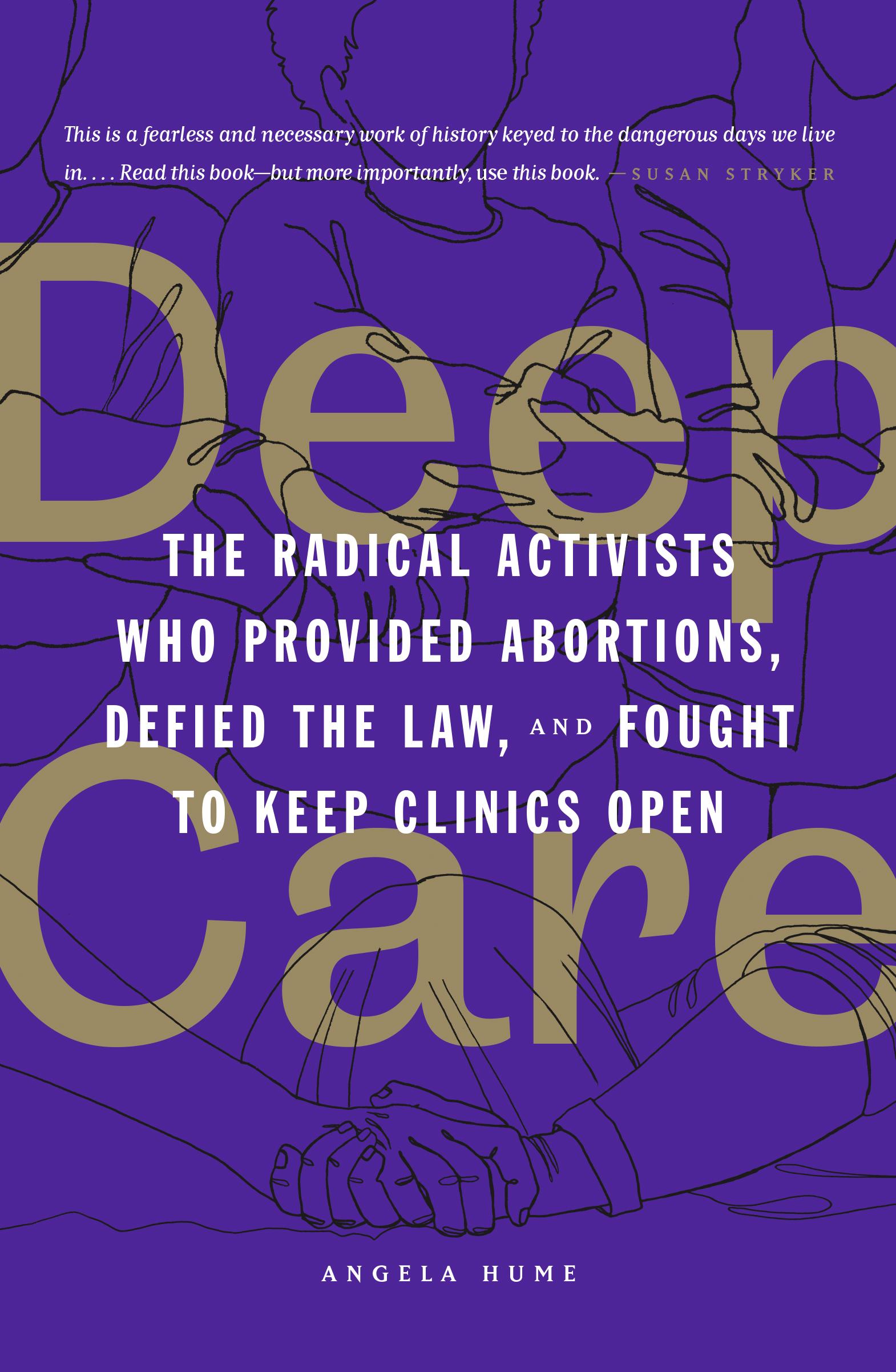
The story of the radical feminist networks who worked outside the law to defend abortion.
Starting in the 1970s, small groups of feminist activists met regularly to study anatomy, practice pelvic exams on each other, and learn how to safely perform a procedure known as menstrual extraction, which can empty the contents of the uterus in case of pregnancy using equipment that can be easily bought and assembled at home. This “self-help” movement grew into a robust national and international collaboration of activists and health workers determined to ensure access to reproductive healthcare, including abortion, at all costs—to the point of learning how to do the necessary steps themselves.
Even after abortion was legalized in 1973 with Roe v. Wade, activists continued meeting, studying, and teaching these skills, reshaping their strategies alongside decades of changing legal, medical, and cultural landscapes such as the legislative war against abortion rights, the AIDS epidemic, and the rise of anti-abortion domestic terrorism in the 1980s and 90s. The movement’s drive to keep abortion accessible led to the first clinic defense mobilizations against anti-abortion extremists trying to force providers to close their doors. From the self-help movement sprang a constellation of licensed feminist healthcare clinics, community programs to promote reproductive health, even the nation’s first known-donor sperm bank, all while fighting the oppression of racism, poverty, and gender violence.
Deep Care follows generations of activists and clinicians who orbited the Women's Choice clinic in Oakland from the early 1970s until 2010, as they worked underground and above ground, in small cells and broad coalitions and across political movements with grit, conviction, and allegiances of great trust to do what they believed needed to be done—despite the law, when required. Grounded in interviews of activists sharing details of their work for the first time, Angela Hume retells three decades of this critical, if under-recognized story of the radical edge of the abortion movement. These lessons are more pertinent than ever following the Supreme Court’s 2022 Dobbs v. Jackson decision and the devastation to abortion access nationwide.
Before Memmo my notes were scattered across PDFs. Now a workspace pulls everything into one place — I see exactly what's still left to study.
Memmo's summaries are gold before exams. I don't have to re-read 800 pages two weeks before — just the important parts.
The AI chat has saved me the night before an exam more than once. I just keep asking until I get it — no waiting on a study group to reply.
The quizzes hit exactly what I need to know. Memmo tracks what I get stuck on — so I only practice what's worth it.
Flashcards with spaced repetition are magic. Memmo knows when I'm about to forget something and brings it back.
The AI podcasts are my favorite. I listen on my way to school and get a recap without sitting at a computer.

Handbok i kvalitativa metoder
281 kr

Hållbar utveckling: en introduktion för ingenjörer och andra problemlösare
334 kr

Brymans Samhällsvetenskapliga metoder
390 kr

Projektledning
491 kr

Den orättvisa hälsan: om socioekonomiska skillnader i hälsa och livslängd
326 kr

Vetenskapsteori för nybörjare
196 kr

Organizational Leadership
429 kr

På väg mot läraryrket
172 kr

Det sociala livet i skolan: Socialpsykologiska perspektiv
253 kr

Betygsättningens didaktik
151 kr

Personality
402 kr

Studying Leadership
404 kr

Managing Innovation
477 kr

Introduktion till samhällsvetenskaplig metod
347 kr

The Psychology of Sex and Gender
698 kr

Evidens och kunskap för socialt arbete
207 kr

Introduction to Leadership
605 kr