
Before Memmo my notes were scattered across PDFs. Now a workspace pulls everything into one place — I see exactly what's still left to study.
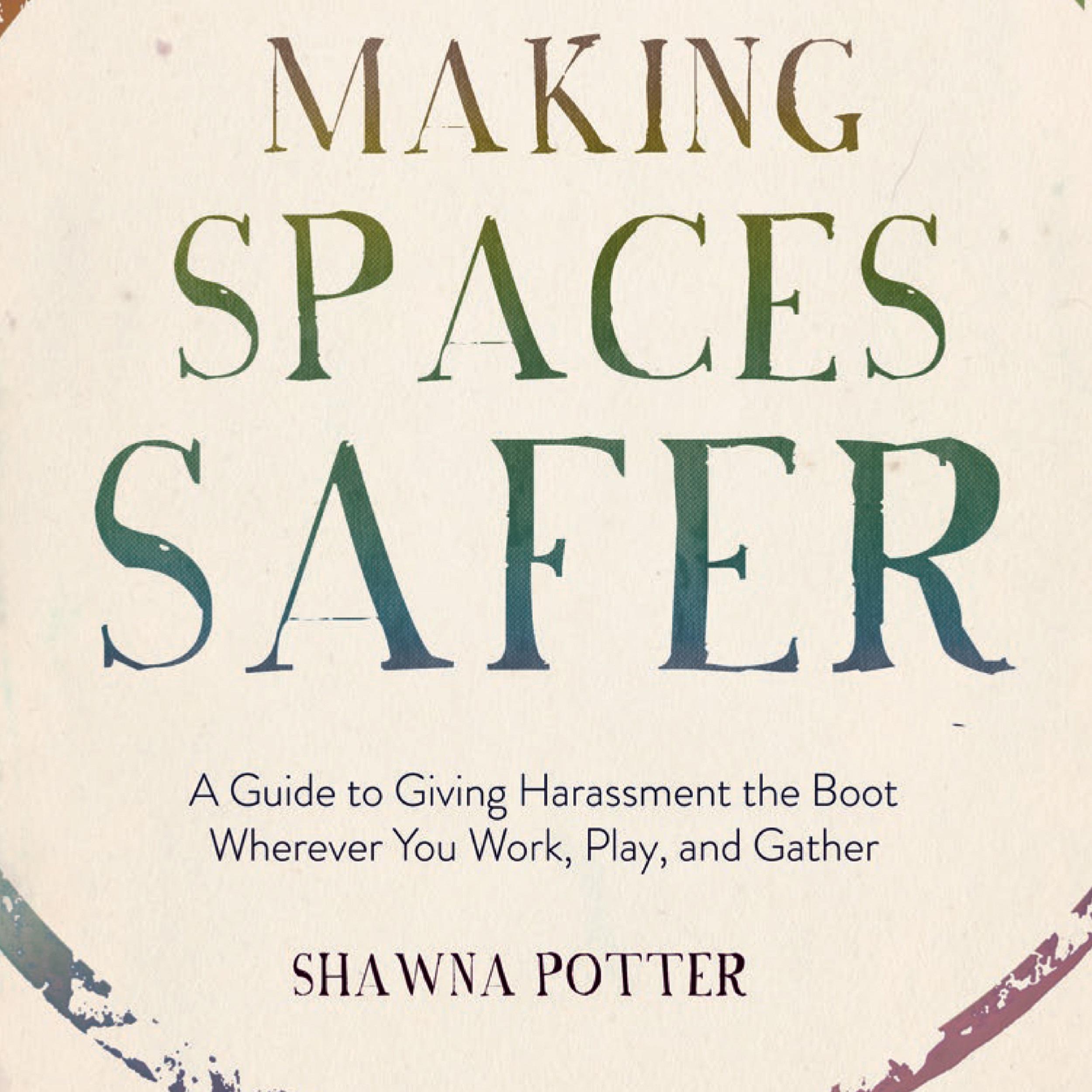
Excerpt from chapter 2
TAKE A VICTIM-CENTERED APPROACH
So now you’ve got your policies in place, your signage posted, and you’re ready for everyone to show up and have a great time. Fantastic! Now comes the real work: being ready to handle incidents of harassment and violence in a victim-centered way that does not escalate the situation. Ready?
If you are going to advertise that you are a safer space, you’d better be one. The real work is done in the moment, when someone trusts you enough to say “I was just harassed.” By handling these moments in a victim-centered way, you ensure continued trust. This section guides you through the basics of how to address harassment in your space. While reading, think about how you can apply these ideas to your unique space. These techniques become easier and feel more natural with repetition so practice them with co-workers, or take a bystander intervention workshop.
LISTEN, ACT, CHECK IN
Keep in mind: you are not a cop, a counselor, or a judge. You are not there to take a testimony or find someone guilty. You are only there to support the victim by validating their experience and doing what is reasonably within your power to help them feel safe.
Listen
First, and most importantly: believe the victim. Listen and validate. Use active listening skills like making gentle eye contact, nodding your head, and mirroring their language. Acknowledge that you’re sorry they experienced something that made them feel unsafe, thank them for telling you, and assure them that since you’re a safer space, you’ll handle the situation so they can keep on enjoying their time. Are they unable to tell you what’s going on? Unresponsive or sobbing uncontrollably? They might be in crisis. When someone is in “crisis mode,” they are not in the present moment with you. They are reliving a past trauma. You need them to communicate with you in order for you to help them, so you’ll need to get them back to the present with grounding techniques. It’s an effective tactic whether they’ve been harassed, were just in a car accident, or are having a panic attack. Use one of these three grounding techniques:
Things to keep in mind: it’s important to avoid touching someone in crisis unless they reach out for you. Be aware of power dynamics in these situations. If they were just assaulted by someone who looks like you, you might not be the best person to calm them down. You can circumvent this issue by delegating (getting someone else to ground them).
Act
Now that you’ve made sure the victim is not in crisis and you’ve actively listened to them, you can take action. In the Safer Spaces Program I co-created in Baltimore, we came up with the idea of giving the victim three options. It’s empowering for the victim to decide how they want the situation handled, while still limiting their choices to actions you can realistically take. Even if the victim doesn’t feel it necessary for action to be taken (sometimes people just want to be heard), it helps them to feel safe knowing you were willing to take action. Also, it’s easy for both the victim and the staff to remember!
The Three Options
“I can keep an eye on the person”
This is not an excuse to profile people of color or make someone uncomfortable who might already feel unwelcome. You will continue to provide the same good service to this alleged harasser, just like you would a bad tipper or close-talker. This accusation is just something to keep in mind in case the bad behavior repeats or gets worse.
“I can talk to the person”
Assure the victim you’ll wait until the coast is clear before speaking to the alleged harasser so as not to betray their privacy. Approach the harasser calmly and politely, letting them know that the behavior in question is not cool in your space. It’s fine to give them the benefit of the doubt, let them know someone “interpreted” their behavior in a creepy or threatening way, and you are just giving them a heads up so they don’t “accidentally” do it again. Focus on the behavior, not the person. By giving them an out and allowing them to save face, you decrease the chances of escalating the situation. End it by pointing to your policy on the wall (because you already have one by now, right?) and telling them where you’ll be all night if they need anything or have any questions. This subtly lets them know you will be keeping a gentle eye on them and that they cannot repeat their inappropriate behavior and expect to be allowed to stay.
“I can kick the person out”
“You’re not banned for life, but you gotta go now. You did something against our safer space policy, so I gotta ask you to leave.” If you need to, you can always offer to refund their money, call them a cab, whatever, just stay calm and get them outside and on their way. Most spaces I train automatically go to this option if someone has been inappropriately touched without consent.
It’s not a bad idea to let another co-worker or volunteer know you’re about to approach an alleged harasser. They can look out for you if the situation escalates, or keep an eye on the person when you inevitably leave to use the bathroom or get caught up in another task.
Check In
Don’t forget to follow up with the victim. If possible, just a quick “You still good? OK, just let me know if anything else comes up” will suffice. If there was a big scene (like a harasser yelling loudly, or being escorted out by security), it’s helpful to address the crowd. For example, “Sorry everyone! Not sure what their problem was, but they’re gone now. Please let any staff member know if you have any issues here—we don’t tolerate harassment.” is type of statement, just like your signage, is as much for potential victims as it is for potential harassers. And it goes a long way toward clearing the air if a friendly demeanor was used to get the aggressive person out (in order to prevent escalating the situation), as victims could understandably misinterpret your intentions.
Before Memmo my notes were scattered across PDFs. Now a workspace pulls everything into one place — I see exactly what's still left to study.
Memmo's summaries are gold before exams. I don't have to re-read 800 pages two weeks before — just the important parts.
The AI chat has saved me the night before an exam more than once. I just keep asking until I get it — no waiting on a study group to reply.
The quizzes hit exactly what I need to know. Memmo tracks what I get stuck on — so I only practice what's worth it.
Flashcards with spaced repetition are magic. Memmo knows when I'm about to forget something and brings it back.
The AI podcasts are my favorite. I listen on my way to school and get a recap without sitting at a computer.

Handbok i kvalitativa metoder
281 kr

Hållbar utveckling: en introduktion för ingenjörer och andra problemlösare
334 kr

Brymans Samhällsvetenskapliga metoder
390 kr

Projektledning
491 kr

Den orättvisa hälsan: om socioekonomiska skillnader i hälsa och livslängd
326 kr

Organizational Leadership
429 kr

Vetenskapsteori för nybörjare
196 kr

På väg mot läraryrket
172 kr

Det sociala livet i skolan: Socialpsykologiska perspektiv
253 kr

Betygsättningens didaktik
151 kr

Personality
402 kr

Studying Leadership
404 kr

Managing Innovation
477 kr

Introduktion till samhällsvetenskaplig metod
347 kr

The Psychology of Sex and Gender
698 kr

Evidens och kunskap för socialt arbete
207 kr

Introduction to Leadership
605 kr