
Before Memmo my notes were scattered across PDFs. Now a workspace pulls everything into one place — I see exactly what's still left to study.
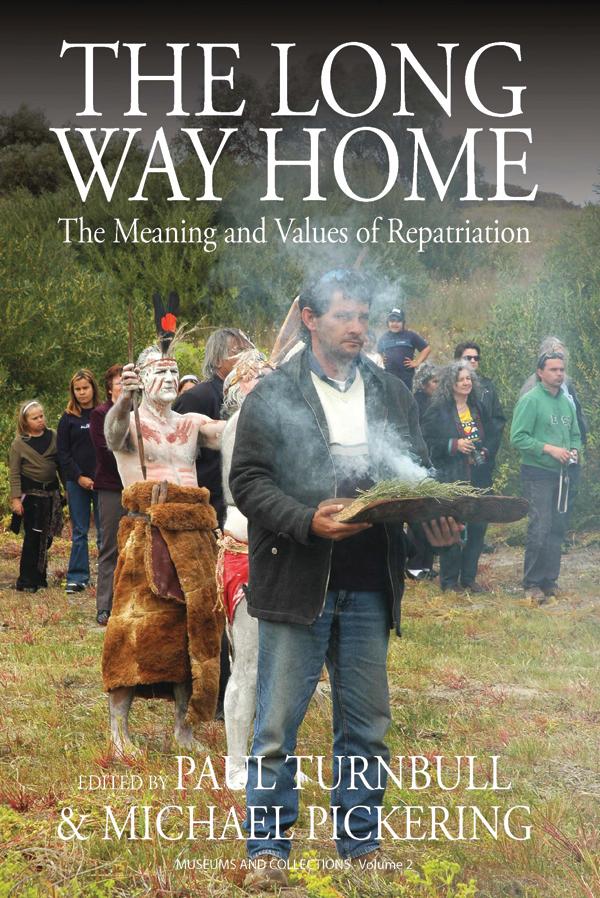
Indigenous peoples have long sought the return of ancestral human remains and associated artifacts from western museums and scientific institutions. Since the late 1970s their efforts have led museum curators and researchers to re-evaluate their practices and policies in respect to the scientific uses of human remains. New partnerships have been established between cultural and scientific institutions and indigenous communities. Human remains and culturally significant objects have been returned to the care of indigenous communities, although the fate of bones and burial artifacts in numerous collections remains unresolved and, in some instances, the subject of controversy. In this book, leading researchers from a wide range of disciplines in the humanities and social sciences reflect critically on the historical, cultural, ethical and scientific dimensions of repatriation. Through various case studies they consider the impact of repatriation: what have been the benefits, and in what ways has repatriation given rise to new problems for indigenous people, scientists and museum personnel. It features chapters by indigenous knowledge custodians, who reflect upon recent debates and interaction between indigenous people and researchers in disciplines with direct interests in the continued scientific preservation of human remains.
In this book, leading researchers from a wide range of disciplines in the humanities and social sciences reflect critically on the historical, cultural, ethical and scientific dimensions of repatriation. Through various case studies they consider the impact of repatriation: what have been the benefits, and in what ways has repatriation given rise to new problems for indigenous people, scientists and museum personnel. It features chapters by indigenous knowledge custodians, who reflect upon recent debates and interaction between indigenous people and researchers in disciplines with direct interests in the continued scientific preservation of human remains.
Before Memmo my notes were scattered across PDFs. Now a workspace pulls everything into one place — I see exactly what's still left to study.
Memmo's summaries are gold before exams. I don't have to re-read 800 pages two weeks before — just the important parts.
The AI chat has saved me the night before an exam more than once. I just keep asking until I get it — no waiting on a study group to reply.
The quizzes hit exactly what I need to know. Memmo tracks what I get stuck on — so I only practice what's worth it.
Flashcards with spaced repetition are magic. Memmo knows when I'm about to forget something and brings it back.
The AI podcasts are my favorite. I listen on my way to school and get a recap without sitting at a computer.

Handbok i kvalitativa metoder
281 kr

Hållbar utveckling: en introduktion för ingenjörer och andra problemlösare
334 kr

Brymans Samhällsvetenskapliga metoder
390 kr

Projektledning
491 kr

Den orättvisa hälsan: om socioekonomiska skillnader i hälsa och livslängd
326 kr

Vetenskapsteori för nybörjare
196 kr

Organizational Leadership
429 kr

På väg mot läraryrket
172 kr

Det sociala livet i skolan: Socialpsykologiska perspektiv
253 kr

Betygsättningens didaktik
151 kr

Personality
402 kr

Studying Leadership
404 kr

Managing Innovation
477 kr

Introduktion till samhällsvetenskaplig metod
347 kr

The Psychology of Sex and Gender
698 kr

Evidens och kunskap för socialt arbete
207 kr

Introduction to Leadership
605 kr