
Before Memmo my notes were scattered across PDFs. Now a workspace pulls everything into one place — I see exactly what's still left to study.
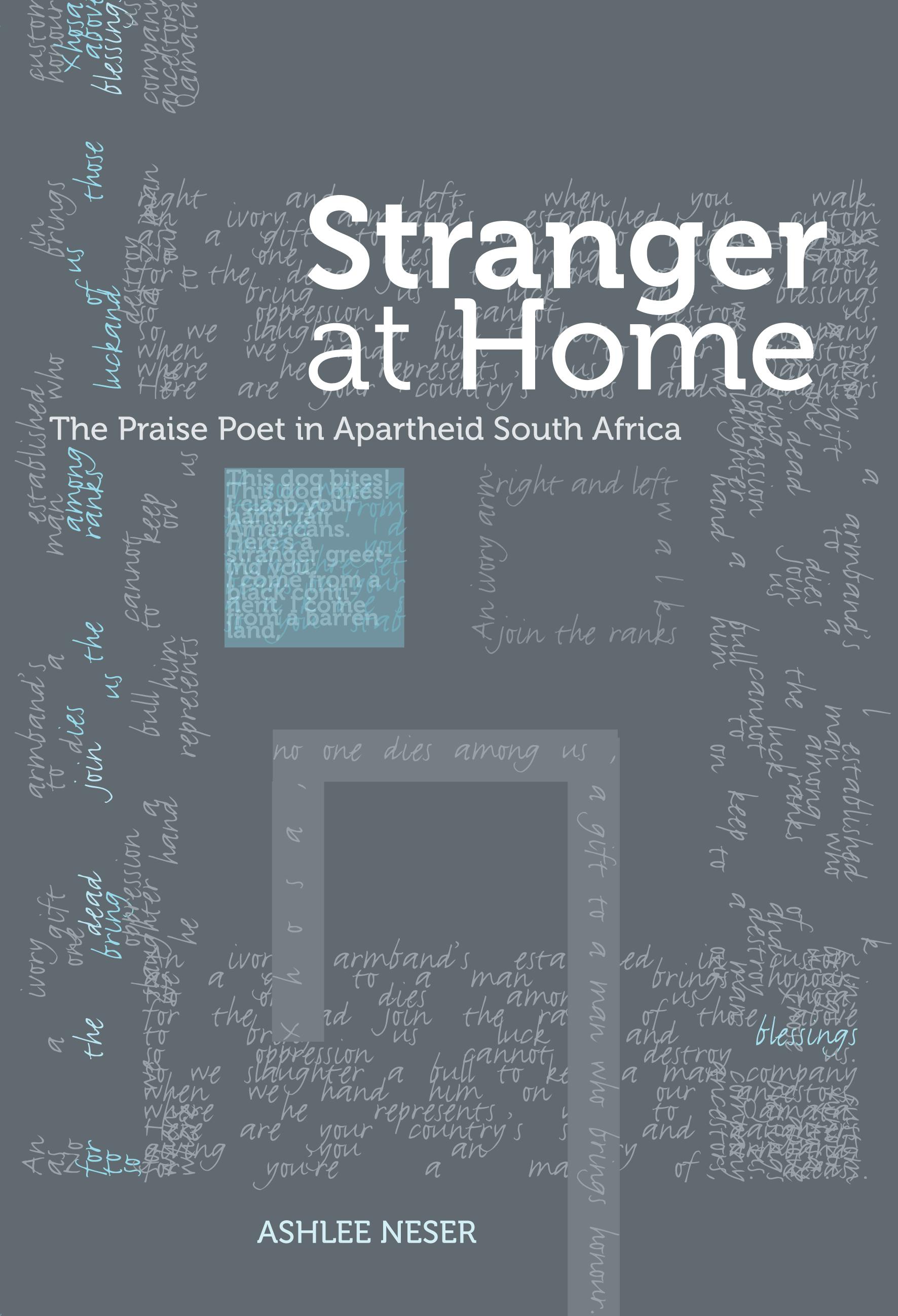
This book is about the poetry, vision and deeply inhospitable context of one of South Africas most talented praise poets.
The praise poet (imbongi) is a familiar cultural icon in contemporary South Africa. Public events as diverse as presidential inaugurations, openings of parliament, fashion shows and boxing contests begin with the rousing declamations of charismatic iimbongi. Yet until the institution of majority-rule, praise poets who sought to shock their audiences with dangerous truths could claim none of the prestige enjoyed by their present-day counterparts. Under apartheid, many praise poets either ceased to perform or abandoned the imbongi?s duty to diagnose and criticize political and social ills. There was, however, one brilliant Xhosa imbongi called David Manisi, a poet widely acclaimed in his youth as the successor to the great SEK Mqhayi, who refused to capitulate to the ease of silence or complicity. As documented by Jeff Opland in The Dassie and the Hunter (UKZN Press), Manisi worked tirelessly and in embattled contexts to address his audiences with demands, criticisms and aspirations they frequently misunderstood. The author of five volumes of Xhosa poetry and performer of inspired and elegantly crafted izibongo (praise poems), Manisi saw himself as a man of multiple places, allegiances and identities at a time when these markers of self were rigidly policed. Manisi's entrance on the local Transkeian poetry scene was legendary. He was for a time the most famous poet in Kaiser Mathanzima's court. He also wrote the first published poem about Nelson Mandela in 1954, hailing him prophetically as 'Gleaming Road'. Despite these early accomplishments, Manisi ended his career as a lonely performer in American and South African universities. He never met Mandela, his hero of old.
Ashlee Neser examines Manisi as an inventive negotiator of rural and urban spaces, modernity and tradition, performance and publication, the local and the foreign.
Before Memmo my notes were scattered across PDFs. Now a workspace pulls everything into one place — I see exactly what's still left to study.
Memmo's summaries are gold before exams. I don't have to re-read 800 pages two weeks before — just the important parts.
The AI chat has saved me the night before an exam more than once. I just keep asking until I get it — no waiting on a study group to reply.
The quizzes hit exactly what I need to know. Memmo tracks what I get stuck on — so I only practice what's worth it.
Flashcards with spaced repetition are magic. Memmo knows when I'm about to forget something and brings it back.
The AI podcasts are my favorite. I listen on my way to school and get a recap without sitting at a computer.

Handbok i kvalitativa metoder
281 kr

Hållbar utveckling: en introduktion för ingenjörer och andra problemlösare
334 kr

Brymans Samhällsvetenskapliga metoder
390 kr

Projektledning
491 kr

Den orättvisa hälsan: om socioekonomiska skillnader i hälsa och livslängd
326 kr

Organizational Leadership
429 kr

Vetenskapsteori för nybörjare
196 kr

På väg mot läraryrket
172 kr

Det sociala livet i skolan: Socialpsykologiska perspektiv
253 kr

Betygsättningens didaktik
151 kr

Personality
402 kr

Studying Leadership
404 kr

Managing Innovation
477 kr

Introduktion till samhällsvetenskaplig metod
347 kr

The Psychology of Sex and Gender
698 kr

Evidens och kunskap för socialt arbete
207 kr

Introduction to Leadership
605 kr