
Before Memmo my notes were scattered across PDFs. Now a workspace pulls everything into one place — I see exactly what's still left to study.
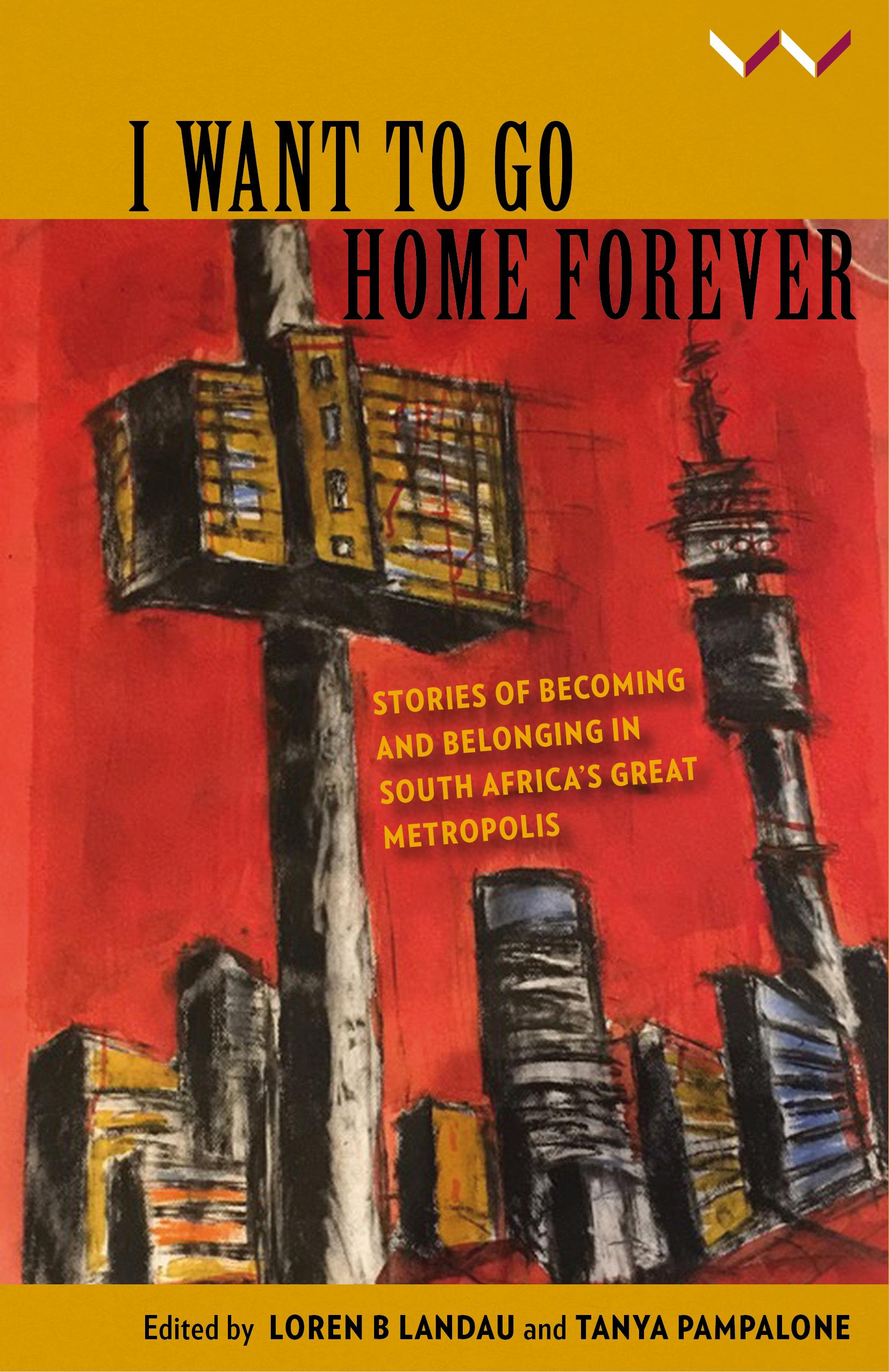
Thirteen true stories about xenophobia and belonging in Johannesburg
Generations of people from across Africa, Europe and Asia have turned metal from the depths of the earth into Africa’s wealthiest, most dynamic and most diverse urban centre, a mega-city where post-apartheid South Africa is being made. Yet for newcomers as well as locals, the golden possibilities of Gauteng are tinged with dangers and difficulties.
Chichi is a hairdresser from Nigeria who left for South Africa after a love affair went bad. Azam arrived from Pakistan with a modest wad of cash and a dream. Estiphanos trekked the continent escaping political persecution in Ethiopia, only to become the target of the May 2008 xenophobic attacks.
Nombuyiselo is the mother of 14-year-old Simphiwe Mahori, shot dead in 2015 by a Somalian shopkeeper in Snake Park, sparking a further wave of anti-foreigner violence. After fighting white oppression for decades, Ntombi has turned her anger towards African foreigners, who, she says are taking jobs away from South Africans and fuelling crime. Papi, a freedom fighter and activist in Katlehong, now dedicates his life to teaching the youth in his community that tolerance is the only way forward.
These are some of the thirteen stories that make up this collection. They are the stories of South Africans, some Gauteng-born, others from neighbouring provinces, striving to realise the promises of democracy. They are also the stories of newcomers, from neighbouring countries and from as far afield as Pakistan and Rwanda, seeking a secure future in those very promises.
The narratives, collected by researchers, journalists and writers, reflect the many facets of South Africa’s post-apartheid decades. Taken together they give voice to the emotions and relations emanating from a paradoxical place of outrage and hope, violence and solidarity. They speak of intersections between people and their pasts, and of how, in the making of selves and the other they are also shaping South Africa. Underlying these accounts is a nostalgia for an imagined future that can never be realised. These are stories of forever seeking a place called ‘home’.
Before Memmo my notes were scattered across PDFs. Now a workspace pulls everything into one place — I see exactly what's still left to study.
Memmo's summaries are gold before exams. I don't have to re-read 800 pages two weeks before — just the important parts.
The AI chat has saved me the night before an exam more than once. I just keep asking until I get it — no waiting on a study group to reply.
The quizzes hit exactly what I need to know. Memmo tracks what I get stuck on — so I only practice what's worth it.
Flashcards with spaced repetition are magic. Memmo knows when I'm about to forget something and brings it back.
The AI podcasts are my favorite. I listen on my way to school and get a recap without sitting at a computer.

Handbok i kvalitativa metoder
281 kr

Hållbar utveckling: en introduktion för ingenjörer och andra problemlösare
334 kr

Brymans Samhällsvetenskapliga metoder
390 kr

Projektledning
491 kr

Den orättvisa hälsan: om socioekonomiska skillnader i hälsa och livslängd
326 kr

Vetenskapsteori för nybörjare
196 kr

Organizational Leadership
429 kr

På väg mot läraryrket
172 kr

Det sociala livet i skolan: Socialpsykologiska perspektiv
253 kr

Betygsättningens didaktik
151 kr

Personality
402 kr

Studying Leadership
404 kr

Managing Innovation
477 kr

Introduktion till samhällsvetenskaplig metod
347 kr

The Psychology of Sex and Gender
698 kr

Evidens och kunskap för socialt arbete
207 kr

Introduction to Leadership
605 kr