
Before Memmo my notes were scattered across PDFs. Now a workspace pulls everything into one place — I see exactly what's still left to study.
The history of dress in the South African bush
To dress is a uniquely human experience, but practices and meanings of dress vary greatly among people. In a Western cultural tradition, the practice of dressing ‘properly’ has for centuries distinguished ‘civilised’ people from ‘savages’. Through travel literature and historical ethnographic descriptions of the Bushmen of southern Africa, such perceptions and prejudices have made their mark also on the modern research tradition. Because Bushmen were widely considered to be ‘nearly naked’ the study of dress has played a limited part in academic writings on Bushman culture.
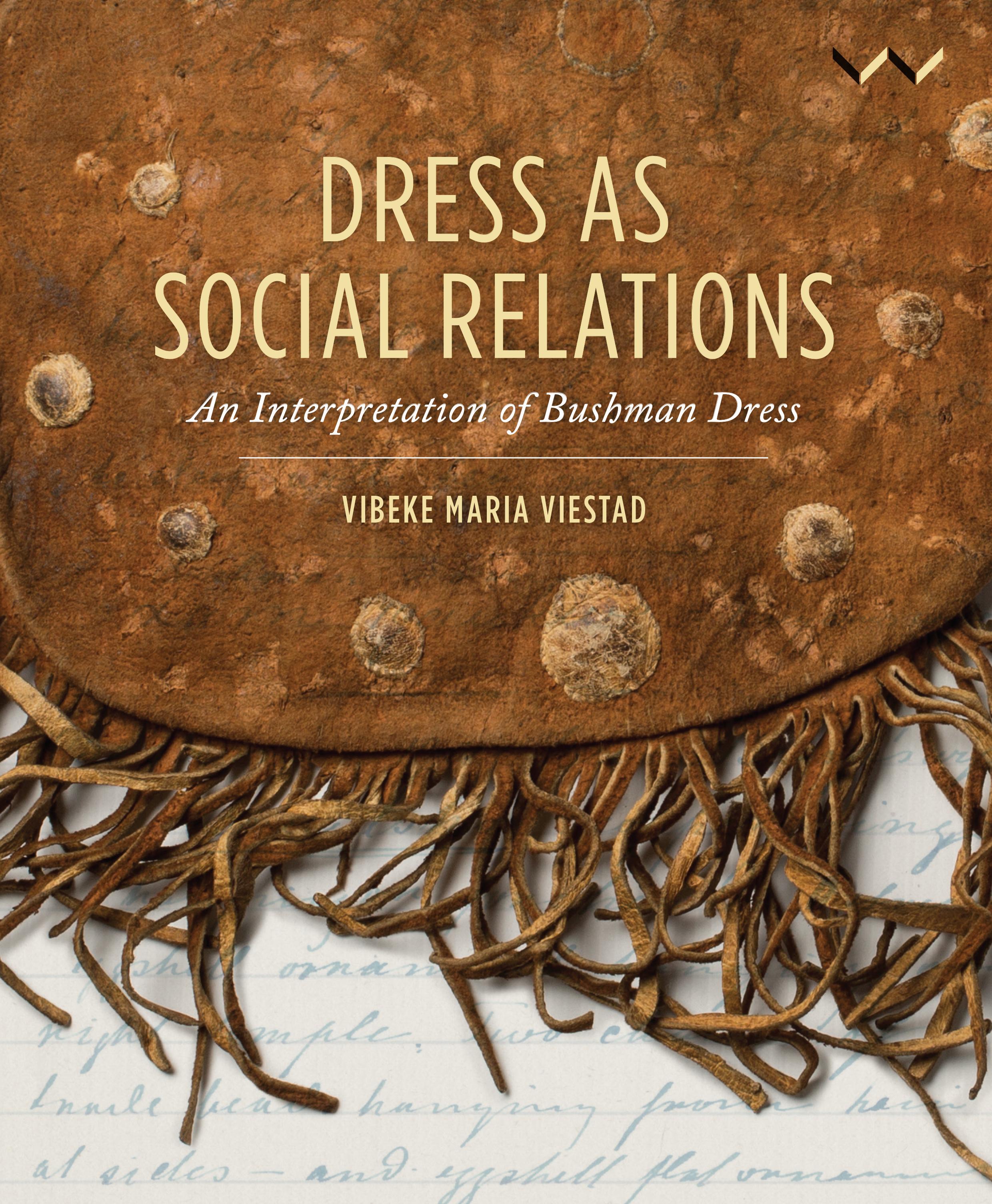
In Dress as Social Relations, Vibeke Maria Viestad challenges this myth of the nearly naked Bushman and provides an interdisciplinary study of Bushman dress, as it is represented in the archives and material culture of historical Bushman communities. Maintaining a critical perspective, Viestad provides an interpretation of the significance of dress for historical Bushman people. Dress, she argues, formed an embodied practice of social relations between humans, animals and other powerful beings of the Bushman world; moreover, this complex and meaningful practice was intimately related to subsistence strategies and social identity. The historical collections under scrutiny present a wide variety of research material representing different aspects of the bodily practice of dress. Whereas the Bleek & Lloyd archive of oral myths and narratives has become renowned for its great research potential, the artefact collections of Dorothea Bleek and Louis Fourie are much less known and have not earlier been published in a richly illustrated and comprehensive way.
Dress as Social Relations is aimed at scholars and students of archaeology, anthropology, material culture studies, dress studies, ethnographic studies, museology, culture historical studies and African studies, but will also be of interest to people of descendant communities.
Before Memmo my notes were scattered across PDFs. Now a workspace pulls everything into one place — I see exactly what's still left to study.
Memmo's summaries are gold before exams. I don't have to re-read 800 pages two weeks before — just the important parts.
The AI chat has saved me the night before an exam more than once. I just keep asking until I get it — no waiting on a study group to reply.
The quizzes hit exactly what I need to know. Memmo tracks what I get stuck on — so I only practice what's worth it.
Flashcards with spaced repetition are magic. Memmo knows when I'm about to forget something and brings it back.
The AI podcasts are my favorite. I listen on my way to school and get a recap without sitting at a computer.

Handbok i kvalitativa metoder
281 kr

Hållbar utveckling: en introduktion för ingenjörer och andra problemlösare
334 kr

Brymans Samhällsvetenskapliga metoder
390 kr

Projektledning
491 kr

Den orättvisa hälsan: om socioekonomiska skillnader i hälsa och livslängd
326 kr

Organizational Leadership
429 kr

Vetenskapsteori för nybörjare
196 kr

På väg mot läraryrket
172 kr

Det sociala livet i skolan: Socialpsykologiska perspektiv
253 kr

Betygsättningens didaktik
151 kr

Personality
402 kr

Studying Leadership
404 kr

Managing Innovation
477 kr

Introduktion till samhällsvetenskaplig metod
347 kr

The Psychology of Sex and Gender
698 kr

Evidens och kunskap för socialt arbete
207 kr

Introduction to Leadership
605 kr