
Before Memmo my notes were scattered across PDFs. Now a workspace pulls everything into one place — I see exactly what's still left to study.
A study of the rhetorical power of shame and its effect on reproductive politics
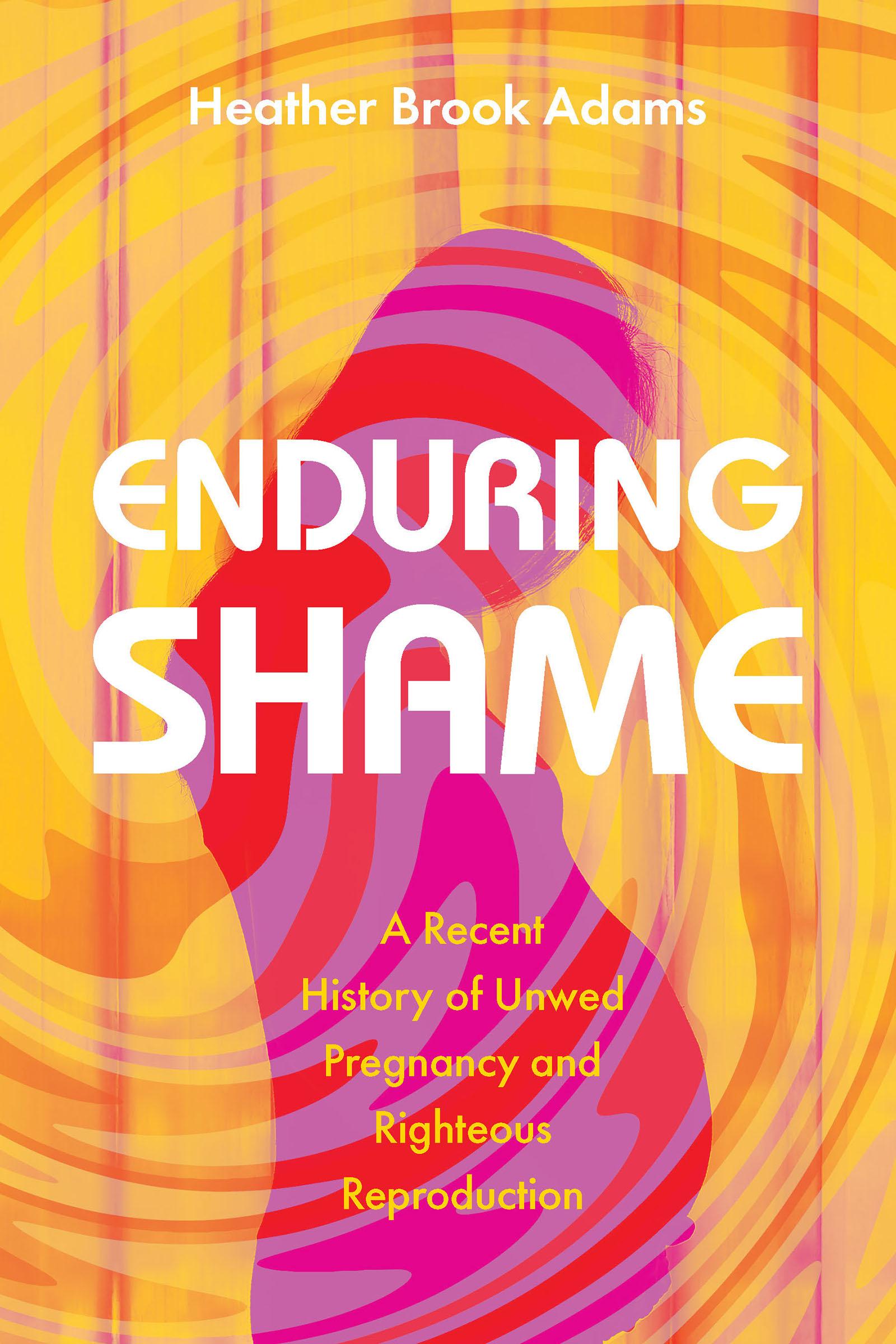
Not long ago, unmarried pregnant women in the United States hid in maternity homes and relinquished their "illegitimate" children to more "deserving" two-parent families—all to conceal "shameful" pregnancies. Although times have changed, reproductive politics remain fraught. In Enduring Shame Heather Brook Adams recasts the 1960s and '70s—an era of presumed progress—as a time when expanding reproductive rights were paralleled by communicative practices of shame that cultivated increasingly public interventions into unwed and teen pregnancy and new forms of injustice.
Drawing from personal interviews, archival documents, legal decisions, public policy, journalism, memoirs, and advocacy writing, Adams articulates how the rhetorical power of shame persuaded the American public to think about reproduction, sexual righteousness, and unwed pregnancy. Despite the aspirational goals of reproductive liberation, public sentiment frequently reflected supremacist beliefs regarding racial, economic, and moral fitness—notions that informed new public policy. Enduring Shame maps a range of experiences across these decades from women's experiences in homes for unwed mothers to policy and legal changes that are typically understood as proof of shame's dissipation, including Title IX legislation and Roe v. Wade. Rhetorical historiography and questions of reproductive justice guide the analysis, and women's testimonies provide essential perspectives and context. Through these histories, Adams articulates a network of language, affect, and embodiment through which shame moves; expands rhetorical understandings of the discursive power of the identities of woman and mother; and considers how the gendered, raced, and classed aspects of shame can help us understand and support reproductive dignity.
Enduring Shame recovers a misunderstood part of women's recent history by considering why reproductive politics continue to be so volatile despite previous gains and why shame still figures centrally in discourse about women's reproductive and sexual freedoms.
Before Memmo my notes were scattered across PDFs. Now a workspace pulls everything into one place — I see exactly what's still left to study.
Memmo's summaries are gold before exams. I don't have to re-read 800 pages two weeks before — just the important parts.
The AI chat has saved me the night before an exam more than once. I just keep asking until I get it — no waiting on a study group to reply.
The quizzes hit exactly what I need to know. Memmo tracks what I get stuck on — so I only practice what's worth it.
Flashcards with spaced repetition are magic. Memmo knows when I'm about to forget something and brings it back.
The AI podcasts are my favorite. I listen on my way to school and get a recap without sitting at a computer.

Handbok i kvalitativa metoder
281 kr

Hållbar utveckling: en introduktion för ingenjörer och andra problemlösare
334 kr

Brymans Samhällsvetenskapliga metoder
390 kr

Projektledning
491 kr

Den orättvisa hälsan: om socioekonomiska skillnader i hälsa och livslängd
326 kr

Vetenskapsteori för nybörjare
196 kr

Organizational Leadership
429 kr

På väg mot läraryrket
172 kr

Det sociala livet i skolan: Socialpsykologiska perspektiv
253 kr

Betygsättningens didaktik
151 kr

Personality
402 kr

Studying Leadership
404 kr

Managing Innovation
477 kr

Introduktion till samhällsvetenskaplig metod
347 kr

The Psychology of Sex and Gender
698 kr

Evidens och kunskap för socialt arbete
207 kr

Introduction to Leadership
605 kr