
Before Memmo my notes were scattered across PDFs. Now a workspace pulls everything into one place — I see exactly what's still left to study.
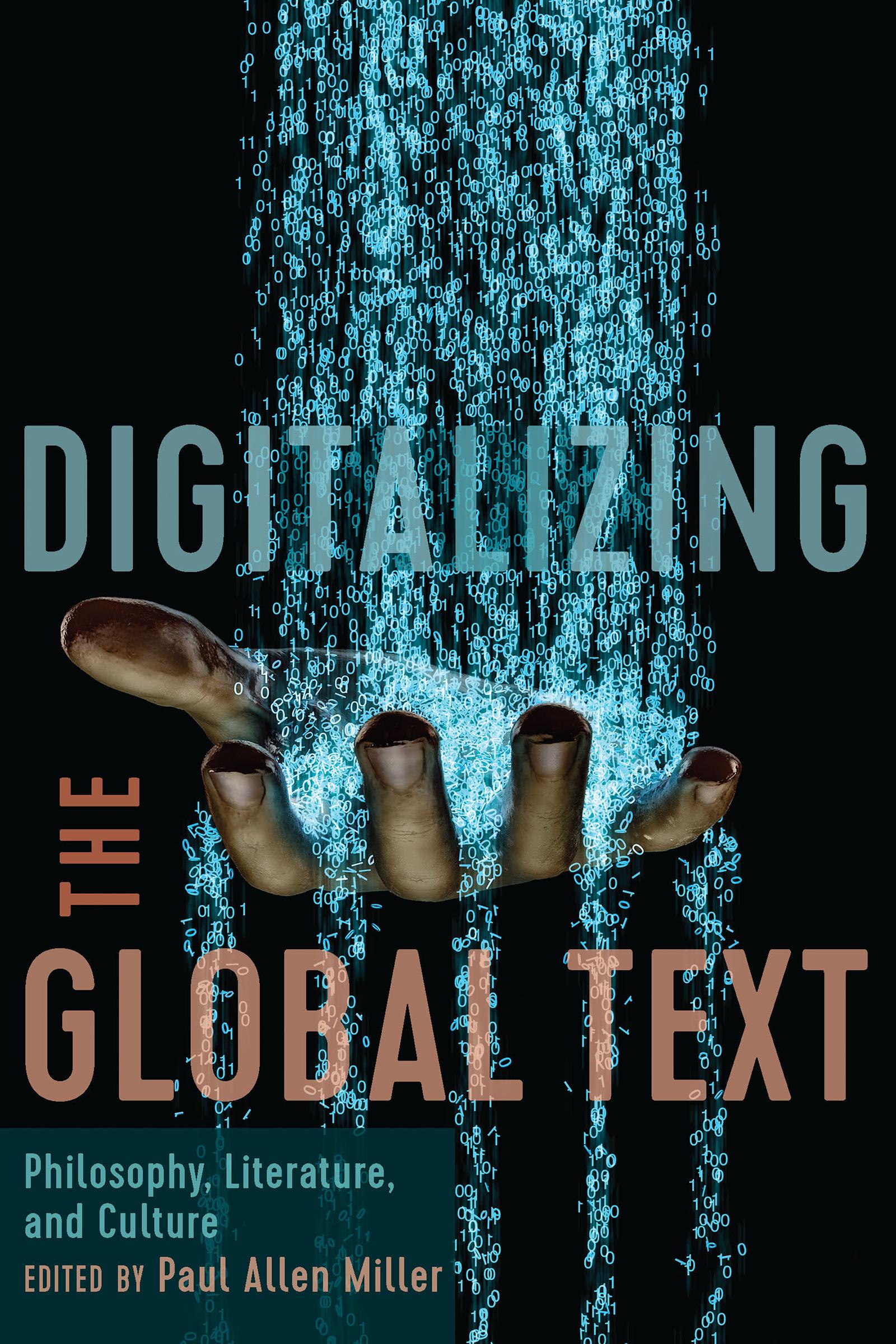
A few years ago globalism seemed to be both a known and inexorable phenomenon. With the end of the Cold War, the opening of the Chinese economy, and the ascendancy of digital technology, the prospect of a unified flow of goods and services and of people and ideas seemed unstoppable. Political theorists such as Francis Fukuyama proclaimed that we had reached "the end of history." Yes, there were pockets of resistance and reaction, but these, we were told, would be swept away in a relentless tide of free markets and global integration that would bring Hollywood, digital finance, and fast food to all. Religious fundamentalism, nationalism, and traditional sexual identities would melt away before the forces of "modernity" and empire. A relentless, technocratic rationality would sweep all in its wake, bringing a neoliberal utopia of free markets, free speech, and increasing productivity.
Nonetheless, as we have begun to experience the backlash against a global world founded on digital fungibility, the perils of appeals to nationalism, identity, and authenticity have become only too apparent. The collapse of Soviet Communism left an ideological vacuum that offered no recognized place from which to oppose global capitalism. What is the alternative? The anxieties and resentments produced by this new world order among those left behind are often manifested in assertions of xenophobia and particularity. This is what it supposedly means to be really American, truly Muslim, properly Chinese. The "other" is coming to take what is ours, and we must "defend" ourselves.
Digitalizing the Global Text is a collection of essays by an international group of scholars situated squarely at this nexus of forces. Together these writers examine how literature, culture, and philosophy in the global and digital age both enable the creation of these simultaneously utopian and dystopian worlds and offer a resistance to them.
A joint publication from the University of South Carolina Press and the National Taiwan University Press.
Before Memmo my notes were scattered across PDFs. Now a workspace pulls everything into one place — I see exactly what's still left to study.
Memmo's summaries are gold before exams. I don't have to re-read 800 pages two weeks before — just the important parts.
The AI chat has saved me the night before an exam more than once. I just keep asking until I get it — no waiting on a study group to reply.
The quizzes hit exactly what I need to know. Memmo tracks what I get stuck on — so I only practice what's worth it.
Flashcards with spaced repetition are magic. Memmo knows when I'm about to forget something and brings it back.
The AI podcasts are my favorite. I listen on my way to school and get a recap without sitting at a computer.

Handbok i kvalitativa metoder
281 kr

Hållbar utveckling: en introduktion för ingenjörer och andra problemlösare
334 kr

Brymans Samhällsvetenskapliga metoder
390 kr

Projektledning
491 kr

Den orättvisa hälsan: om socioekonomiska skillnader i hälsa och livslängd
326 kr

Organizational Leadership
429 kr

Vetenskapsteori för nybörjare
196 kr

På väg mot läraryrket
172 kr

Det sociala livet i skolan: Socialpsykologiska perspektiv
253 kr

Betygsättningens didaktik
151 kr

Personality
402 kr

Studying Leadership
404 kr

Managing Innovation
477 kr

Introduktion till samhällsvetenskaplig metod
347 kr

The Psychology of Sex and Gender
698 kr

Evidens och kunskap för socialt arbete
207 kr

Introduction to Leadership
605 kr