
Before Memmo my notes were scattered across PDFs. Now a workspace pulls everything into one place — I see exactly what's still left to study.
“I think because of the racism that existed on the reservations we were continuously reminded that we were different. We internalized this idea that we were less than white kids, that we were not as capable,” says Chris Meyer, part of Upward Bound’s inaugural group and the first Coeur d’Alene tribal member to receive a Ph.D.
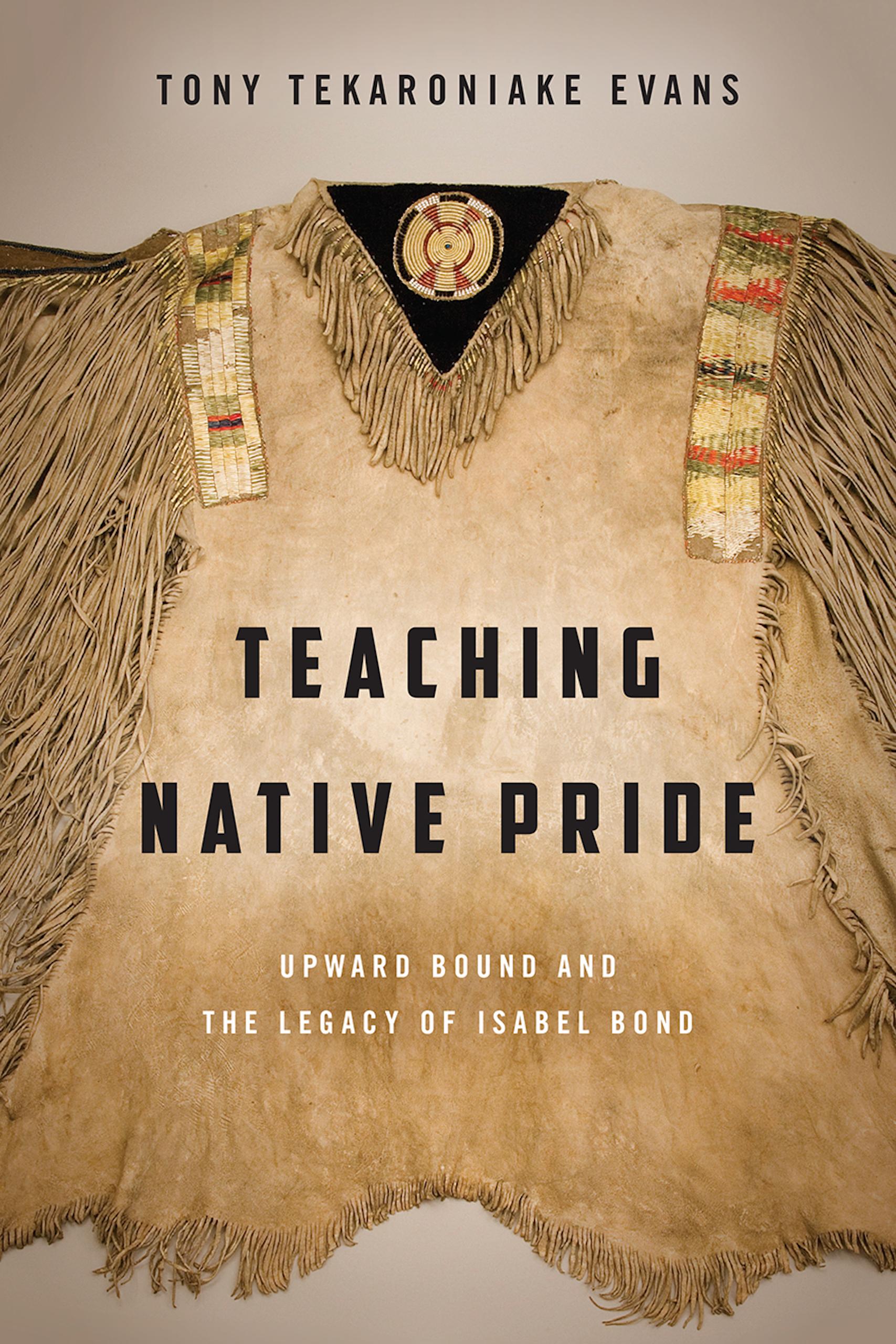
Based on more than thirty interviews with students and staff, Teaching Native Pride employs both Native and non-Native voices to tell the story of the University of Idaho’s Upward Bound program. Their personal anecdotes and memories intertwine with accounts of the program’s inception and goals, as well as regional tribal history and Isabel Bond’s Idaho family history.
A federally sponsored program dedicated to helping low-income and at-risk students attend college, Upward Bound came to Moscow, Idaho, in 1969. Isabel Bond became director in the early 1970s and led the program there for more than three decades. Those who enrolled in the experimental initiative--part of Lyndon B. Johnson’s War on Poverty--were required to live within a 200-mile radius and be the first in their family to pursue a college degree. Living on the University of Idaho campus each summer, they received six weeks of intensive instruction.
Recognizing that most participants came from nearby Nez Perce and Coeur d’Alene communities, Bond and her teachers designed a curriculum that celebrated and incorporated their Native American heritage--one that offers insights for educators today. Many of the young people they taught overcame significant personal and academic challenges to earn college degrees. Native students broke cycles of poverty, isolation, and disenfranchisement that arose from a legacy of colonial conquest, and non-Indians gained a new respect for Idaho’s first peoples. Today, Upward Bounders serve as teachers, community leaders, entrepreneurs, and social workers, bringing positive change to future generations.
Before Memmo my notes were scattered across PDFs. Now a workspace pulls everything into one place — I see exactly what's still left to study.
Memmo's summaries are gold before exams. I don't have to re-read 800 pages two weeks before — just the important parts.
The AI chat has saved me the night before an exam more than once. I just keep asking until I get it — no waiting on a study group to reply.
The quizzes hit exactly what I need to know. Memmo tracks what I get stuck on — so I only practice what's worth it.
Flashcards with spaced repetition are magic. Memmo knows when I'm about to forget something and brings it back.
The AI podcasts are my favorite. I listen on my way to school and get a recap without sitting at a computer.

Handbok i kvalitativa metoder
281 kr

Hållbar utveckling: en introduktion för ingenjörer och andra problemlösare
334 kr

Brymans Samhällsvetenskapliga metoder
390 kr

Projektledning
491 kr

Den orättvisa hälsan: om socioekonomiska skillnader i hälsa och livslängd
326 kr

Organizational Leadership
429 kr

Vetenskapsteori för nybörjare
196 kr

På väg mot läraryrket
172 kr

Det sociala livet i skolan: Socialpsykologiska perspektiv
253 kr

Betygsättningens didaktik
151 kr

Personality
402 kr

Studying Leadership
404 kr

Managing Innovation
477 kr

Introduktion till samhällsvetenskaplig metod
347 kr

The Psychology of Sex and Gender
698 kr

Evidens och kunskap för socialt arbete
207 kr

Introduction to Leadership
605 kr