
Before Memmo my notes were scattered across PDFs. Now a workspace pulls everything into one place — I see exactly what's still left to study.
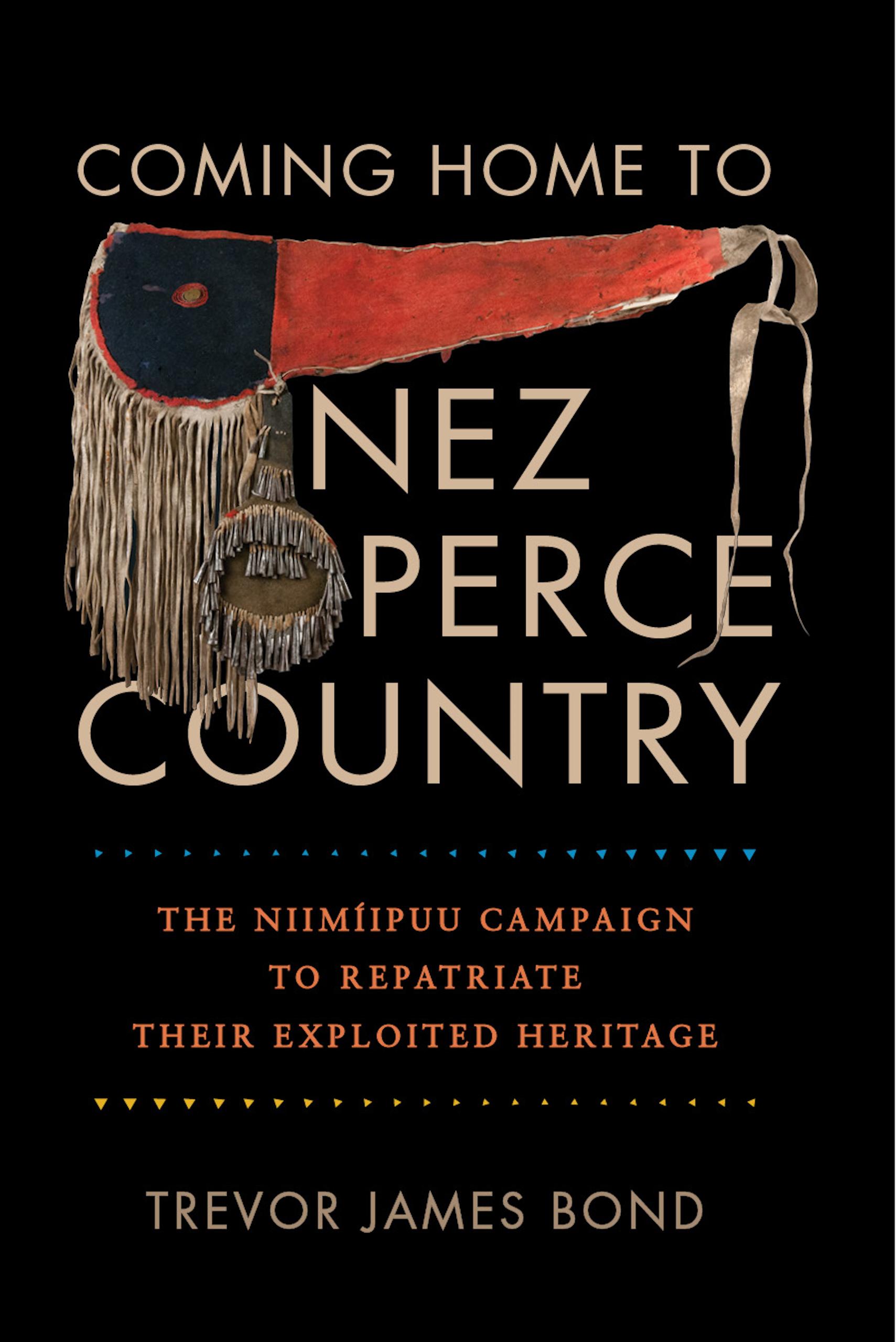
In 1847 two barrels of “Indian curiosities” shipped by missionary Henry Spalding to Dr. Dudley Allen arrived in Kinsman, Ohio. The items inside included exquisite Nez Perce shirts, dresses, baskets, and horse regalia--some decorated with porcupine quills and others with precious dentalium shells and rare elk teeth.
Donated to Oberlin College in 1893 and transferred to the Ohio Historical Society (OHS) in 1942, the Spalding-Allen Collection languished in storage until Nez Perce National Historic Park curators rediscovered it in 1976. The OHS loaned most of the artifacts to the National Park Service, where they received conservation treatment and were displayed in climate-controlled cases. Josiah Pinkham, Nez Perce Cultural Specialist, notes that they embody “the earliest and greatest centralization of ethnographic objects for the Nez Perce people. You don’t have a collection of this size, this age, anywhere else in the world.”
Twelve years later, the OHS abruptly recalled the collection. Eventually, under public pressure, they agreed to sell the articles to the Nez Perce at their full appraised value of $608,100, allowing just six months for payment. The tribe mounted a brilliant grassroots fundraising campaign, as well as a sponsorship drive for specific pieces. Schoolchildren, National Public Radio, artists, and musicians contributed. Major donors came forward, and one day before the deadline, the Nez Perce Tribe met their goal.
The author draws on interviews with Nez Perce experts and extensive archival research to tell the Spalding-Allen Collection story. He also examines the ethics of acquiring, bartering, owning, and selling Native cultural history, as Native American, First Nation, and Indigenous communities continue their efforts to restore their exploited cultural heritage from collectors and museums--pieces that are living, breathing, intimately connected to their home region, and inspirational for sustaining cultural traditions.
Before Memmo my notes were scattered across PDFs. Now a workspace pulls everything into one place — I see exactly what's still left to study.
Memmo's summaries are gold before exams. I don't have to re-read 800 pages two weeks before — just the important parts.
The AI chat has saved me the night before an exam more than once. I just keep asking until I get it — no waiting on a study group to reply.
The quizzes hit exactly what I need to know. Memmo tracks what I get stuck on — so I only practice what's worth it.
Flashcards with spaced repetition are magic. Memmo knows when I'm about to forget something and brings it back.
The AI podcasts are my favorite. I listen on my way to school and get a recap without sitting at a computer.

Handbok i kvalitativa metoder
281 kr

Hållbar utveckling: en introduktion för ingenjörer och andra problemlösare
334 kr

Brymans Samhällsvetenskapliga metoder
390 kr

Projektledning
491 kr

Den orättvisa hälsan: om socioekonomiska skillnader i hälsa och livslängd
326 kr

Organizational Leadership
429 kr

Vetenskapsteori för nybörjare
196 kr

På väg mot läraryrket
172 kr

Det sociala livet i skolan: Socialpsykologiska perspektiv
253 kr

Betygsättningens didaktik
151 kr

Personality
402 kr

Studying Leadership
404 kr

Managing Innovation
477 kr

Introduktion till samhällsvetenskaplig metod
347 kr

The Psychology of Sex and Gender
698 kr

Evidens och kunskap för socialt arbete
207 kr

Introduction to Leadership
605 kr