
Before Memmo my notes were scattered across PDFs. Now a workspace pulls everything into one place — I see exactly what's still left to study.
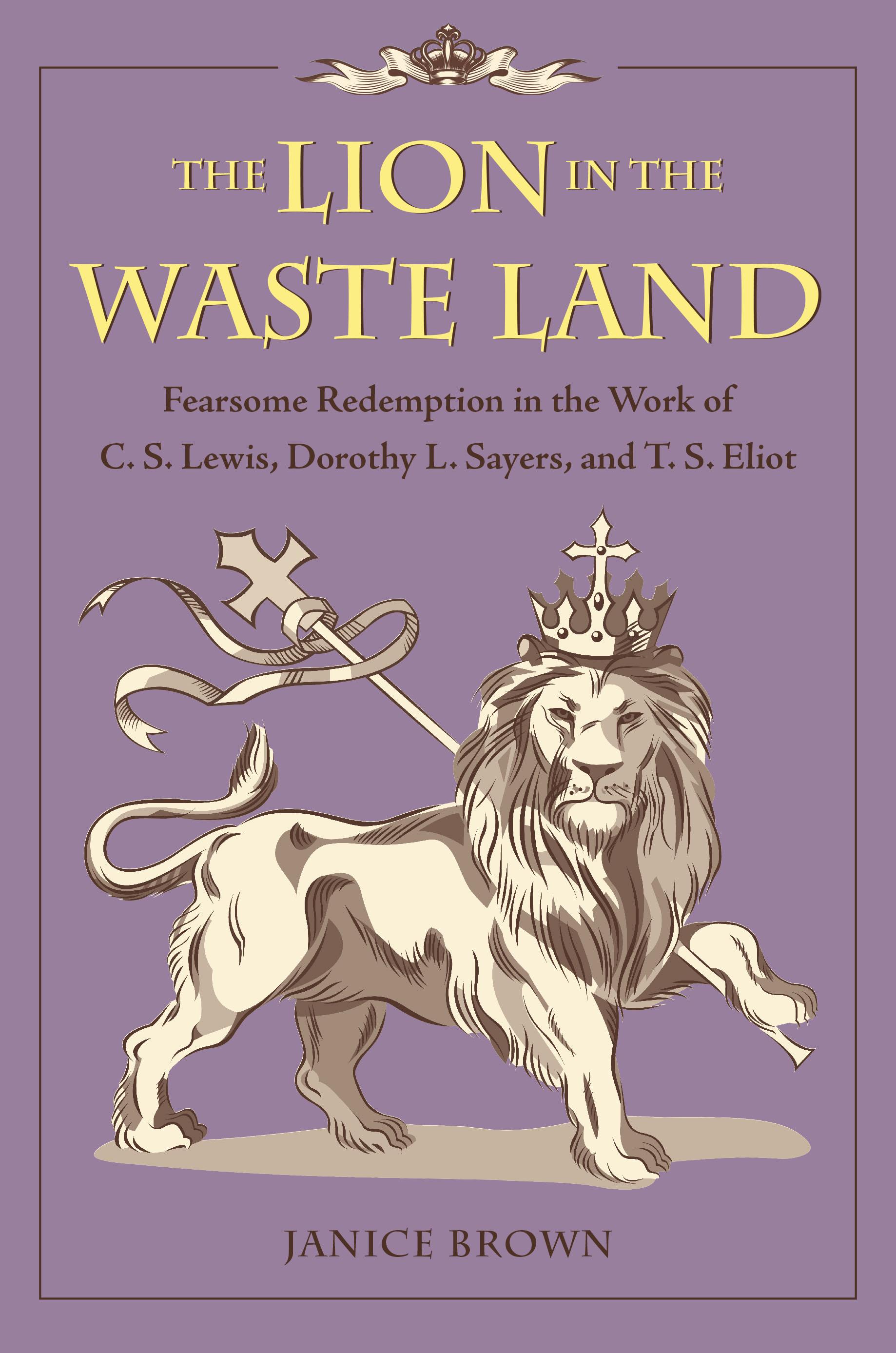
As bombs fell on London almost nightly from the autumn of 1940 through the summer of 1941, the lives of ordinary people were altered beyond recognition. A reclusive Oxford lecturer found himself speaking, not about Renaissance literature to a roomful of students but about Christian doctrine into a BBC microphone. A writer of popular fiction found herself exploring not the intricacies of the whodunit but the mysteries of suffering and grace. An erudite poet and literary critic found himself patrolling the dark streets and piecing together images of fire and redemption. C. S. Lewis, Dorothy L. Sayers, and T. S. Eliot became something they had not been before the war: bearers of a terrible, yet triumphant, message that people could not expect to be spared from pain and suffering, but they would be re- deemed through pain and suffering.
The Lion in the Waste Land initially explores the personal dynamic between these three writers and their misgivings about taking on the role of Christian apologist. Brown goes on to examine the congruency in their depictions of the nature of Christ, of conversion, and of angelic beings; and she highlights the similarity in their views of war and suffering, their portrayals of life as a pilgrimage to heaven, and their arguments for the value of walking in the “old paths” described in Scripture.
Eliot depicted the world as a treacherous Waste Land where spiritual quests are fraught with disappointment and danger. Sayers recognized that the message of redemption through Christ is a thing of terror. Lewis’s Narnia books depicted the nature of Christ through the lion Aslan, who is good but not safe. Brown contends that the works of these three authors also offer hope in the midst of adversity, because they recognize that although redemption is a fearsome thing—like the image of a lion—it is also glorious.
Before Memmo my notes were scattered across PDFs. Now a workspace pulls everything into one place — I see exactly what's still left to study.
Memmo's summaries are gold before exams. I don't have to re-read 800 pages two weeks before — just the important parts.
The AI chat has saved me the night before an exam more than once. I just keep asking until I get it — no waiting on a study group to reply.
The quizzes hit exactly what I need to know. Memmo tracks what I get stuck on — so I only practice what's worth it.
Flashcards with spaced repetition are magic. Memmo knows when I'm about to forget something and brings it back.
The AI podcasts are my favorite. I listen on my way to school and get a recap without sitting at a computer.

Handbok i kvalitativa metoder
281 kr

Hållbar utveckling: en introduktion för ingenjörer och andra problemlösare
334 kr

Brymans Samhällsvetenskapliga metoder
390 kr

Projektledning
491 kr

Den orättvisa hälsan: om socioekonomiska skillnader i hälsa och livslängd
326 kr

Vetenskapsteori för nybörjare
196 kr

Organizational Leadership
429 kr

På väg mot läraryrket
172 kr

Det sociala livet i skolan: Socialpsykologiska perspektiv
253 kr

Betygsättningens didaktik
151 kr

Personality
402 kr

Studying Leadership
404 kr

Managing Innovation
477 kr

Introduktion till samhällsvetenskaplig metod
347 kr

The Psychology of Sex and Gender
698 kr

Evidens och kunskap för socialt arbete
207 kr

Introduction to Leadership
605 kr