
Before Memmo my notes were scattered across PDFs. Now a workspace pulls everything into one place — I see exactly what's still left to study.
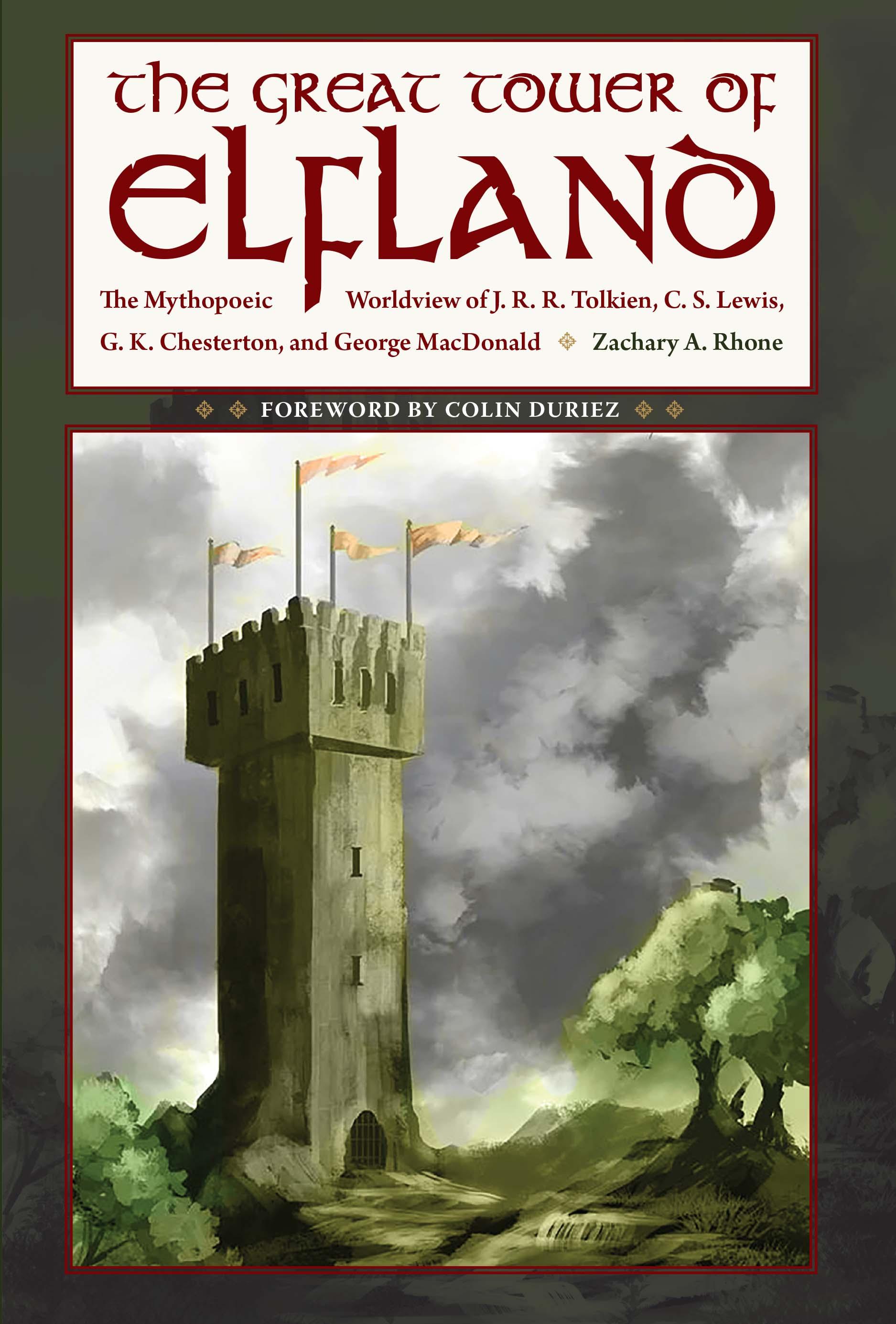
Beginning in the mid-1950s, scholars proposed that the Inklings were a unified group centered on fantasy, imagination, and Christianity.
Scholars and a few Inklings themselves supported the premise until 1978, when Humphrey Carpenter wrote the first major biography of the group, disputing a unified worldview. Carpenter dedicated an entire chapter to decry any theological or literary unity in the group, arguing disagreement in areas of Christian belief, literary criticism, views of myth, and writing style. Since Carpenter’s The Inklings, many analyses of the Inklings—and even their predecessors—have continued to show disunity rather than unity in the group.
This text overturns the misapplication of a divided worldview among two Inklings, J. R. R. Tolkien and C. S. Lewis, and their forerunners, G. K. Chesterton and George MacDonald. Analyzing their literary, scholarly, and interpersonal texts, The Great Tower of Elfland clarifies the unities of their thinking through five general categories: literature and language, humanism, philosophy of the personal journey, philosophy of history and civilization, and their Christian mythopoeia. After responding to scholarly arguments that diffuse worldviews, this text introduces some of the literary and interpersonal exchanges among the authors to demonstrate their relationships before examining the popular and lesser-known writings of each to clarify their literary and linguistic theoretical orientations.
Rhone analyzes the Renaissance-like Christian humanism of these authors, their belief that humans should care for animals and nature, and their assertion of fallen humanity. Next, he takes readers through Tolkien’s, Lewis’s, Chesterton’s, and MacDonald’s perspectives of the human journey, analyzing literary motifs of pathways in their texts, roads used to demonstrate their perceptions of free will, fate, and the accompanying discipleship of companions along the way. After noting the individual human journey, Rhone articulates the group’s vantages on humanity through civilization and barbarism, myth and science, and even political opinions. Finally, The Great Tower of Elfland recontextualizes the perspectives of MacDonald, Chesterton, Lewis, and Tolkien in lieu of their Christian mythopoeia, the point on which their unity hinges.
Before Memmo my notes were scattered across PDFs. Now a workspace pulls everything into one place — I see exactly what's still left to study.
Memmo's summaries are gold before exams. I don't have to re-read 800 pages two weeks before — just the important parts.
The AI chat has saved me the night before an exam more than once. I just keep asking until I get it — no waiting on a study group to reply.
The quizzes hit exactly what I need to know. Memmo tracks what I get stuck on — so I only practice what's worth it.
Flashcards with spaced repetition are magic. Memmo knows when I'm about to forget something and brings it back.
The AI podcasts are my favorite. I listen on my way to school and get a recap without sitting at a computer.

Handbok i kvalitativa metoder
281 kr

Hållbar utveckling: en introduktion för ingenjörer och andra problemlösare
334 kr

Brymans Samhällsvetenskapliga metoder
390 kr

Projektledning
491 kr

Den orättvisa hälsan: om socioekonomiska skillnader i hälsa och livslängd
326 kr

Vetenskapsteori för nybörjare
196 kr

Organizational Leadership
429 kr

På väg mot läraryrket
172 kr

Det sociala livet i skolan: Socialpsykologiska perspektiv
253 kr

Betygsättningens didaktik
151 kr

Personality
402 kr

Studying Leadership
404 kr

Managing Innovation
477 kr

Introduktion till samhällsvetenskaplig metod
347 kr

The Psychology of Sex and Gender
698 kr

Evidens och kunskap för socialt arbete
207 kr

Introduction to Leadership
605 kr