
Before Memmo my notes were scattered across PDFs. Now a workspace pulls everything into one place — I see exactly what's still left to study.
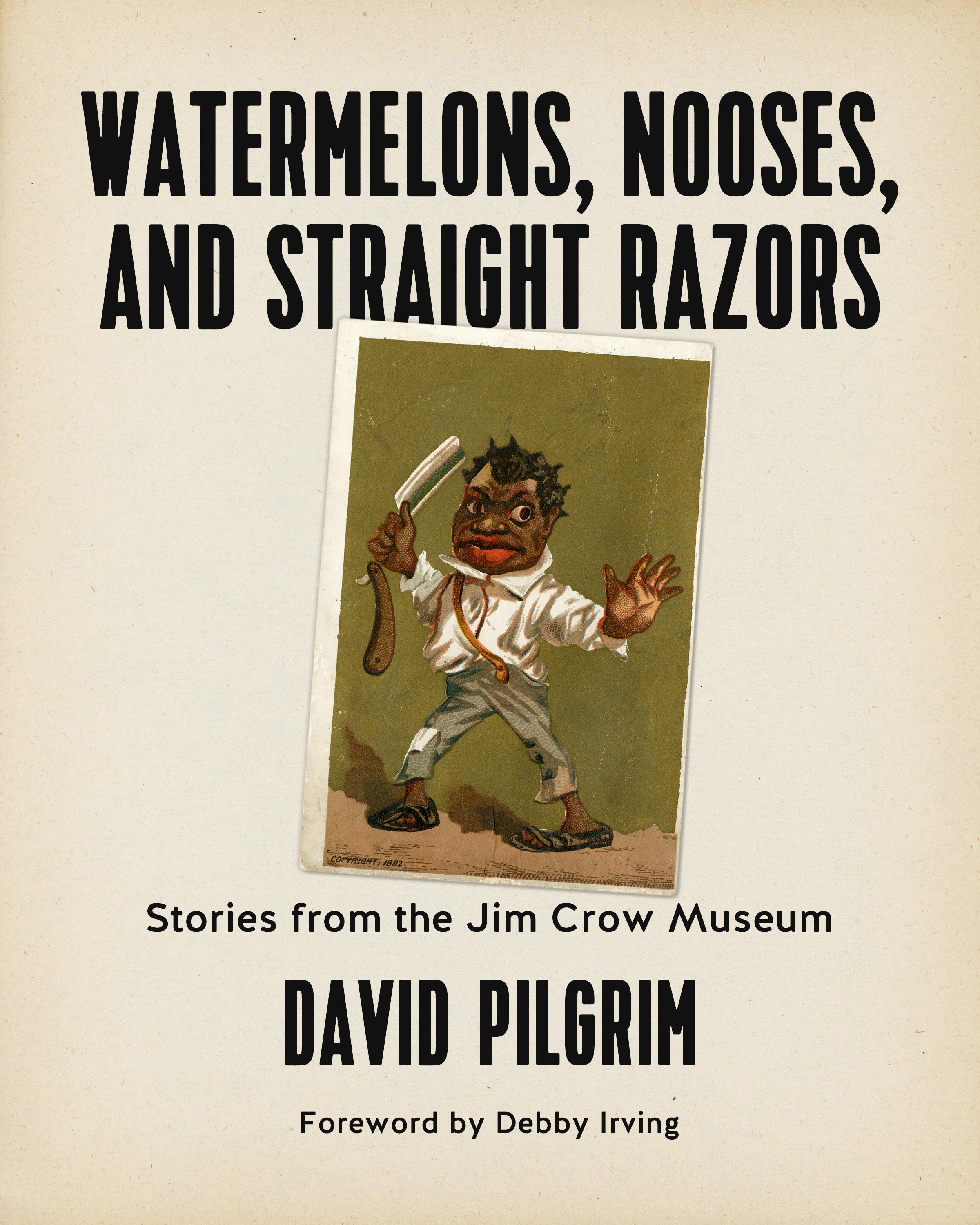
All groups tell stories, but some groups have the power to impose their stories on others, to label others, stigmatize others, paint others as undesirables—and to have these stories presented as scientific fact, God’s will, or wholesome entertainment. Watermelons, Nooses, and Straight Razors examines the origins and significance of several longstanding antiblack stories and the caricatures and stereotypes that support them. Here readers will find representations of the lazy, childlike Sambo, the watermelon-obsessed pickaninny, the buffoonish minstrel, the subhuman savage, the loyal and contented mammy and Tom, and the menacing, razor-toting coon and brute.
Malcolm X and James Baldwin both refused to eat watermelon in front of white people. They were aware of the jokes and other stories about African Americans stealing watermelons, fighting over watermelons, even being transformed into watermelons. Did racial stories influence the actions of white fraternities and sororities who dressed in blackface and mocked black culture, or employees who hung nooses in their workplaces? What stories did the people who refer to Serena Williams and other dark-skinned athletes as apes or baboons hear? Is it possible that a white South Carolina police officer who shot a fleeing black man had never heard stories about scary black men with straight razors or other weapons? Antiblack stories still matter.
Watermelons, Nooses, and Straight Razors uses images from the Jim Crow Museum, the nation’s largest publicly accessible collection of racist objects. These images are evidence of the social injustice that Martin Luther King Jr. referred to as “a boil that can never be cured so long as it is covered up but must be exposed to the light of human conscience and the air of national opinion before it can be cured.” Each chapter concludes with a story from the author’s journey, challenging the integrity of racial narratives.
Before Memmo my notes were scattered across PDFs. Now a workspace pulls everything into one place — I see exactly what's still left to study.
Memmo's summaries are gold before exams. I don't have to re-read 800 pages two weeks before — just the important parts.
The AI chat has saved me the night before an exam more than once. I just keep asking until I get it — no waiting on a study group to reply.
The quizzes hit exactly what I need to know. Memmo tracks what I get stuck on — so I only practice what's worth it.
Flashcards with spaced repetition are magic. Memmo knows when I'm about to forget something and brings it back.
The AI podcasts are my favorite. I listen on my way to school and get a recap without sitting at a computer.

Handbok i kvalitativa metoder
281 kr

Hållbar utveckling: en introduktion för ingenjörer och andra problemlösare
334 kr

Brymans Samhällsvetenskapliga metoder
390 kr

Projektledning
491 kr

Den orättvisa hälsan: om socioekonomiska skillnader i hälsa och livslängd
326 kr

Organizational Leadership
429 kr

Vetenskapsteori för nybörjare
196 kr

På väg mot läraryrket
172 kr

Det sociala livet i skolan: Socialpsykologiska perspektiv
253 kr

Betygsättningens didaktik
151 kr

Personality
402 kr

Studying Leadership
404 kr

Managing Innovation
477 kr

Introduktion till samhällsvetenskaplig metod
347 kr

The Psychology of Sex and Gender
698 kr

Evidens och kunskap för socialt arbete
207 kr

Introduction to Leadership
605 kr