
Before Memmo my notes were scattered across PDFs. Now a workspace pulls everything into one place — I see exactly what's still left to study.
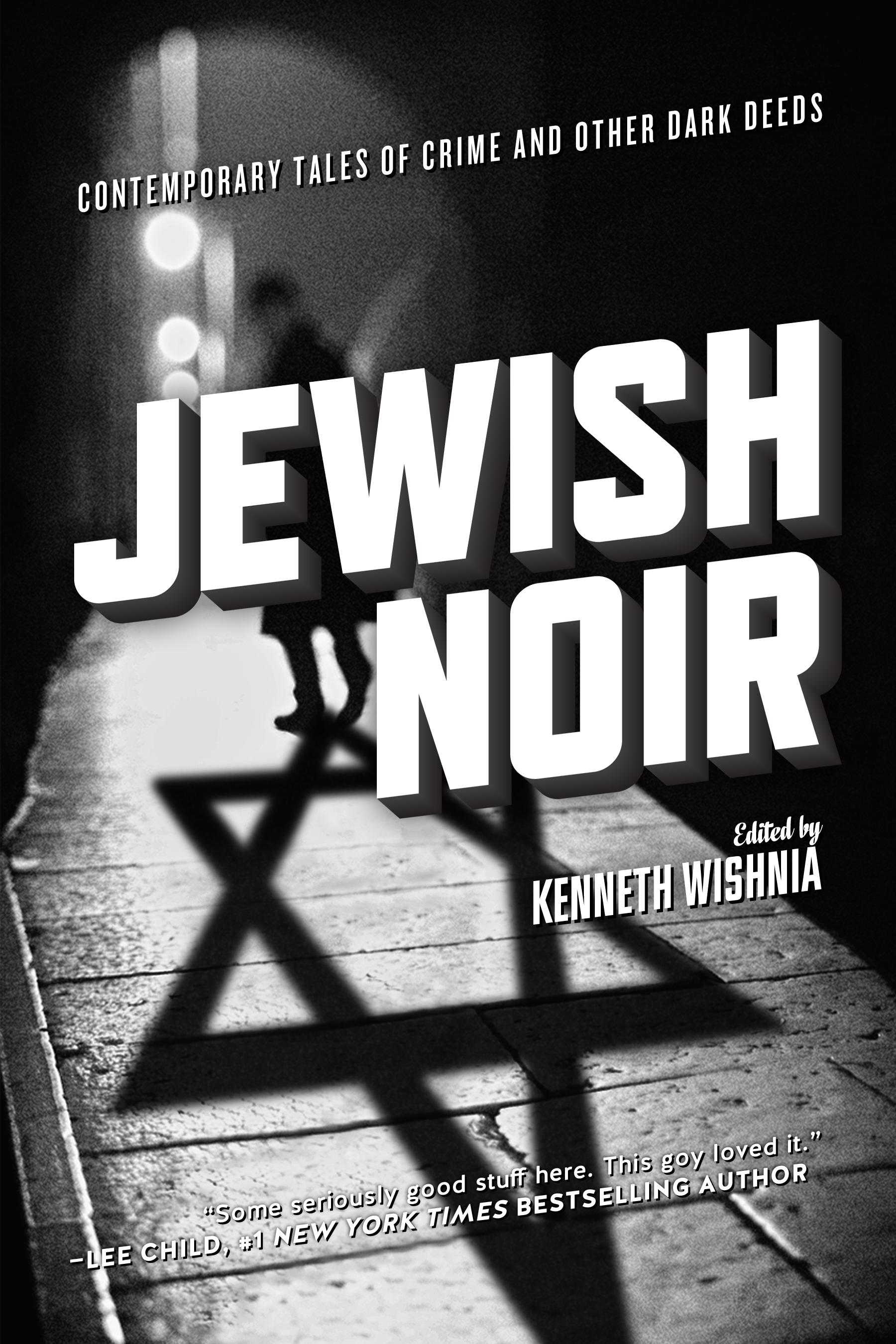
Jewish Noir is a unique collection of new stories by Jewish and non-Jewish literary and genre writers, including numerous award-winning authors such as Marge Piercy, Harlan Ellison, S.J. Rozan, Nancy Richler, Moe Prager (Reed Farrel Coleman), Wendy Hornsby, Charles Ardai, and Kenneth Wishnia. The stories explore such issues as the Holocaust and its long-term effects on subsequent generations, anti-Semitism in the mid- and late-twentieth-century United States, and the dark side of the Diaspora (the decline of revolutionary fervor, the passing of generations, the Golden Ghetto, etc.). The stories in this collection also include many “teachable moments” about the history of prejudice, and the contradictions of ethnic identity and assimilation into American society.
Stories include:
“A Simkhe” (A Celebration), first published in Yiddish in the Forverts in 1912 by one of the great unsung writers of that era, Yente Serdatsky. This story depicts the disillusionment that sets in among a group of Russian Jewish immigrant radicals after several years in the United States. This is the story’s first appearance in English.
“Trajectories,” Marge Piercy’s story of the divergent paths taken by two young men from the slums of Cleveland and Detroit in a rapidly changing post-World War II society.
“Some You Lose,” Nancy Richler’s empathetic exploration of the emotional and psychological challenges of trying to sum up a man’s life in a eulogy.
“Her Daughter’s Bat Mitzvah,” Rabbi Adam Fisher’s darkly comic profanity-filled monologue in the tradition of Sholem Aleichem, the writer best known as the source material for Fiddler on the Roof (minus the profanity, that is).
“Flowers of Shanghai,” S.J. Rozan’s compelling tale of hope and despair set in the European refugee community of Japanese-occupied Shanghai during World War II.
“Yahrzeit Candle,” Stephen Jay Schwartz’s take on the subtle horrors of the inevitable passing of time.
Before Memmo my notes were scattered across PDFs. Now a workspace pulls everything into one place — I see exactly what's still left to study.
Memmo's summaries are gold before exams. I don't have to re-read 800 pages two weeks before — just the important parts.
The AI chat has saved me the night before an exam more than once. I just keep asking until I get it — no waiting on a study group to reply.
The quizzes hit exactly what I need to know. Memmo tracks what I get stuck on — so I only practice what's worth it.
Flashcards with spaced repetition are magic. Memmo knows when I'm about to forget something and brings it back.
The AI podcasts are my favorite. I listen on my way to school and get a recap without sitting at a computer.

Handbok i kvalitativa metoder
281 kr

Hållbar utveckling: en introduktion för ingenjörer och andra problemlösare
334 kr

Brymans Samhällsvetenskapliga metoder
390 kr

Projektledning
491 kr

Den orättvisa hälsan: om socioekonomiska skillnader i hälsa och livslängd
326 kr

Organizational Leadership
429 kr

Vetenskapsteori för nybörjare
196 kr

På väg mot läraryrket
172 kr

Det sociala livet i skolan: Socialpsykologiska perspektiv
253 kr

Betygsättningens didaktik
151 kr

Personality
402 kr

Studying Leadership
404 kr

Managing Innovation
477 kr

Introduktion till samhällsvetenskaplig metod
347 kr

The Psychology of Sex and Gender
698 kr

Evidens och kunskap för socialt arbete
207 kr

Introduction to Leadership
605 kr