
Before Memmo my notes were scattered across PDFs. Now a workspace pulls everything into one place — I see exactly what's still left to study.
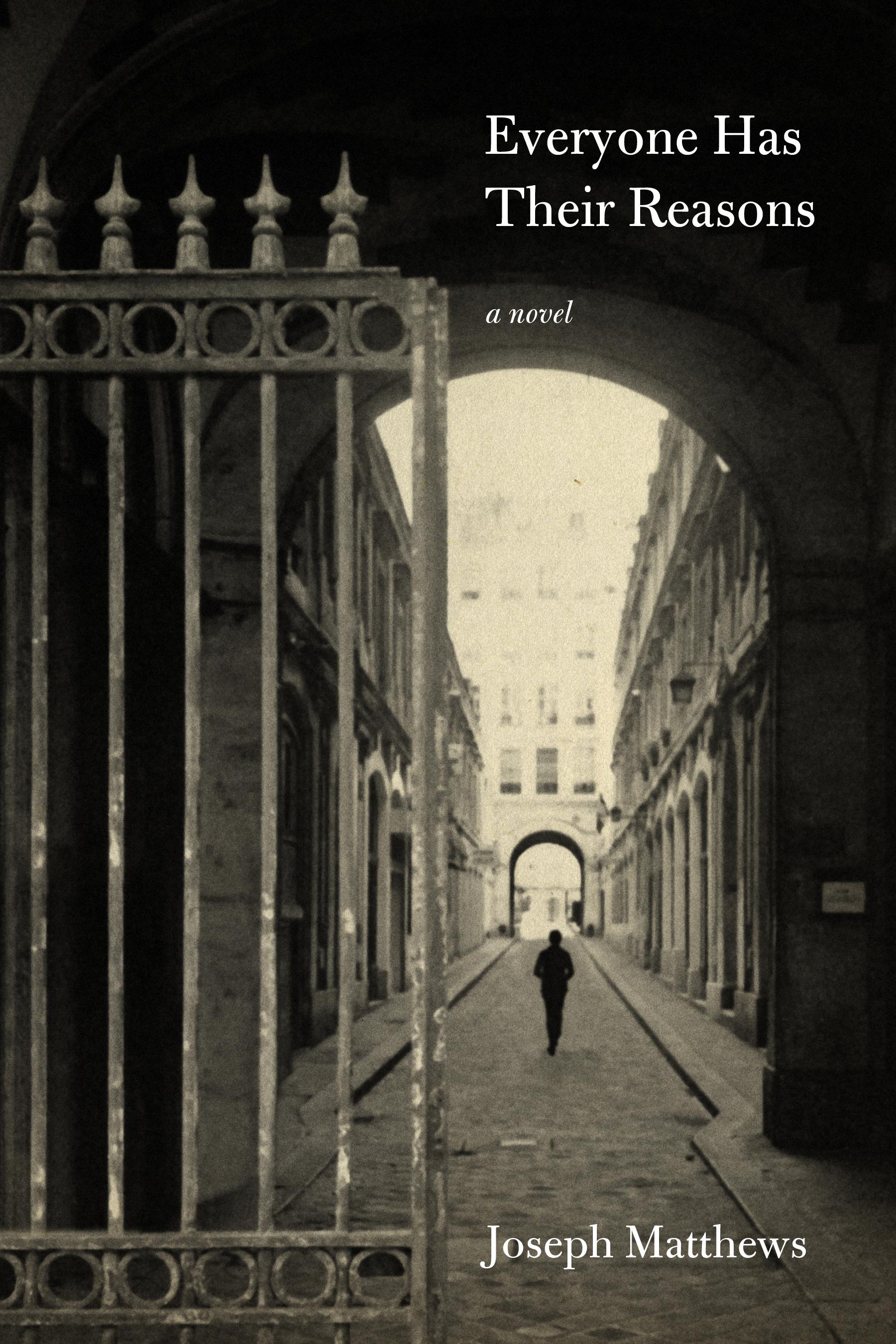
On November 7, 1938, a small, slight seventeen-year-old Polish-German Jew named Herschel Grynszpan entered the German embassy in Paris and shot dead a consular official. Three days later, in supposed response, Jews across Germany were beaten, imprisoned, and killed, their homes, shops, and synagogues smashed and burned—Kristallnacht, the Night of Broken Glass.
Based on the historical record and told through his “letters” from German prisons, the novel begins in 1936, when fifteen-year-old Herschel flees Germany. Penniless and alone, he makes it to Paris where he lives hand-to-mouth, his shadow existence mixing him with the starving and the wealthy, with hustlers, radicals, and seamy sides of Paris nightlife.
In 1938, the French state rejects refugee status for Herschel and orders him out of the country. With nowhere to go, and now sought by the police, he slips underground in immigrant east Paris.
Soon after, the Nazis round up all Polish Jews in Germany—including Herschel’s family—and dump them on the Poland border. Herschel’s response is to shoot the German official, then wait calmly for the French police.
June 1940, Herschel is still in prison awaiting trial when the Nazi army nears Paris. He is evacuated south to another jail but escapes into the countryside amid the chaos of millions of French fleeing the invasion. After an incredible month alone on the road, Herschel seeks protection at a prison in the far south of France. Two weeks later the French state hands him to the Gestapo.
The Nazis plan a big show trial, inviting the world press to Berlin for the spectacle, to demonstrate through Herschel that Jews had provoked the war. Except that Herschel throws a last-minute wrench in the plans, bringing the Nazi propaganda machine to a grinding halt. Hitler himself postpones the trial and orders that no decision be made about Herschel’s fate until the Führer personally gives an order—one way or another.
Before Memmo my notes were scattered across PDFs. Now a workspace pulls everything into one place — I see exactly what's still left to study.
Memmo's summaries are gold before exams. I don't have to re-read 800 pages two weeks before — just the important parts.
The AI chat has saved me the night before an exam more than once. I just keep asking until I get it — no waiting on a study group to reply.
The quizzes hit exactly what I need to know. Memmo tracks what I get stuck on — so I only practice what's worth it.
Flashcards with spaced repetition are magic. Memmo knows when I'm about to forget something and brings it back.
The AI podcasts are my favorite. I listen on my way to school and get a recap without sitting at a computer.

Handbok i kvalitativa metoder
281 kr

Hållbar utveckling: en introduktion för ingenjörer och andra problemlösare
334 kr

Brymans Samhällsvetenskapliga metoder
390 kr

Projektledning
491 kr

Den orättvisa hälsan: om socioekonomiska skillnader i hälsa och livslängd
326 kr

Organizational Leadership
429 kr

Vetenskapsteori för nybörjare
196 kr

På väg mot läraryrket
172 kr

Det sociala livet i skolan: Socialpsykologiska perspektiv
253 kr

Betygsättningens didaktik
151 kr

Personality
402 kr

Studying Leadership
404 kr

Managing Innovation
477 kr

Introduktion till samhällsvetenskaplig metod
347 kr

The Psychology of Sex and Gender
698 kr

Evidens och kunskap för socialt arbete
207 kr

Introduction to Leadership
605 kr