
Before Memmo my notes were scattered across PDFs. Now a workspace pulls everything into one place — I see exactly what's still left to study.
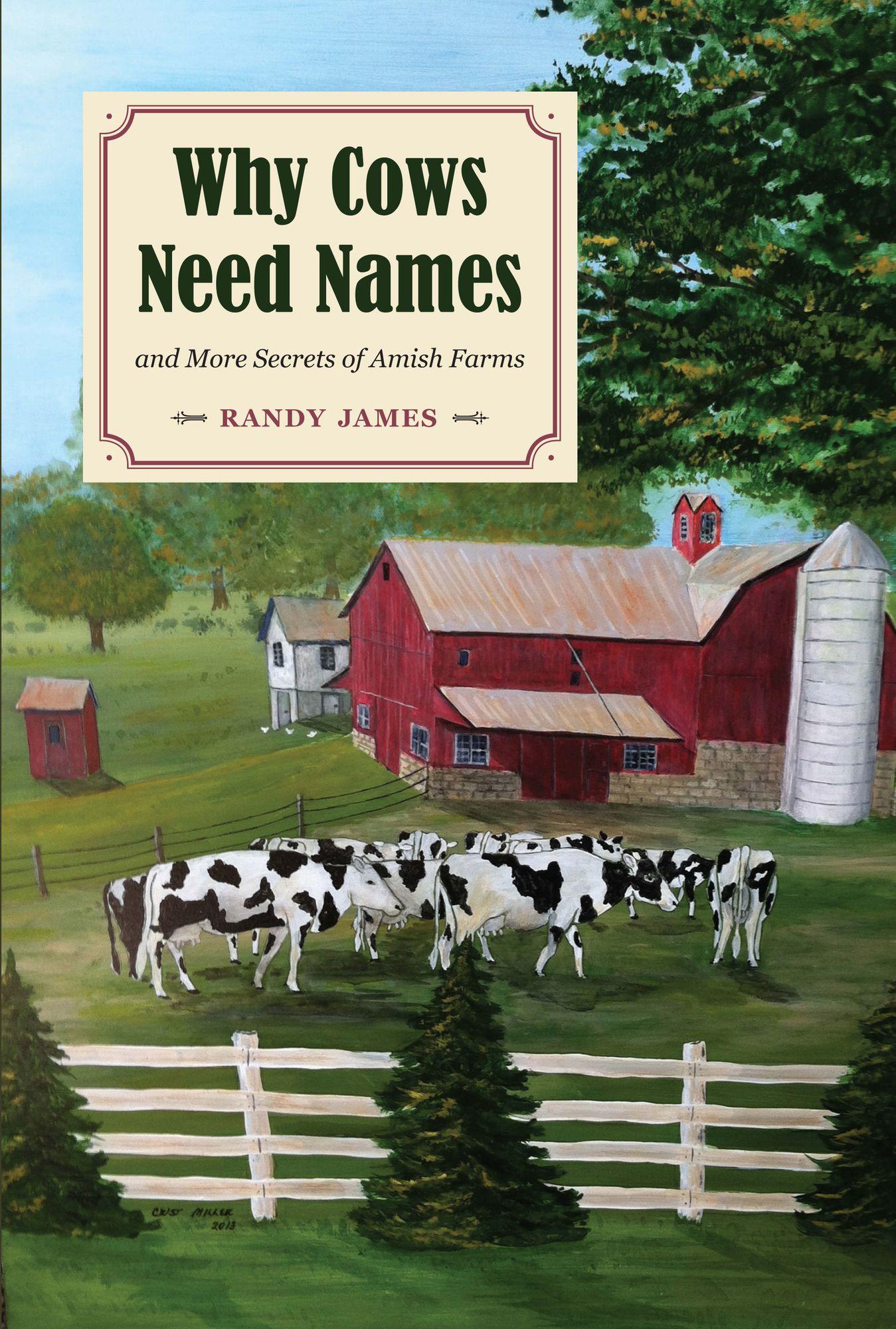
An inspiring glimpse into the struggles of a young Amish farm family
Agriculture continues to be the largest industry in the United States with over 2.2 million farms. Amazingly, well over 100,000 new small family farms have sprung up in the past few years . . . and almost no one noticed.
Why Cows Need Names follows one young Amish family as they dream about and then struggle to establish a profitable and quintessentially American small farm. The story starts with Eli Gingerich’s first timid phone call to author Randy James, the county agricultural agent in Ohio’s Geauga Amish Settlement—the fourth-largest Amish settlement in the world—and traces the family’s progress over the next five years. Through gentle dialogue and true stories, James captures the challenges of creating a simple business plan that will lead to the family’s radiant success or dismal failure. As the narrative unfolds, readers get a rare glimpse into what it’s like to work in the fields with draft horses; in the barn with cows, calves, children, and Chip the family dog; or to sit at the table talking with family and friends over a noontime meal. A picture emerges of how quietly living a shared goal and “doing without” during hard times can strengthen families and provide an appreciation for what is truly important in life.
In addition to the business aspects and day-to-day farm activities, James interweaves commentary on our complex relationships with animals. The stark differences in the way animals are treated and valued in agribusinesses versus on small family farms is a recurring theme, as is debunking the myth that bigger is always better in American agriculture.
Surrounded by a factory-farm world, the Gingerich family employs a business model that flatly rejects the dogma of “economies of scale” and instead focuses on the diversity, flexibility, and efficiency that only a small family farm can capture. Why Cows Need Names provides a partial roadmap, not only for other small farms but for the many thousands of family businesses that are created each year and largely ignored in our national psyche. It will appeal to anyone interested in business management, our food supply, animal welfare, and Amish family life.
Before Memmo my notes were scattered across PDFs. Now a workspace pulls everything into one place — I see exactly what's still left to study.
Memmo's summaries are gold before exams. I don't have to re-read 800 pages two weeks before — just the important parts.
The AI chat has saved me the night before an exam more than once. I just keep asking until I get it — no waiting on a study group to reply.
The quizzes hit exactly what I need to know. Memmo tracks what I get stuck on — so I only practice what's worth it.
Flashcards with spaced repetition are magic. Memmo knows when I'm about to forget something and brings it back.
The AI podcasts are my favorite. I listen on my way to school and get a recap without sitting at a computer.

Handbok i kvalitativa metoder
281 kr

Hållbar utveckling: en introduktion för ingenjörer och andra problemlösare
334 kr

Brymans Samhällsvetenskapliga metoder
390 kr

Projektledning
491 kr

Den orättvisa hälsan: om socioekonomiska skillnader i hälsa och livslängd
326 kr

Organizational Leadership
429 kr

Vetenskapsteori för nybörjare
196 kr

På väg mot läraryrket
172 kr

Det sociala livet i skolan: Socialpsykologiska perspektiv
253 kr

Betygsättningens didaktik
151 kr

Personality
402 kr

Studying Leadership
404 kr

Managing Innovation
477 kr

Introduktion till samhällsvetenskaplig metod
347 kr

The Psychology of Sex and Gender
698 kr

Evidens och kunskap för socialt arbete
207 kr

Introduction to Leadership
605 kr