
Before Memmo my notes were scattered across PDFs. Now a workspace pulls everything into one place — I see exactly what's still left to study.
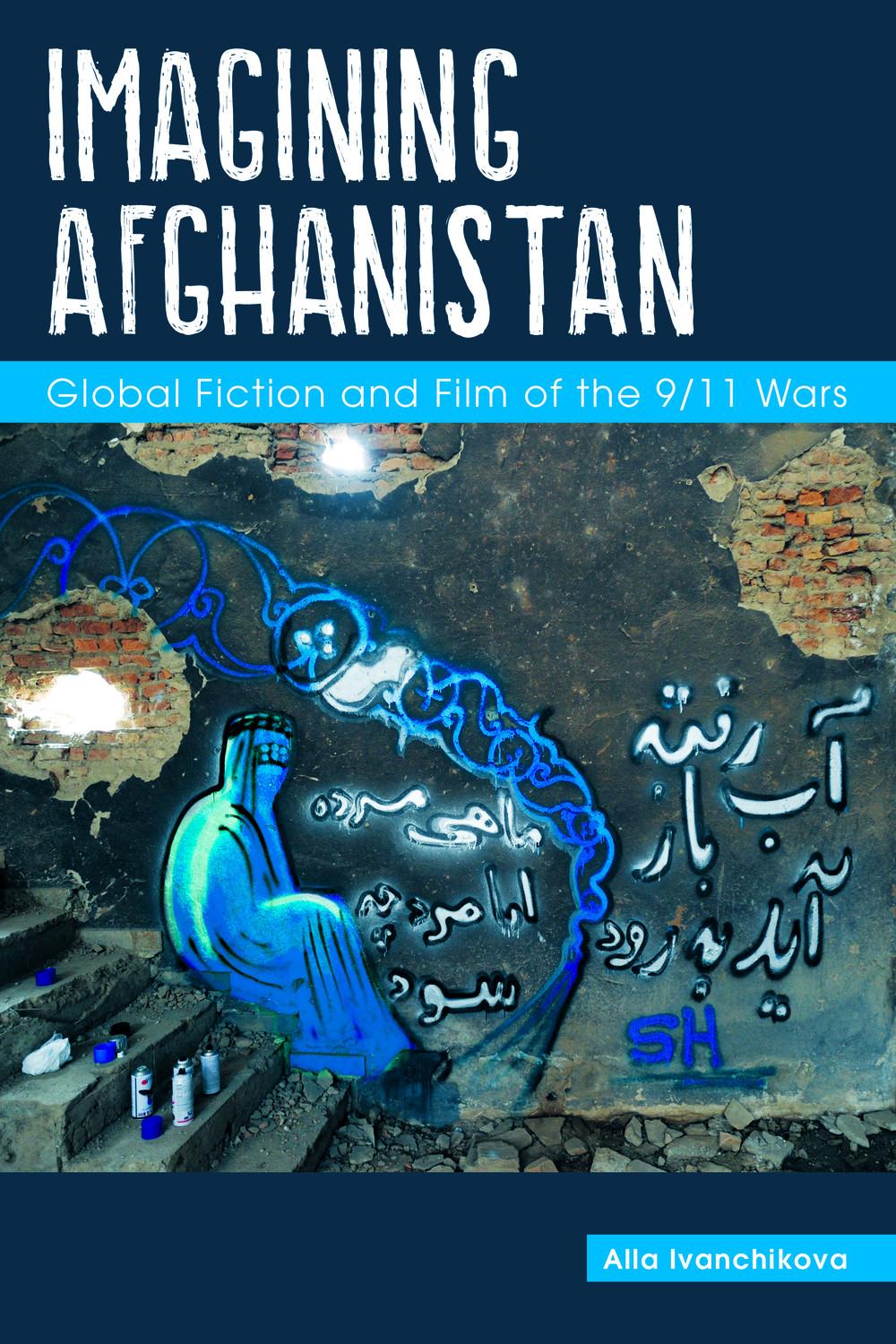
Imagining Afghanistan examines how Afghanistan has been imagined in literary and visual texts that were published after the 9/11 attacks and the subsequent U.S.-led invasion—the era that propelled Afghanistan into the center of global media visibility. Through an analysis of fiction, graphic novels, memoirs, drama, and film, the book demonstrates that writing and screening “Afghanistan” has become a conduit for understanding our shared post-9/11 condition. “Afghanistan” serves as a lens through which contemporary cultural producers contend with the moral ambiguities of twenty-first-century humanitarianism, interpret the legacy of the Cold War, debate the role of the U.S. in the rise of transnational terror, and grapple with the long-term impact of war on both human and nonhuman ecologies.
Post-9/11 global Afghanistan literary production remains largely NATO-centric insofar as it is marked by an uncritical investment in humanitarianism as an approach to Third World suffering and in anti-communism as an unquestioned premise. The book’s first half exposes how persisting anti-socialist biases—including anti-statist bias—not only shaped recent literary and visual texts on Afghanistan, resulting in a distorted portrayal of its tragic history, but also informed these texts’ reception by critics. In the book’s second half, the author examines cultural texts that challenge this limited horizon and forge alternative ways of representing traumatic histories. Captured by the author through the concepts of deep time, nonhuman witness, and war as a multispecies ecology, these new aesthetics bring readers a sophisticated portrait of Afghanistan as a rich multispecies habitat affected in dramatic ways by decades of war but not annihilated.
Before Memmo my notes were scattered across PDFs. Now a workspace pulls everything into one place — I see exactly what's still left to study.
Memmo's summaries are gold before exams. I don't have to re-read 800 pages two weeks before — just the important parts.
The AI chat has saved me the night before an exam more than once. I just keep asking until I get it — no waiting on a study group to reply.
The quizzes hit exactly what I need to know. Memmo tracks what I get stuck on — so I only practice what's worth it.
Flashcards with spaced repetition are magic. Memmo knows when I'm about to forget something and brings it back.
The AI podcasts are my favorite. I listen on my way to school and get a recap without sitting at a computer.

Handbok i kvalitativa metoder
281 kr

Hållbar utveckling: en introduktion för ingenjörer och andra problemlösare
334 kr

Brymans Samhällsvetenskapliga metoder
390 kr

Projektledning
491 kr

Den orättvisa hälsan: om socioekonomiska skillnader i hälsa och livslängd
326 kr

Organizational Leadership
429 kr

Vetenskapsteori för nybörjare
196 kr

På väg mot läraryrket
172 kr

Det sociala livet i skolan: Socialpsykologiska perspektiv
253 kr

Betygsättningens didaktik
151 kr

Personality
402 kr

Studying Leadership
404 kr

Managing Innovation
477 kr

Introduktion till samhällsvetenskaplig metod
347 kr

The Psychology of Sex and Gender
698 kr

Evidens och kunskap för socialt arbete
207 kr

Introduction to Leadership
605 kr